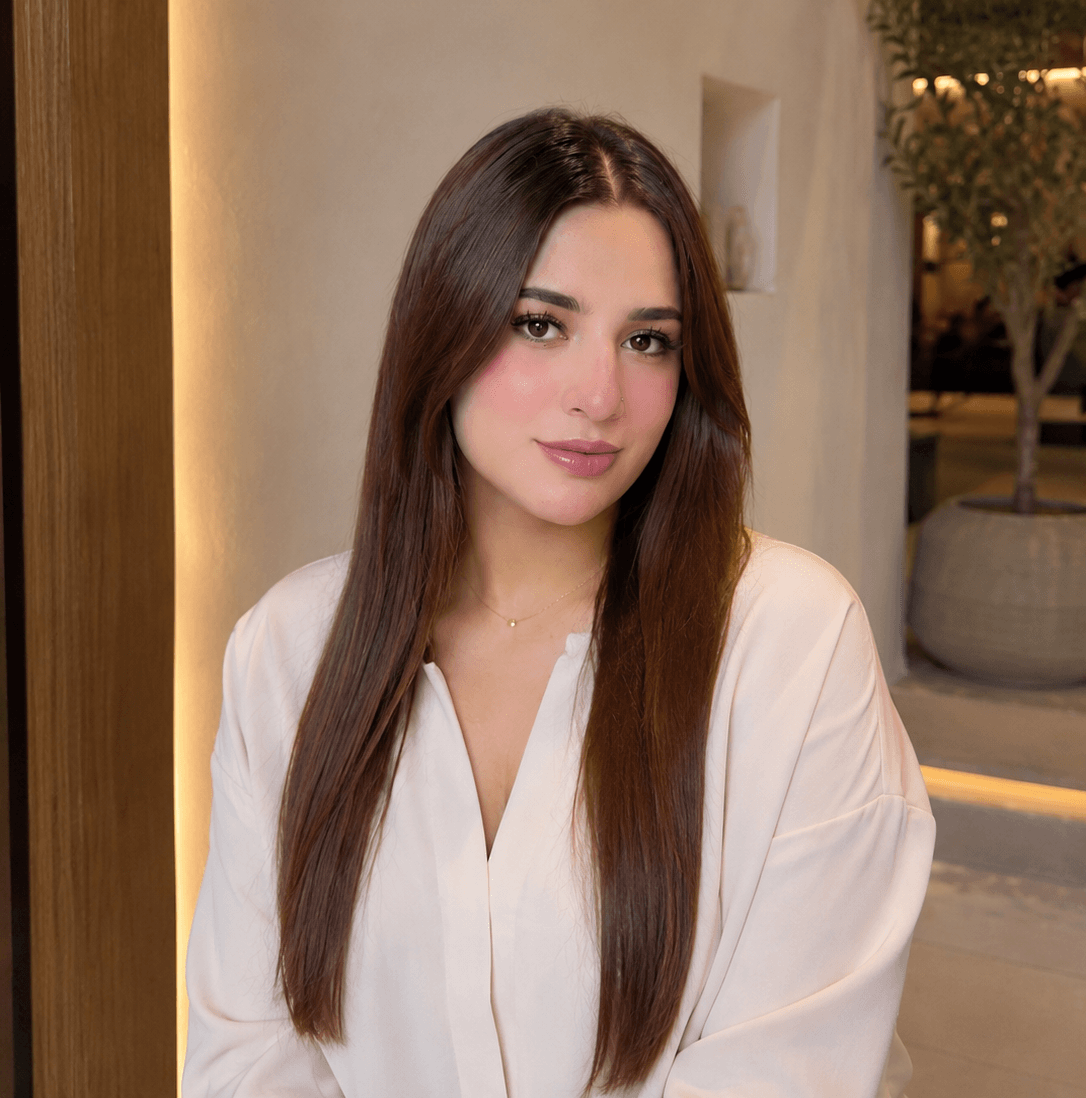
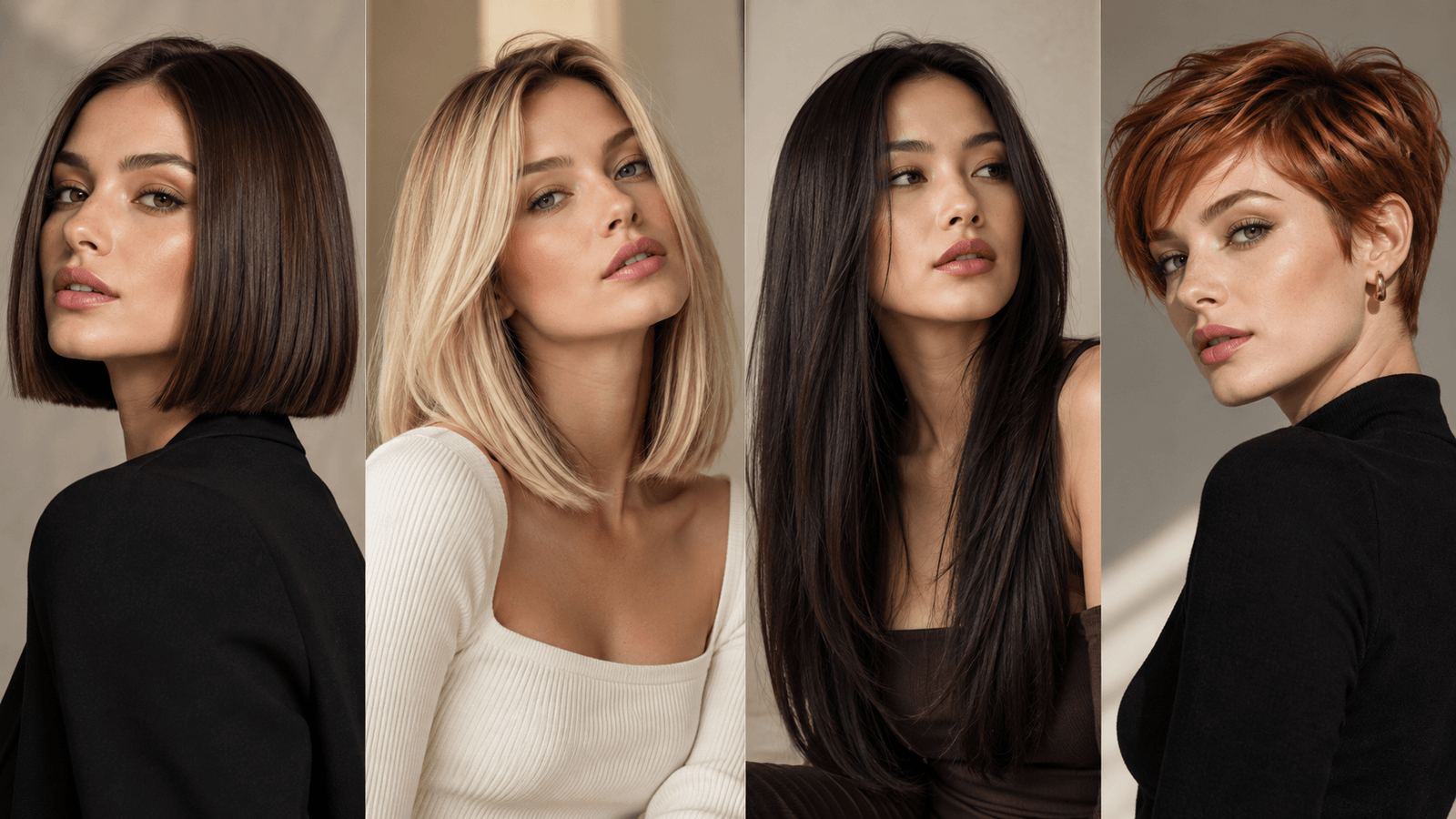
Straight hair has a mind of its own. It shows every line of a cut clearly, which means the right haircut can look stunning, and the wrong one can look flat or stringy.
The good news is that straight hair takes shape beautifully when it’s cut the right way, and it holds a blow-dry or style for longer than most other textures.
Below you’ll find 17 haircuts for Straight Hair that work with straight hair’s natural fall, from blunt bobs to long layered looks, plus a few tips on keeping it from looking too flat or too thin.
Table of Contents
- Why Straight Hair Needs a Different Approach
- Products and Tools That Help
- Cutting Tips to Avoid a Flat Look
- 17 Haircuts for Straight Hair
- FAQs
- Final Thoughts
Why Straight Hair Needs a Different Approach
Straight hair reflects light well. A clean cut can look very sharp.. This also means small cutting mistakes can be easy to notice. Uneven layers, ends, or too much thinning may stand out when straight hair lies flat.
Straight hair can also appear thinner than it really is because it does not have curls or waves to add extra body.
For this reason, many good cuts for straight hair keep the ends full or use light layers to add movement without taking away too much hair.
Products and Tools That Help
- A light mousse or spray helps to boost volume at the roots.
- A round brush is used to give more lift during blow-drying.
- A flat iron gives you a sleek finish when you want it.
- Dry shampoo or a texturizing spray works when your hair looks too flat.
- A heat protectant helps to protect your hair during heat styling.
Cutting Tips to Avoid a Flat Look
Ask your stylist to keep the ends blunt if you want your hair to look as full as possible. Too many layers or heavily thinned ends can make straight hair look less dense. If you want layers, go for long, soft ones instead of short, choppy layers that may stick out.
Regular trims every 8 to 10 weeks can help keep ends from making the hair look thinner. If your hair feels too heavy, ask your stylist about point-cutting at the ends of using heavy thinning shears. This can reduce some bulk without taking out much hair.
17 Haircuts for Straight Hair
1. Classic Blunt Bob
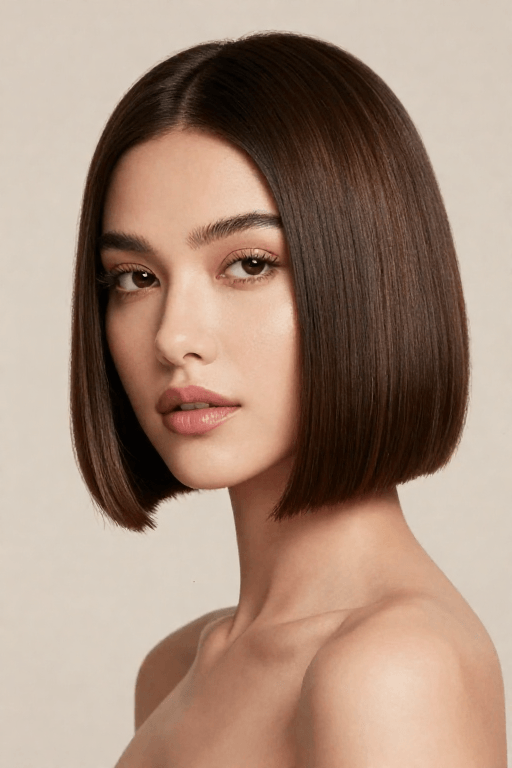
A blunt bob with a straight, clean edge is a great choice for straight hair. The strong edge can make the hair look fuller and help show off its natural shine.
Best for: Shoulder-length hair that needs a polished, low-maintenance look.
2. Long One-Length Cut
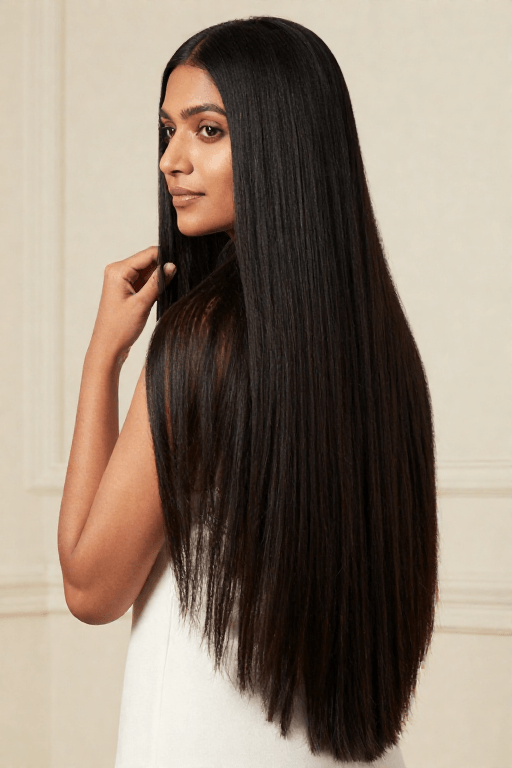
Keeping hair one length all the way down, with no layers, shows off straight hair’s natural sleekness. It’s simple, but it photographs beautifully.
Good to Know: This cut works best when you trim the ends regularly to avoid a stringy look.
3. Micro Bob (Chin-Length)
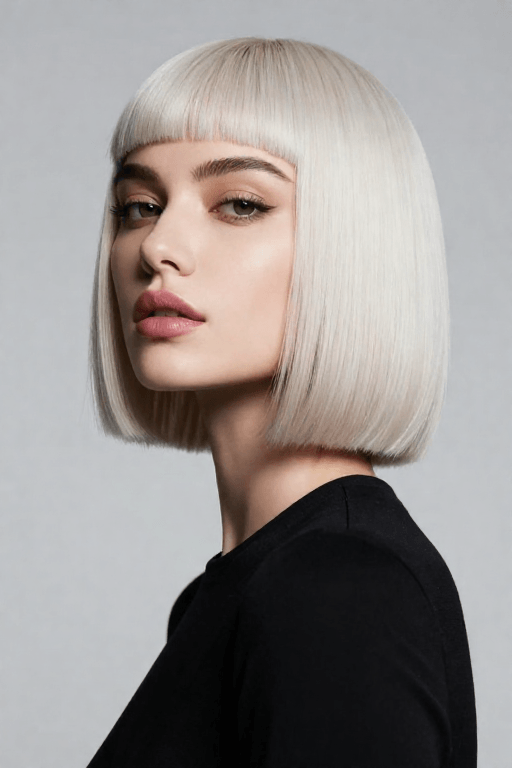
A short, chin-grazing bob gives straight hair a bold, graphic shape. It sits close to the jaw and moves as one solid piece.
Quick Tip: This length suits fine to medium hair best, since very thick hair can feel heavy this short.
4. Long Bob (Lob)
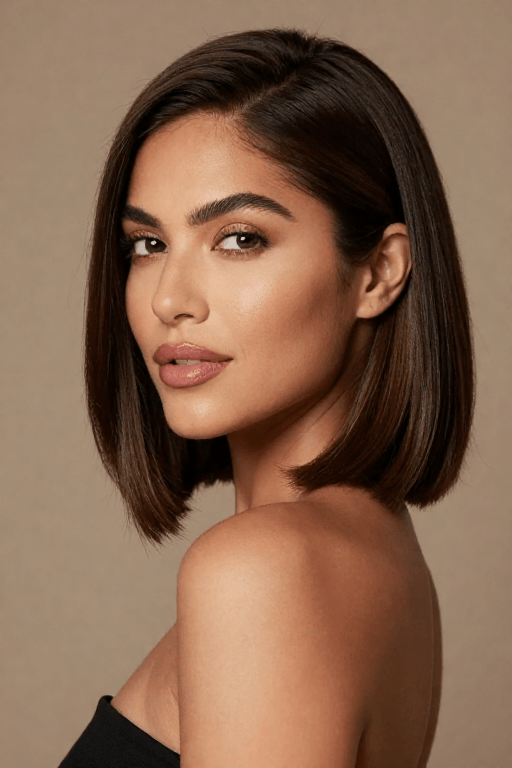
The lob sits between the chin and shoulders and is one of the most requested cuts for straight hair. It’s long enough to tuck behind the ears but short enough to look fresh.
Best For:Easy-care alternative to long hair without cutting it short.
5. A-Line Bob
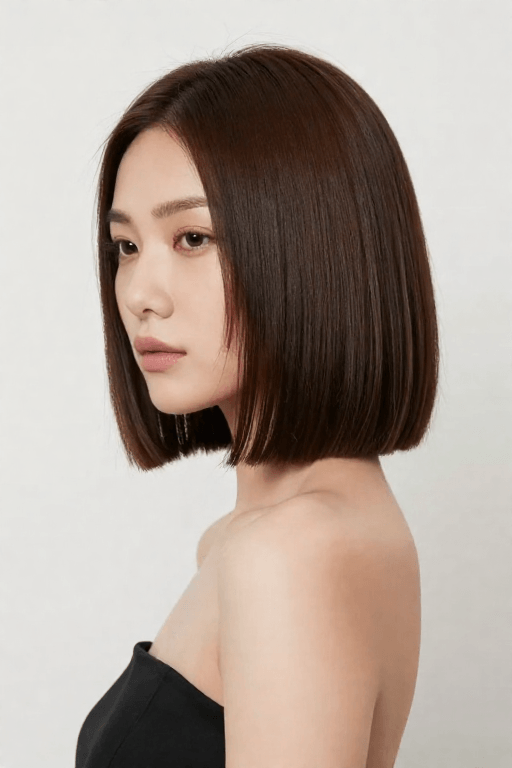
This bob is shorter in the back and gradually longer toward the front. The angle adds shape without needing heavy layers.
Good to Know: A-line bobs work especially well on straight hair because the angle stays crisp without curl to soften it.
6. Subtle Long Layers
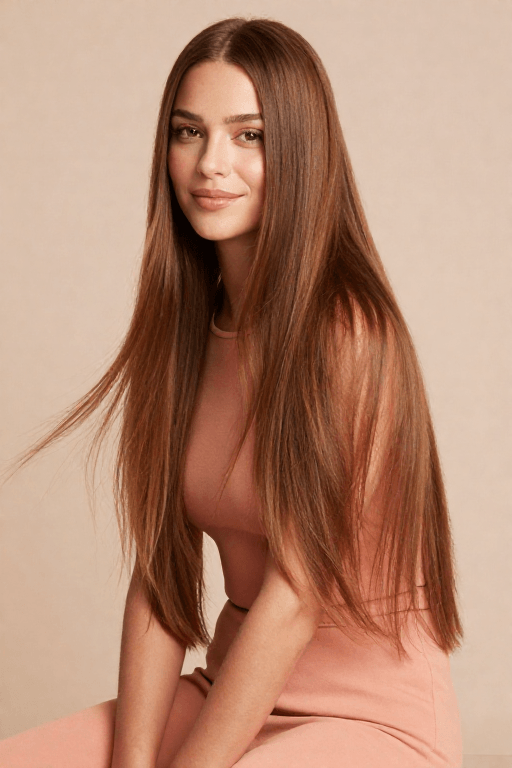
Soft, long layers cut a few inches apart add gentle movement to long straight hair, without stripping away fullness. The ends still look thick, just less blunt.
Quick Tip: Ask for layers to start below the chin so that the layers at the top stay full.
7. Face-Framing Curtain Layers
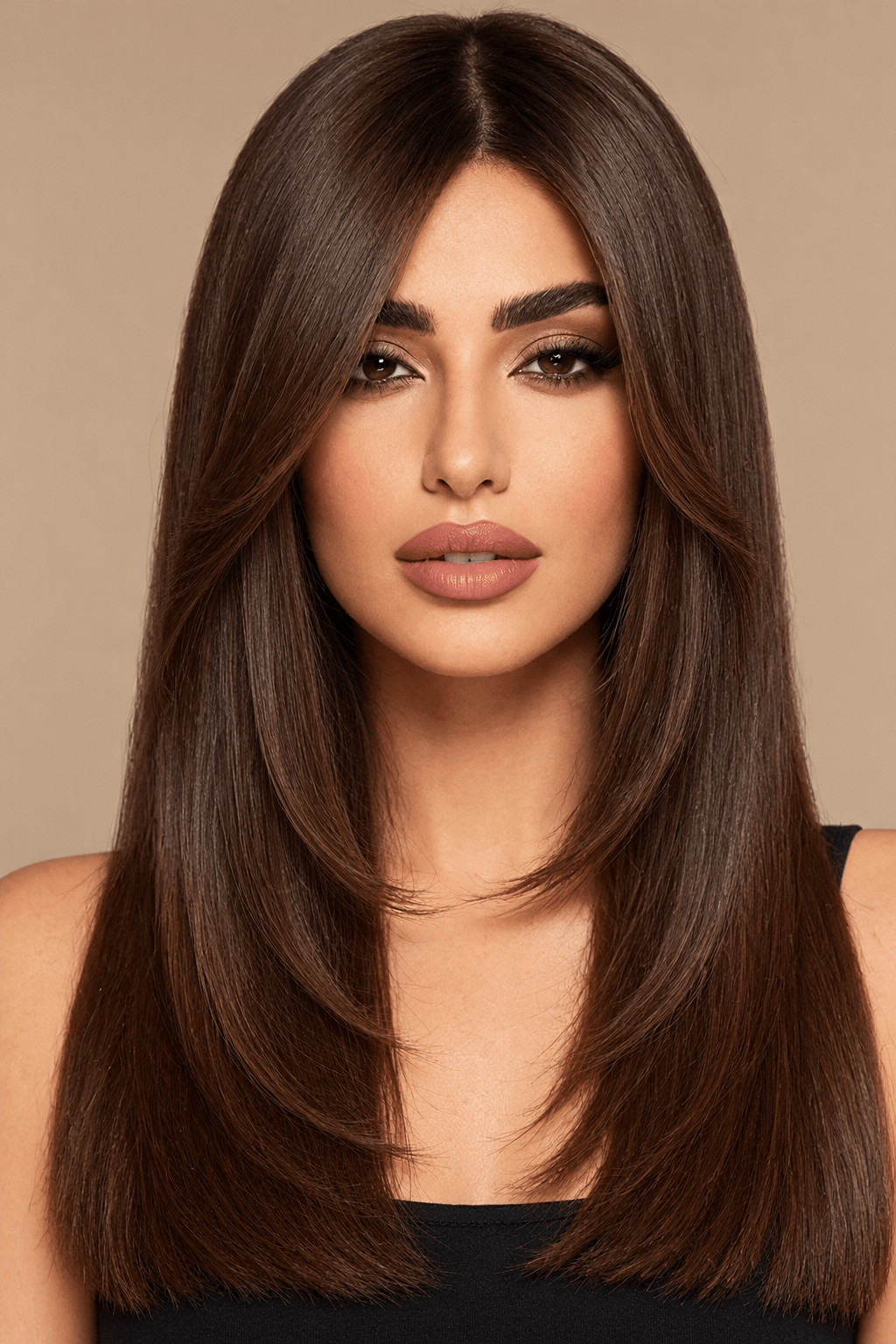
Long layers that sweep forward around the face soften sharp features and add movement to an otherwise straight, sleek cut.
This look often includes subtle layering through the ends for extra bounce, similar to the long, feathered layers you see in salon-finished looks.
Best for: Long hair that needs a softer frame around the face.
8. U-Shaped Layered Ends
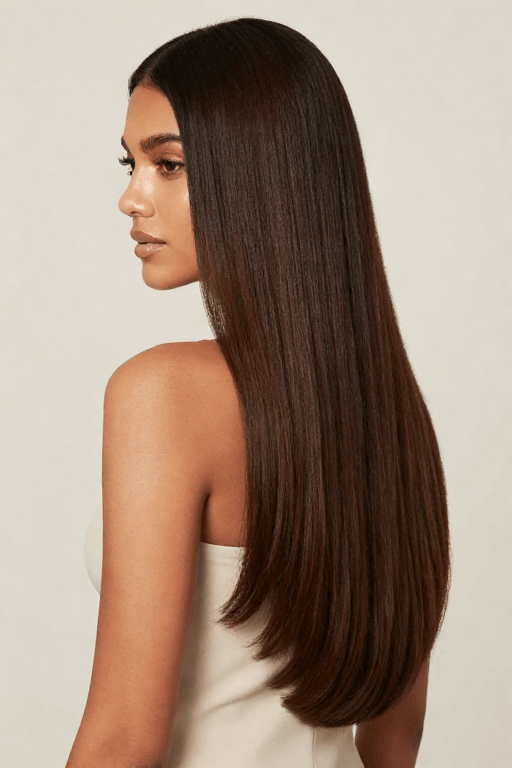
Instead of a blunt straight line, the ends are cut into a soft U shape, rounded rather than sharp. It gives a gentler finish than a blunt cut.
Good to Know: This shape is subtle, so it works well if you want movement without obvious layers.
9. Precision Square-Cut Ends
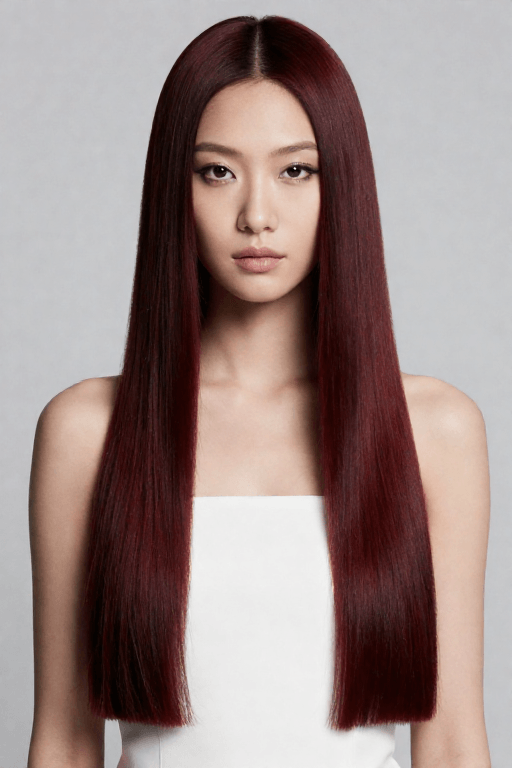
A sharp, geometric line at the ends gives straight hair a modern, editorial look. It’s bolder than a standard blunt cut.
Quick Tip: This style needs trims to keep the style’s sharp edge looking crisp.
10. Thick Straight Hair Layered Cut
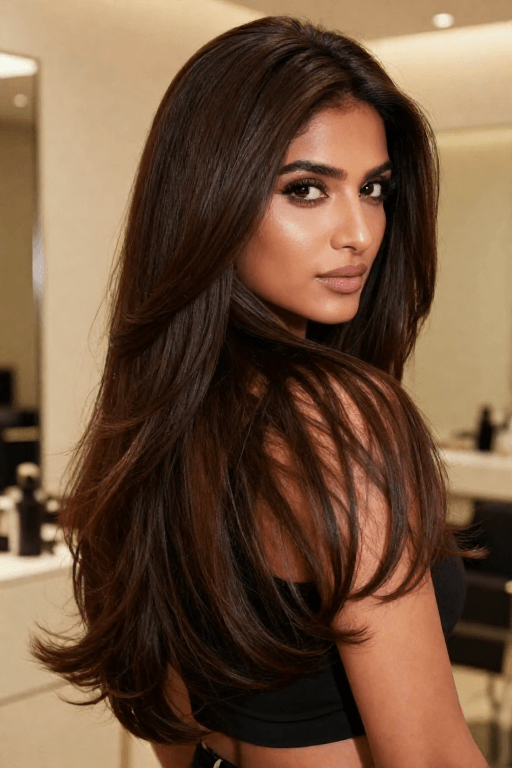
Thick, straight hair can carry more layering without losing fullness.
Long layers remove bulk from the length while keeping the overall shape full and manageable.
Best for: Hair that feels heavy or hard to style at one length.
11. Blunt Pixie Cut
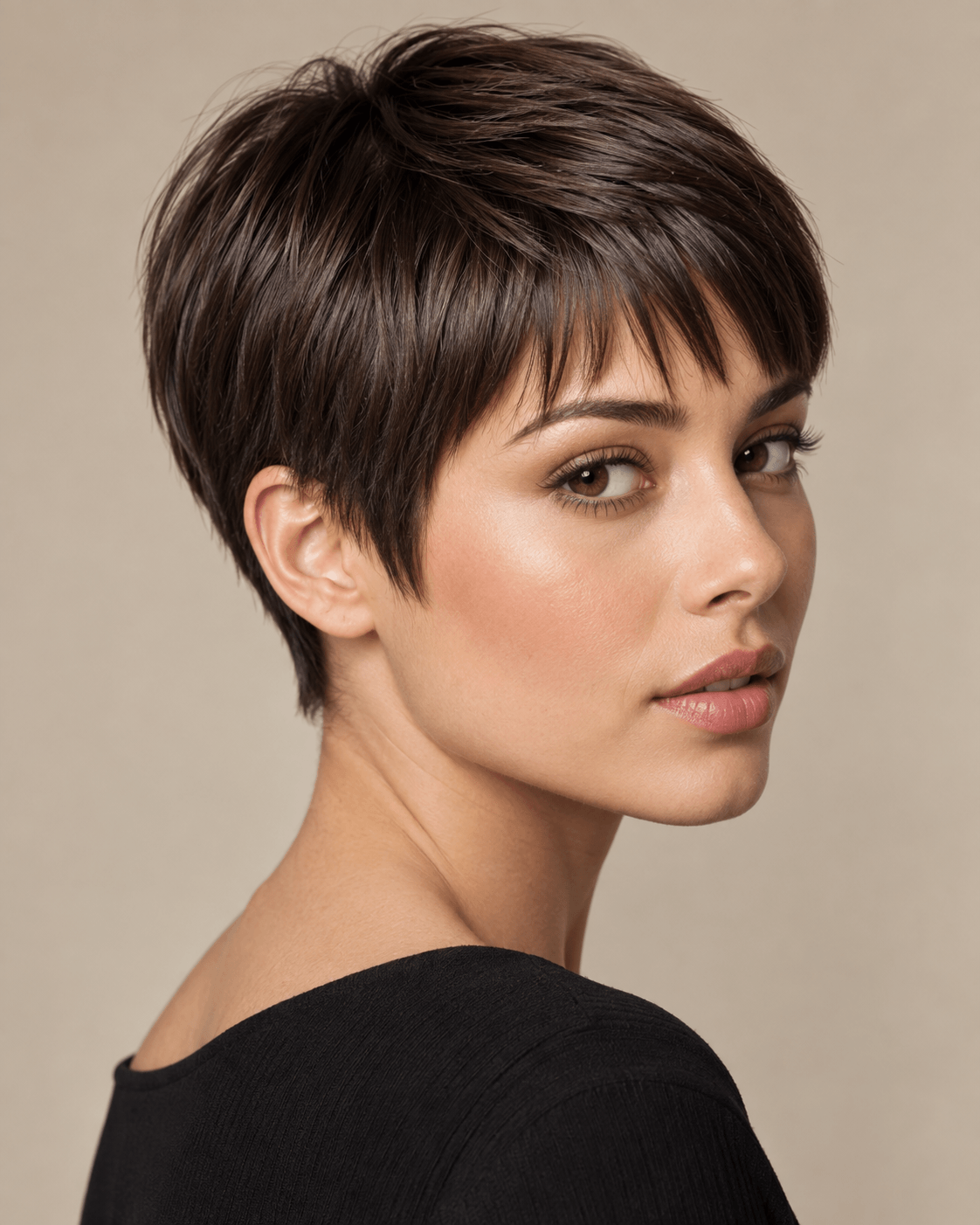
A pixie cut on straight hair looks especially sharp, since every angle of the cut shows clearly.
Quick Tip: Straight hair pixies often need a little texturizing product to avoid looking too flat on top.
12. Sleek Shag for Straight Hair
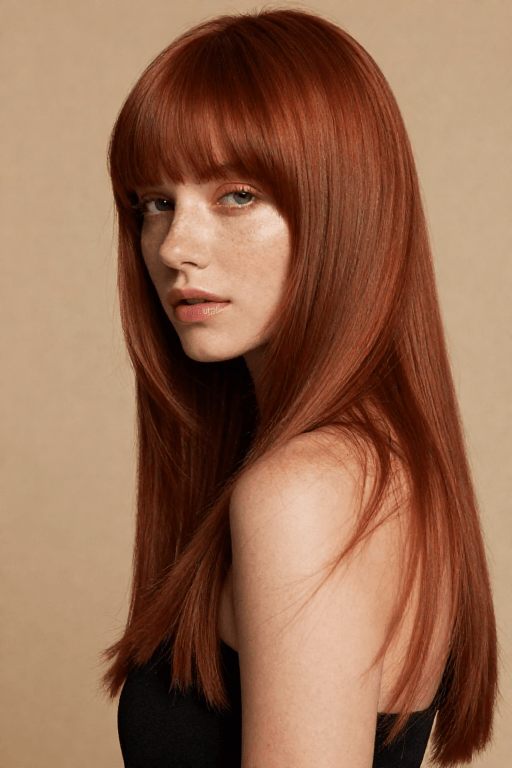
A shag cut on straight hair trades its usual tousled texture for a sleeker, more polished version, while keeping the layered silhouette.
For the full range of shag styles, see our shag haircut guide.
Good to Know: This version needs a flat iron rather than a curling wand to keep the sleek finish.
13. Wolf Cut for Straight Hair
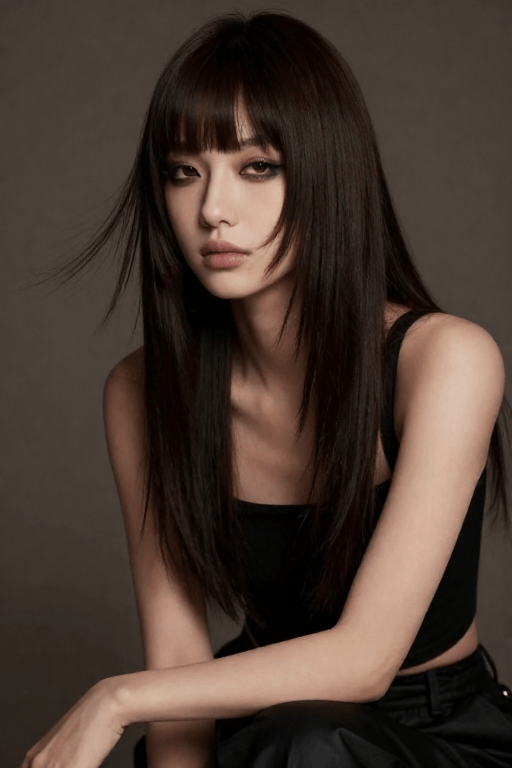
The wolf cut’s choppy, mullet-inspired layers look a little different on straight hair, sharper and more defined than on wavy or curly textures. Our wolf haircut guide covers the full technique.
Quick Tip: Ask your stylist to texturize the ends more heavily, since straight hair won’t add texture on its own.
14. Color-Enhanced Layers
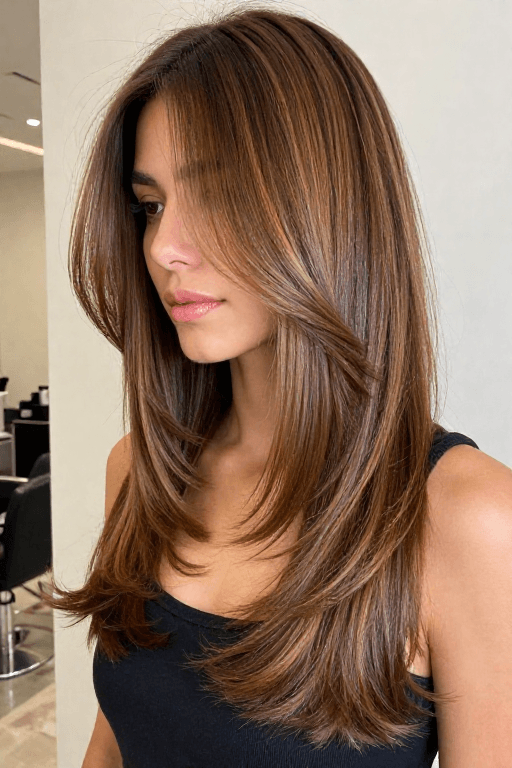
Subtle color, like a soft balayage, can make layers in straight hair more visible by adding contrast between sections.
For more hair color inspiration, see our hair color ideas guide.
Good to Know: Darker straight hair tends to show balayage more subtly than lighter bases.
15. Graduated Layers for Crown Volume
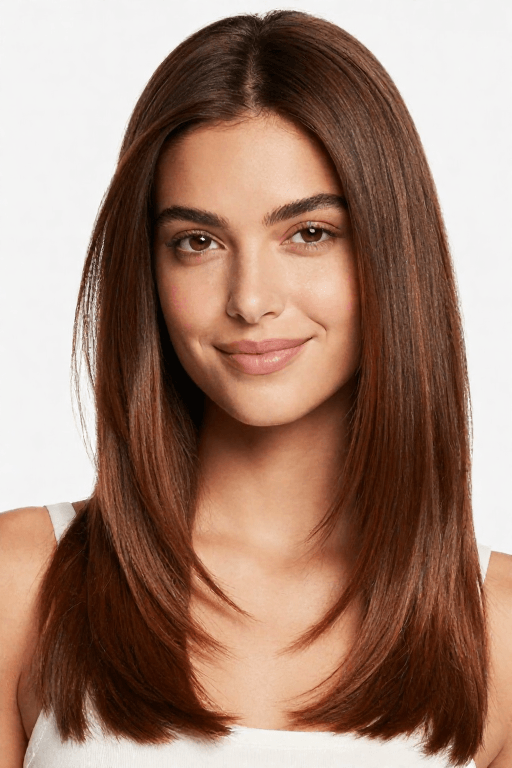
Shorter layers cut through the crown add lift right at the root, which helps counter straight hair’s tendency to lie flat. The length underneath stays fuller.
Quick Tip: Pair this cut with root-lifting mousse for extra volume.
16. Choppy Ends for Texture
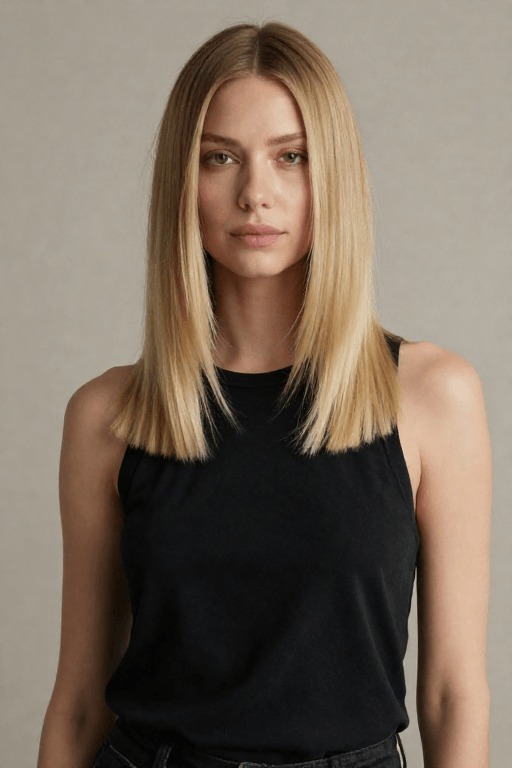
Slightly textured, razored ends break up the uniform line of straight hair without full layering. It adds a bit of edge to an otherwise sleek cut.
Good to Know: This works best on medium to thick hair, since razoring can thin out fine hair too much.
17. Blunt Long Layers with Soft V-Back
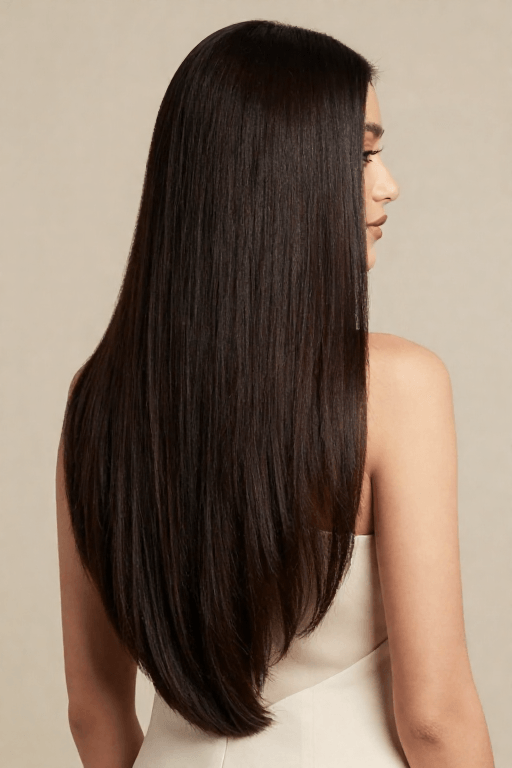
Long layers paired with a gently V-shaped back hem give the hair a soft point instead of a flat line. It’s a subtle way to add shape to very long straight hair.
Quick Tip:Keep the V subtle if you want to keep much blunt fullness as possible.
Frequently Asked Questions
Final Thoughts
Straight hair rewards a clean, well-planned cut more than almost any other texture. Whether you want a sharp, blunt bob or soft, face-framing layers, the key is matching the cut to how much fullness or movement you actually want. Bring a clear photo to your next appointment, and don’t be afraid to ask your stylist how the cut will look once it’s dry and styled.