What Is My Undertone? Find Out in 2 Minutes
Seven questions on your veins, your jewelry, your sun reaction and the way foundation goes wrong on you. You get warm, cool, neutral or olive, with the colors, metals, hair shades and nail shades that match.
Your skin tone is how light or deep you are. Your undertone is the color sitting under the surface, and it never changes. It is the reason one foundation turns orange on you and another looks gray, even when both say they match your shade.
This test asks seven questions. It checks your veins, your jewelry, your sun reaction and the way foundation goes wrong on you. Then it gives you warm, cool, neutral or olive, plus the colors, metals, hair shades and nail shades that go with it.
Skin tone and undertone are not the same thing
Skin tone sits on the surface. It changes with the seasons, with a tan, with how much sleep you got. Undertone sits under it and stays the same your whole life.
There are four groups. Warm skin has a golden or peachy cast. Cool skin has a pink, red or blue cast. Neutral skin sits in the middle with no strong pull either way. Olive skin has a green or gray-green cast over a warm or neutral base.
Every skin depth contains all four. Very fair skin can be warm. Deep brown skin can be cool. Depth and undertone are two separate things, and mixing them up is the most common reason people buy the wrong foundation.
Five tests you can do at home
1. The vein test. Turn your wrist over in daylight. Blue or purple veins point to cool. Green veins point to warm. A mix points to neutral.
2. The jewelry test. Hold silver against your bare face, then gold. Look at your skin, not the metal. The right one makes your face look clearer. The wrong one makes the shadows under your eyes stand out.
3. The white and cream test. Hold a pure white shirt under your chin, then a warm cream one. Cool skin looks crisp in white. Warm skin looks healthy in cream. If both make you look slightly green, you are probably olive.
4. The sun test. Think about a long day outside with no sunscreen. Skin that burns and stays pink is usually cool. Skin that tans golden is usually warm.
5. The foundation test. This one is the most useful, because you have already run it by accident. Foundation that turns orange on you means your skin is cooler than the shade. Foundation that looks gray or ashy means your skin is warmer than the shade. Foundation that matches your face but not your neck usually means olive.
Do all five in daylight, near a window, with a bare face. Bathroom bulbs and store lighting both push the result the wrong way.
Why olive skin gets missed so often
Olive is the undertone that counters get wrong. The green cast sits over a warm or neutral base, so half the tests come back warm and half come back unclear.
Two signs give it away. First, foundations look fine on your face and wrong on your neck. Second, shades go slightly gray or muddy an hour after you put them on. If that is you, look for shades labeled olive, O, or neutral-warm, and always test on your jaw and neck instead of your hand.
How to use your undertone
Clothes. Wear your undertone near your face. Warm skin looks best in cream, camel, coral and olive. Cool skin looks best in pure white, navy, berry and emerald. Neutral skin can wear both, so pick by how light or dark the color is. Olive skin does well in khaki, rust and teal.
Makeup. Most brands code their shades. W means warm, C means cool, N means neutral, and some now add O for olive. Once you know your letter, you can skip two-thirds of the shade range.
Hair. Warm undertones suit golden, honey and copper shades. Cool undertones suit ash, mushroom and espresso. Olive suits warm brunette better than very ashy tones, which can make the skin look tired.
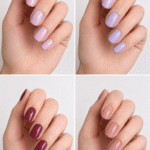
Nails. The same rule works on your hands. Warm undertones look best in coral, brick and warm nudes. Cool undertones look best in berry, blue-red and cool pinks. Our full guide to nail colors for your skin tone has the shade lists.
Three mistakes to avoid
Testing with makeup on. Foundation is built to correct your undertone, so you end up testing the makeup instead of your skin.
Testing on your hand. Hands are darker and more sun-damaged than the rest of you. Test on the jaw, and check it against your neck.
Thinking one test is enough. Any single test can mislead you. Two or three that agree is what you want, and that is how this quiz scores your answers.
Frequently Asked Questions
Keep going: your undertone is step one of a full color analysis, which adds depth and contrast and gives you a 12-shade palette. For your hands, see nail colors for your skin tone.