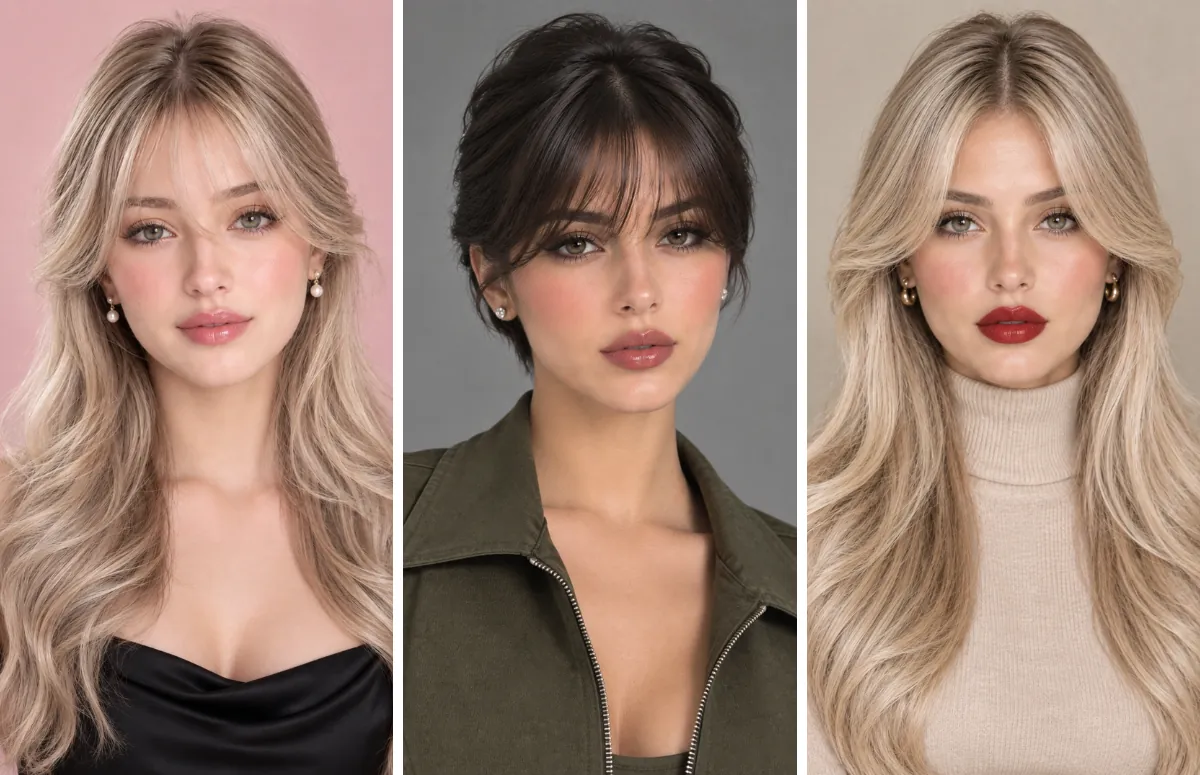
Curtain bangs are a hairstyle that keeps coming into fashion. They are cut to fall in the middle and swept to the sides away from the face. This style creates a frame around the eyes and cheeks. Unlike a fringe curtain bangs don’t cover the entire forehead making them feel like a more gentle change.
Another reason people love curtain bangs is their flexibility. They can be worn long, short, wispy, full, straight, wavy, or curly, and they can also be blended into layers as they grow.
In this guide you will learn how to choose curtain bangs for your face shape, style curtain bangs at home, and deal with the growing-out stage. Then you can explore 20 ways to wear curtain bangs.
Find your curtain bangs in 10 seconds
i Tap any category below to find your style
Which Face Shapes Suit Curtain Bangs?
I find curtain bangs can work with any face shape. The main difference is how long, thick, or soft they are cut.
Round Face
If your face shape is rounded, it is a good idea to keep your curtain bangs a little longer. This way, they can rest on your cheekbones, close to your jaw. This is better than cutting them short at the forehead.
That way, the bangs will gently frame your face and help balance it out. The frame prevents them from being too heavy.
If you want more ideas for bangs that suit a round face, see our bangs for round faces guide.
Oval Face
Oval-shaped faces give you plenty of space to try different curtain-bang lengths. Whether you go for short, long, wispy, or full curtain bangs is all dependent on what you prefer.
Square Face
Soft curtain bangs can help soften a strong jawline. Rather than having a very hard line, request that your stylist texture the ends.
Pieces that fall around the cheekbones will soften the style while still allowing the face to maintain its structure.
Heart-Shaped Face
A heart-shaped face is typically wider near the forehead and narrower near the chin. Longer and fuller curtain bangs can help make the heart-shaped face look more balanced.
A bit more fullness around the sides of the forehead and temples can work well.
Long Face
If your face is long from your forehead to your chin, curtain bangs that are wider at the forehead can help break up the elongated look.
Thick bangs are not necessary. Medium-length bangs with sides will do just fine.
These are simply starting points, not rules. Your stylist can change the length, starting point, and thickness so that curtain bangs will suit your features.
How to Style Curtain Bangs
Curtain bangs can be fairly easy to style once your hair learns where to sit. The trick is to shape them while they are slightly damp.
Start With Damp Hair
Don’t wait for the bangs to dry totally. It is much easier to style damp bangs than totally dry ones.
Make a parting line in the middle of the bangs. Separate each part before styling.
Use a Round Brush
Proceeding with one side of the fringe, guide the hair away from the face using a brush. Dry the hair from the roots to the tips.
The process should be repeated for the other side of the bangs.
Curl is not the desired outcome. The aim is to achieve a soft bend with ends moving outward.
Keep Products Light
Curtain bangs can lose their shape if too much product is used. They need a small amount of light mousse or texturizing spray.
I have seen how heavy gel, pomade, or thick styling creams can make hair stick together and look flat.
Refresh Them Between Washes
It is not always necessary to wash your hair when you want to style your bangs.
A simple blow-drying or using a small brush will help you regain the form of your bangs.
A little dry shampoo at the roots can help if your hair has become oily.
Interestingly, curtain bangs can sometimes behave better on the second day. A small amount of natural oil gives the hair some grip, which can help the shape stay in place.
Growing Out Curtain Bangs
Bangs growing out can be a part of the process as well. In most cases, there comes a point where the bangs become too long to be considered new bangs, yet short enough to be considered as the rest of the hair. There are just a few tricks that can simplify this process.
Keep the Ends Neat
When your hair becomes very thin or uneven at the tips, a slight trim will help improve its appearance.
If you are trying to maintain your length, I understand you would not want to cut too much off. Even a slight trim will help.
Try Clips and Pins
Bobby pins and small clips may be helpful when the bangs grow in length.
Sweep the bangs to one side. Tuck them with a pin. Combine the bangs with the rest of your hair. You will get an opportunity to change the hairstyle without growing new hair.
Ask for a Blended Trim
If the bangs are growing out, tell your stylist that your goal is to keep the length.
A blended trim can soften the ends and connect them with the rest of your haircut. It is better than cutting a new bang shape when you are trying to grow them out.
Give Them Time
Hair does not grow overnight. For people, it can take several months before the bangs blend naturally into the rest of the haircut.
The exact time depends on your hair growth rate and how long your bangs were when you started growing them out.
20 Curtain Bang Styles to Try
1. Long Curtain Bangs
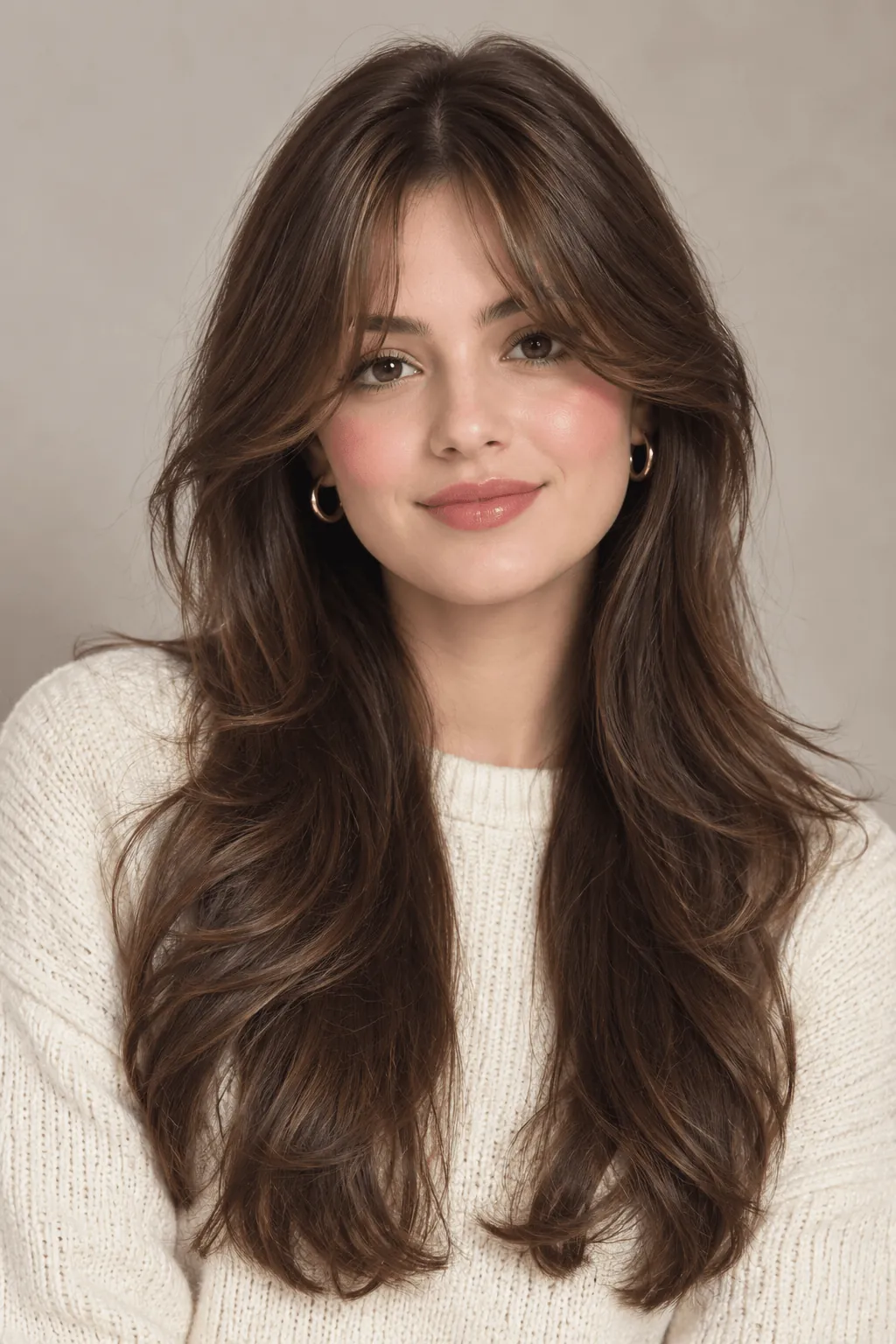
Long curtain bangs are a great option if you desire a new shape without drastically changing your haircut.
The pieces of curtain bangs usually fall past the cheekbones and may reach toward the chin. Because curtain bangs are longer, you can easily tuck them behind your ears or blend them into the rest of your hair.
Try This If: You want face-framing bangs but prefer a change.
2. Short Curtain Bangs
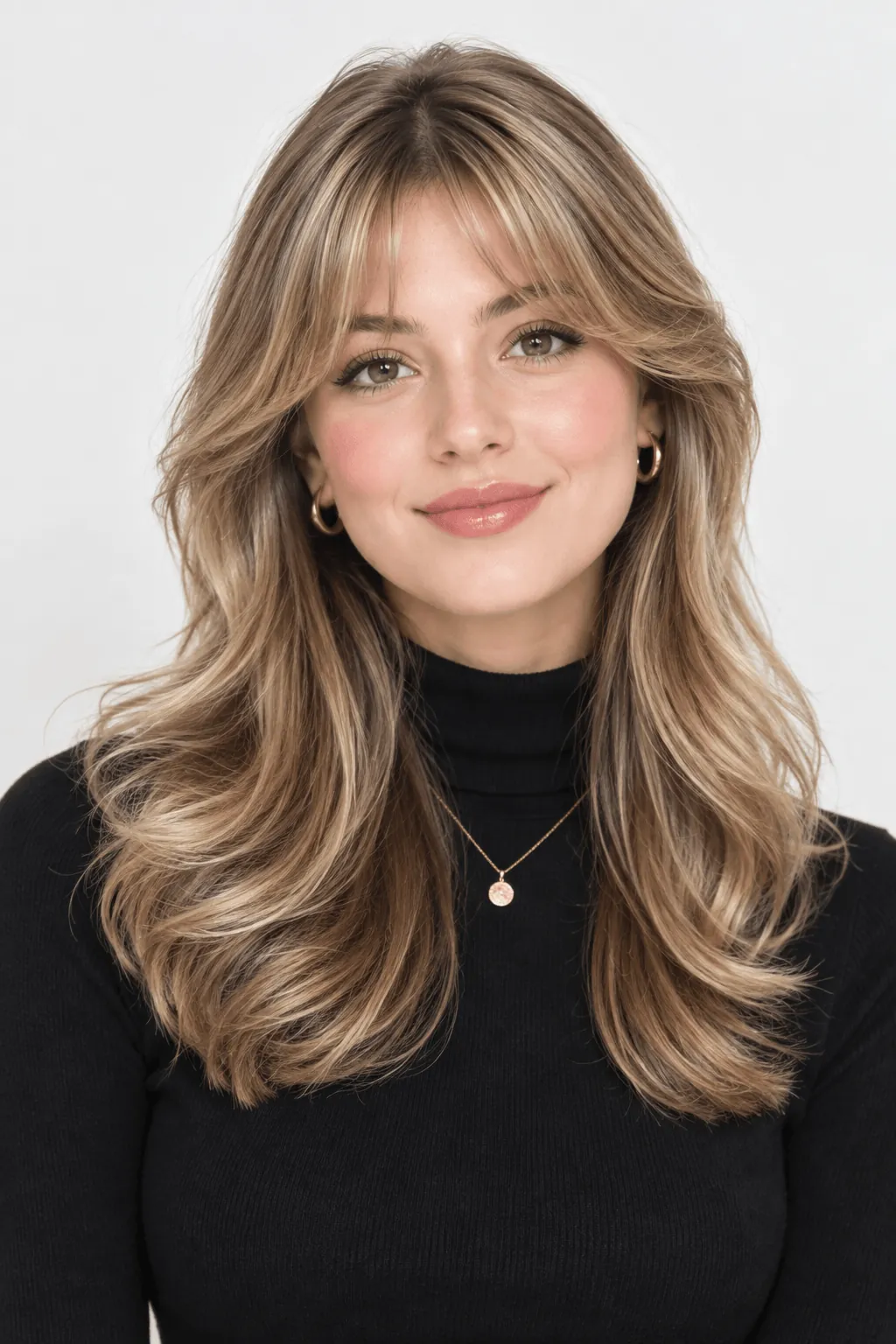
Short bangs make the hairstyle look more youthful.
They are worn high up on the forehead but open at the center. This is because you have less length to work with.
Keep in Mind: Small changes in length can quickly change how short bangs sit.
3. Curtain Bangs With Layers
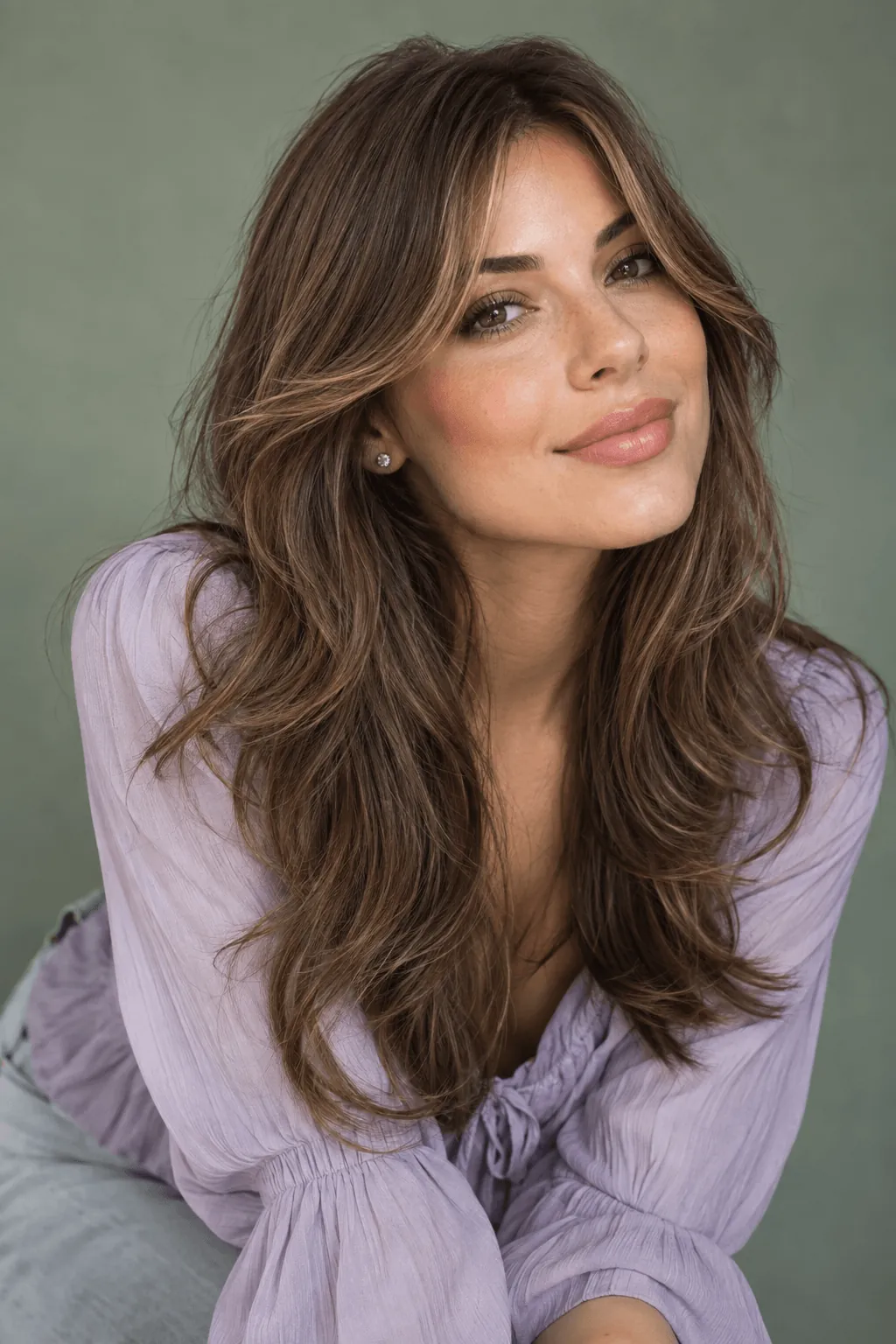
Layered curtain bangs have softer ends than bangs.
They are styled in such a way that they seamlessly fit within the style of the rest of your hair.
Layered curtain bangs can give volume to the front section of the hair.
Style Tip: If you want softer edges, speak with your stylist about adding texture to the ends of layered curtain bangs.
4. Wispy Curtain Bangs
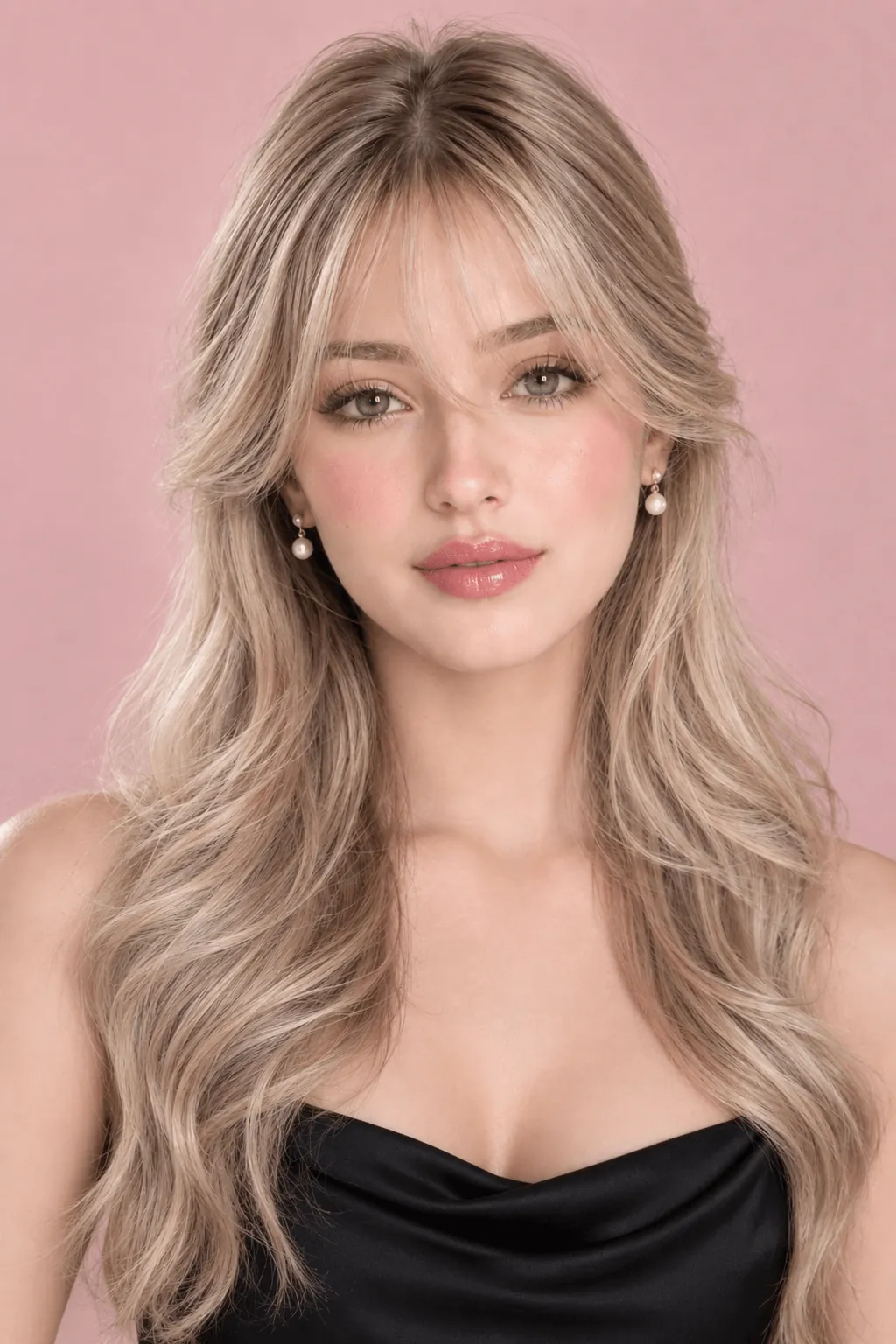
For wispy curtain bangs, there will be fewer strands used, especially near the face.
They create a curtain-bang look without having to make a fringe. It is a good choice for those who want a light hairstyle.
Good to Know: Fine hair also works well because the fringe will not have to be very thick.
5. Curtain Bangs on Wavy Hair
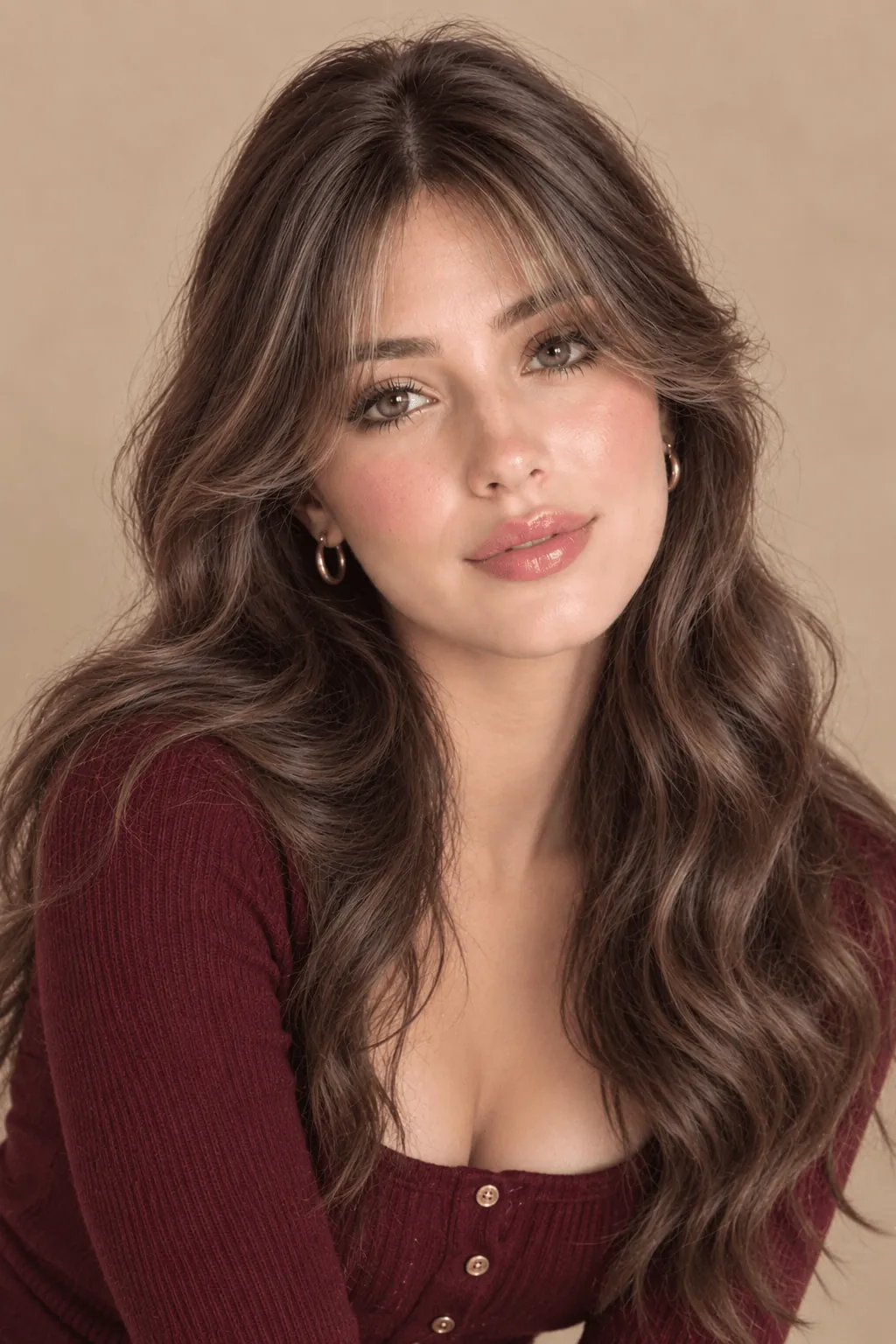
Wavy hair provides an effortless, relaxed appearance for curtain bangs.
This is due to the movement in the hair, which adds to the style. It can be either air-dried naturally or styled with styling products.
Style Tip: A small amount of sea salt spray can help enhance the wave, but avoid using too much if your hair tends to feel dry.
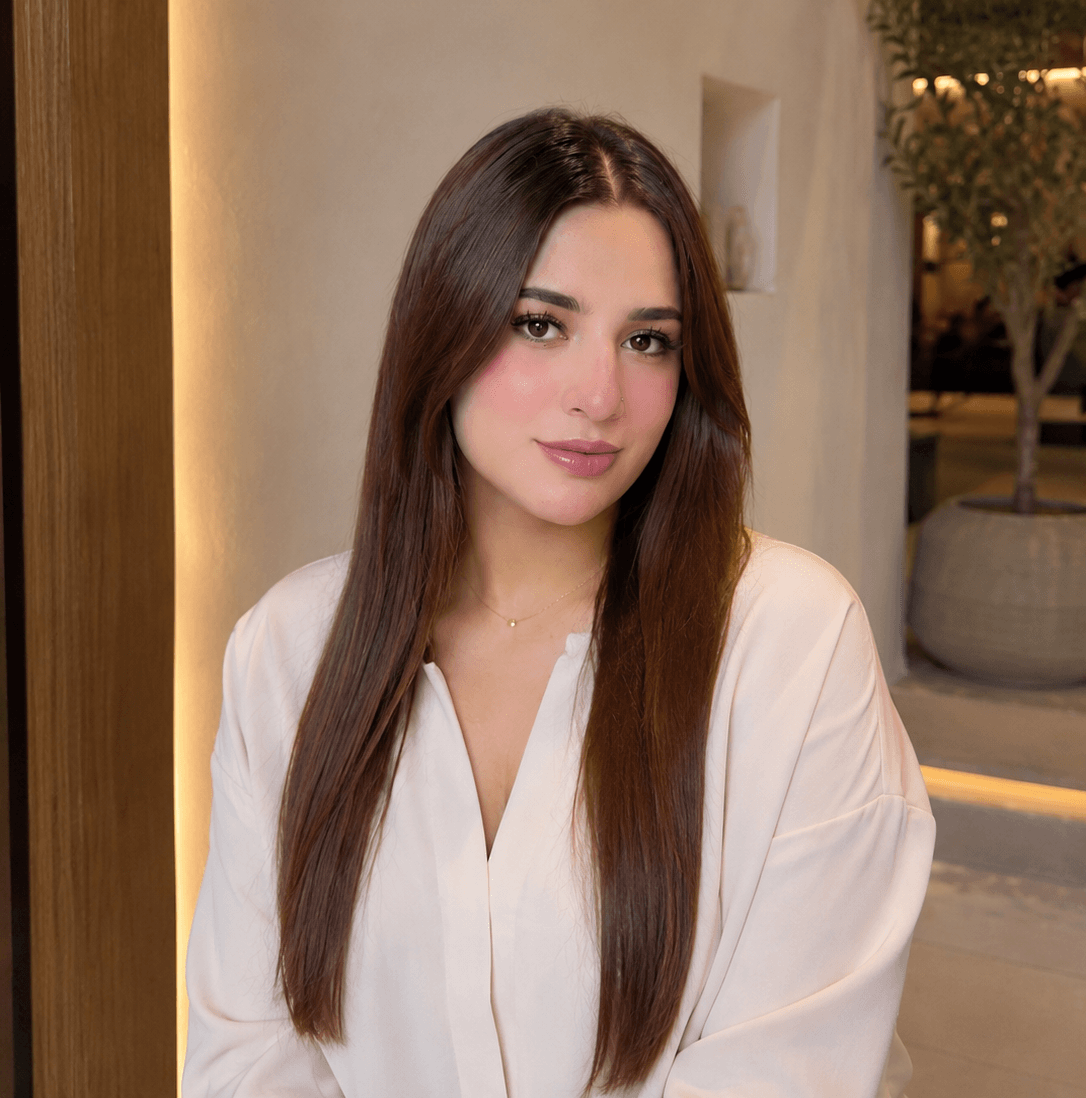
6. Curtain Bangs on Straight Hair
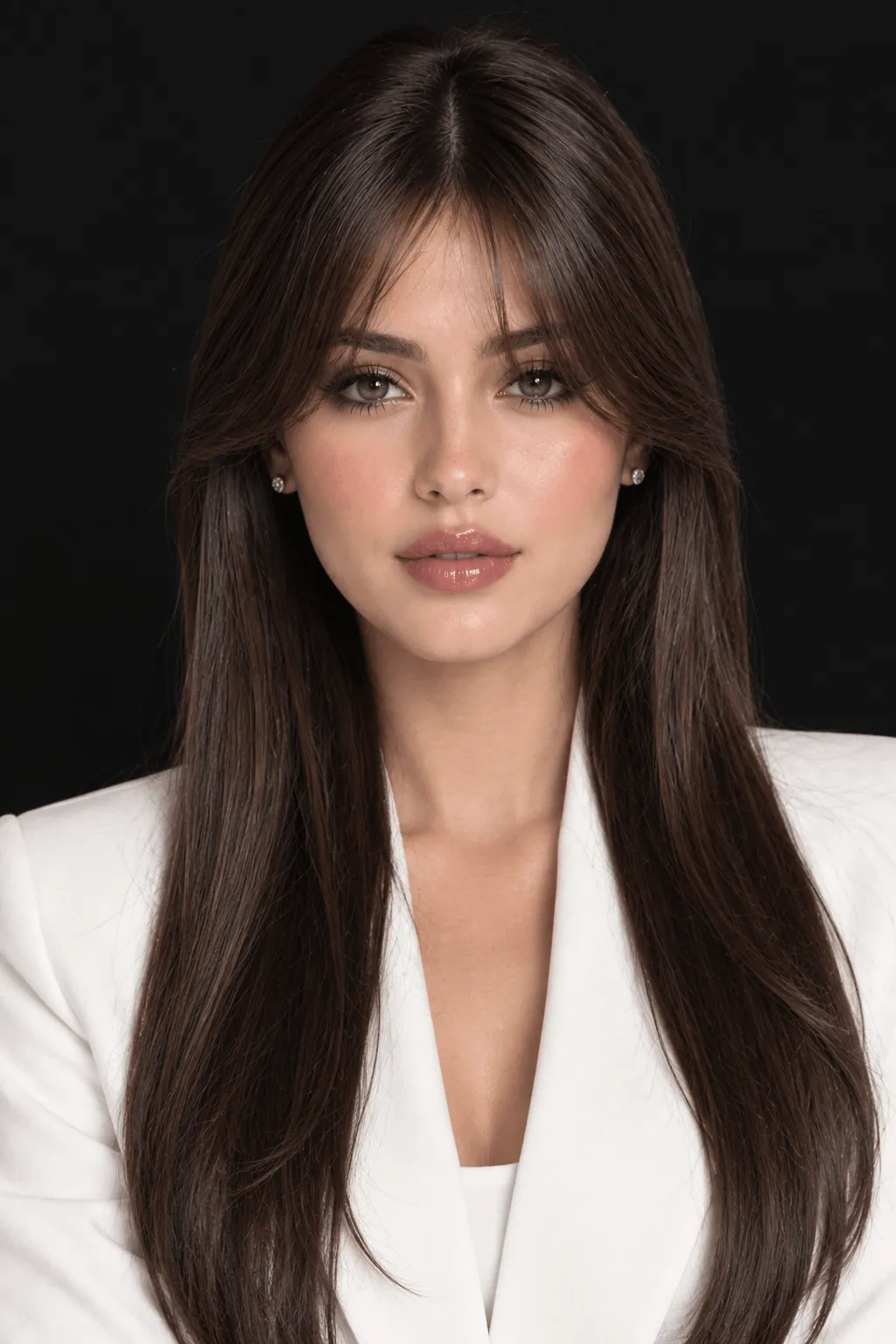
Straight hair shows the shape of curtain bangs clearly.
The center part looks neat. The ends can be curved away from the face for a soft finish.
Good to Know: If you like defined hairstyles, straight curtain bangs are worth trying.
7. Curtain Bangs on Curly Hair
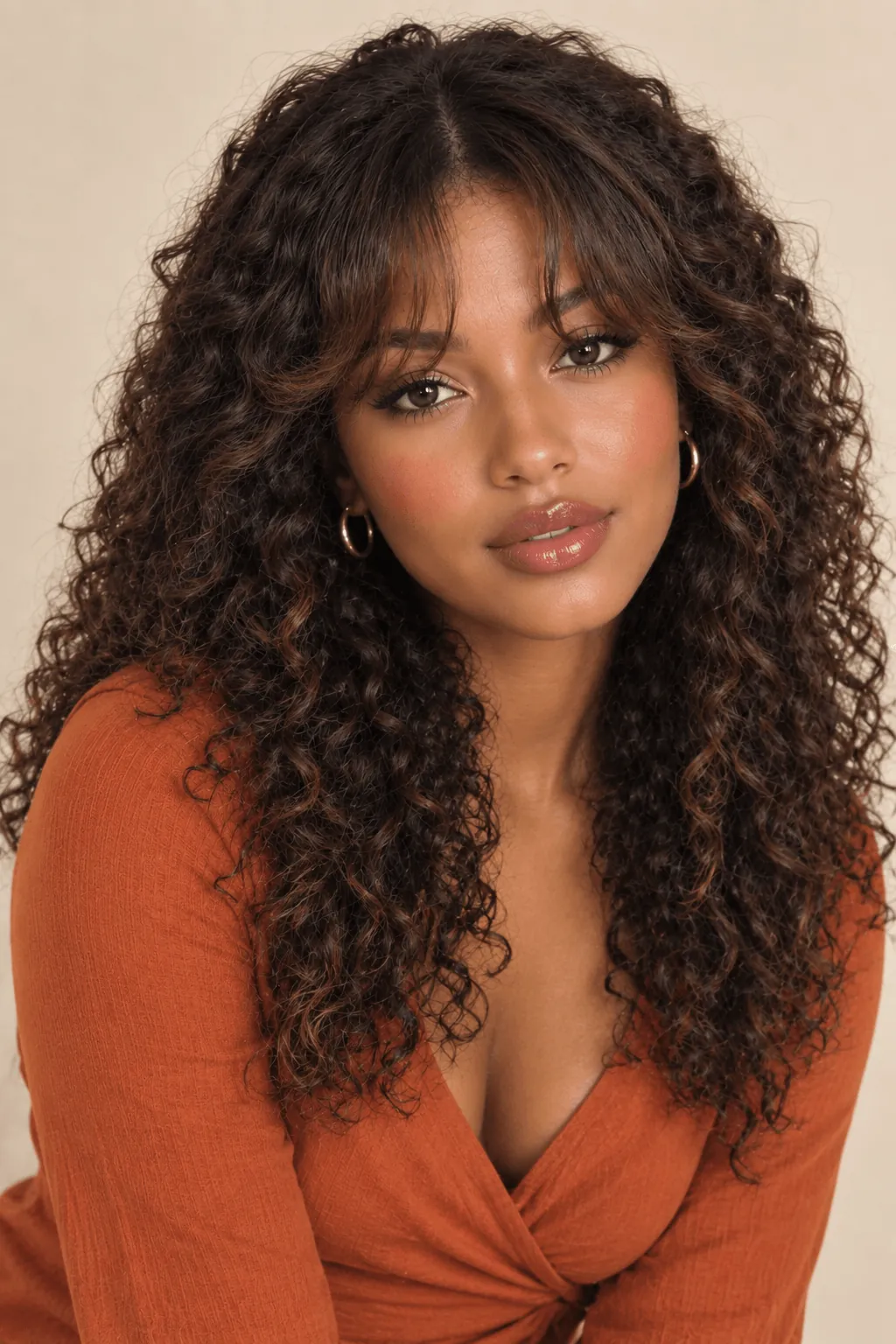
Curtain bangs go well with curly hair, but the hairstyle requires a lot of attention and maintenance.
When curly hair dries, it tends to shrink a lot. This means that the bangs will appear much shorter after drying.
It is usually better to have curly bangs shaped with the natural curl pattern in mind rather than treating them like straight hair.
Helpful Tip: Ask your stylist to consider how much your curls bounce up after drying.
8. Curtain Bangs With a Middle Part
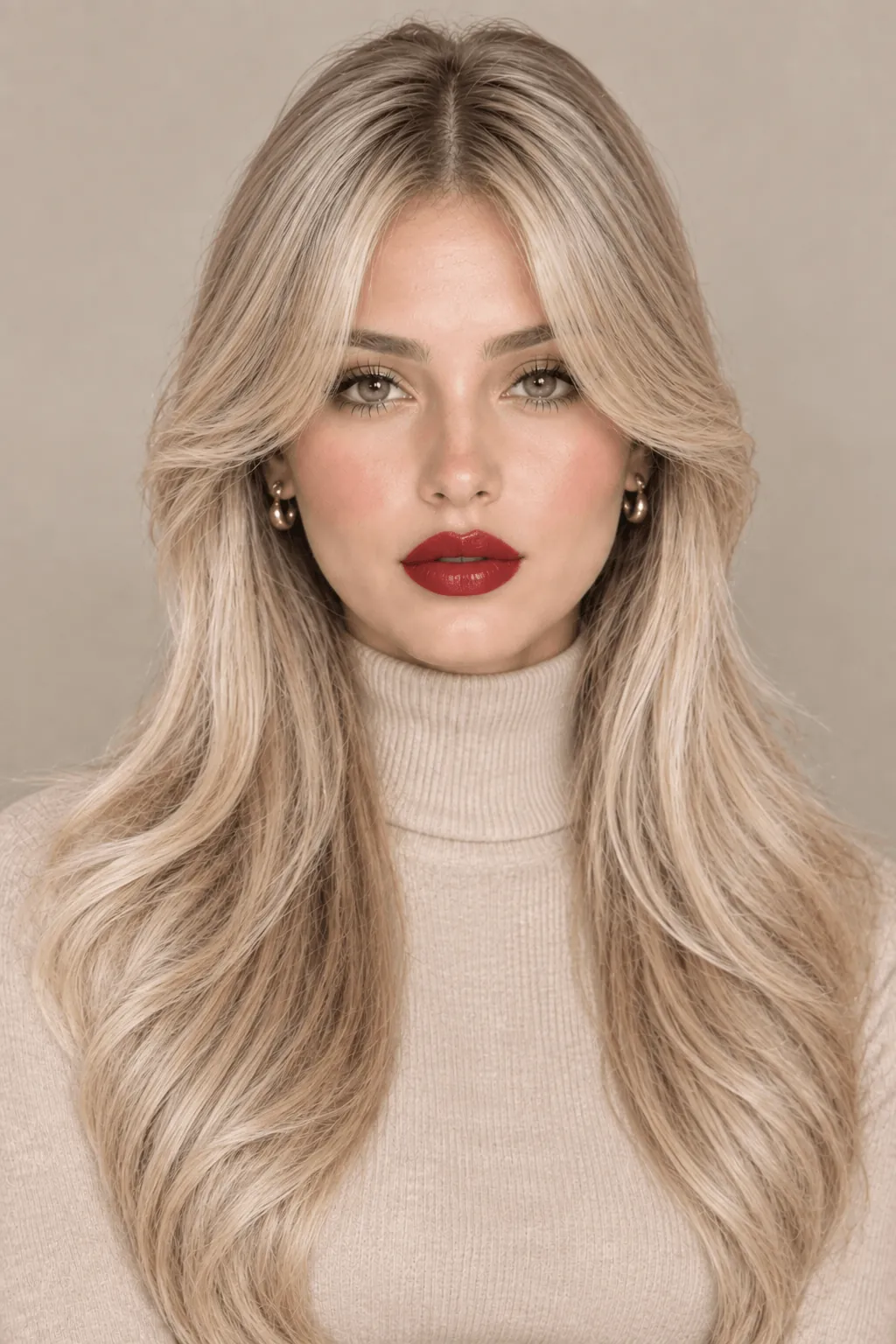
The middle part is the way to style curtain bangs.
The hair spreads out equally on both sides of the forehead and moves toward the cheeks. It makes a balance around the face.
Good to Know: This style works with medium and long hair, so you don’t need a particular cut to try it.
9. Curtain Bangs With a Side Part
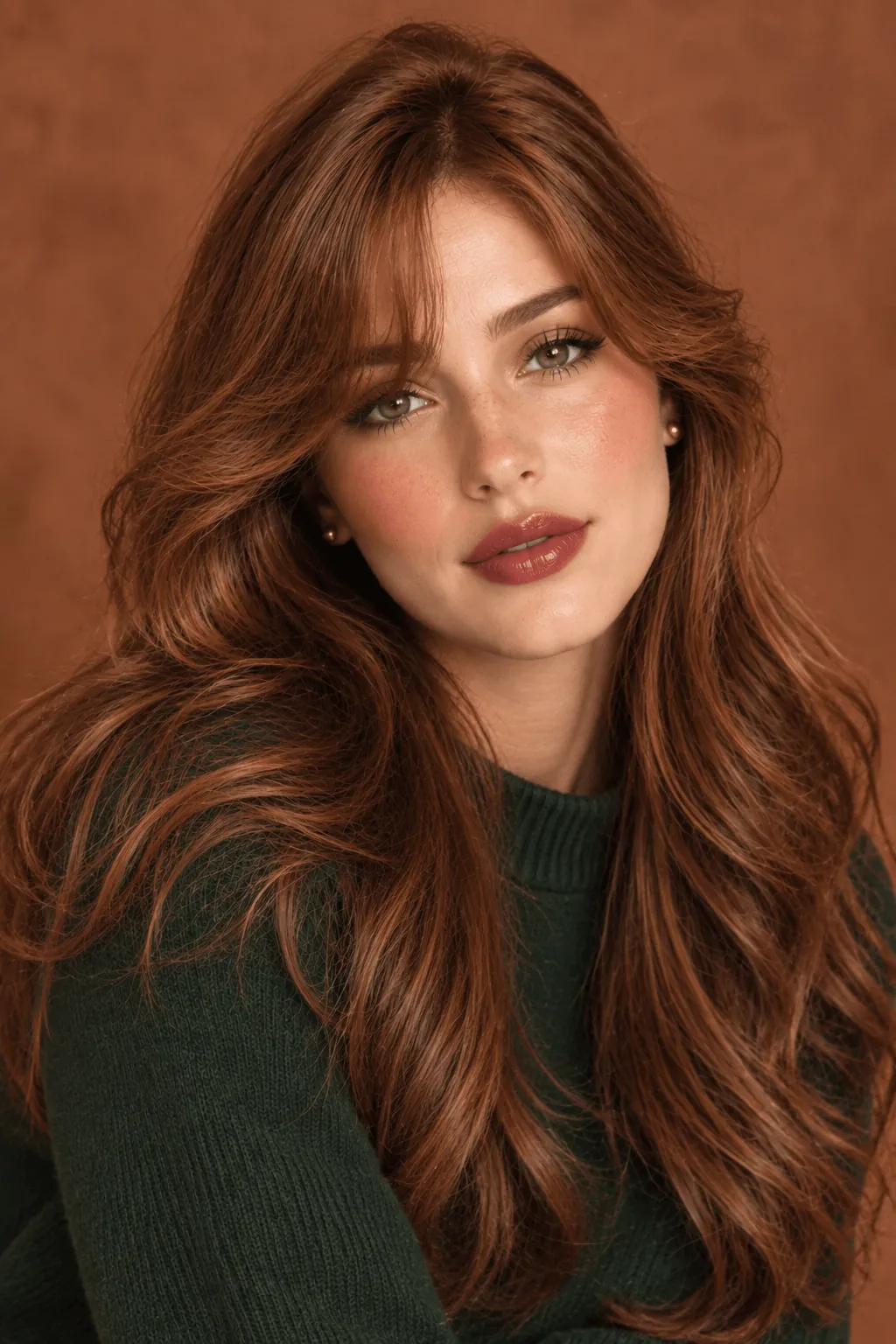
You don’t have to keep curtain bangs in the middle.
A side part shifts more hair to one side, making the bangs look a bit uneven. This can also create fullness on one side of the hair.
Good to Know: If you already have a side part, this style can fit right in with your current look.
10. Curtain Bangs on a Bob
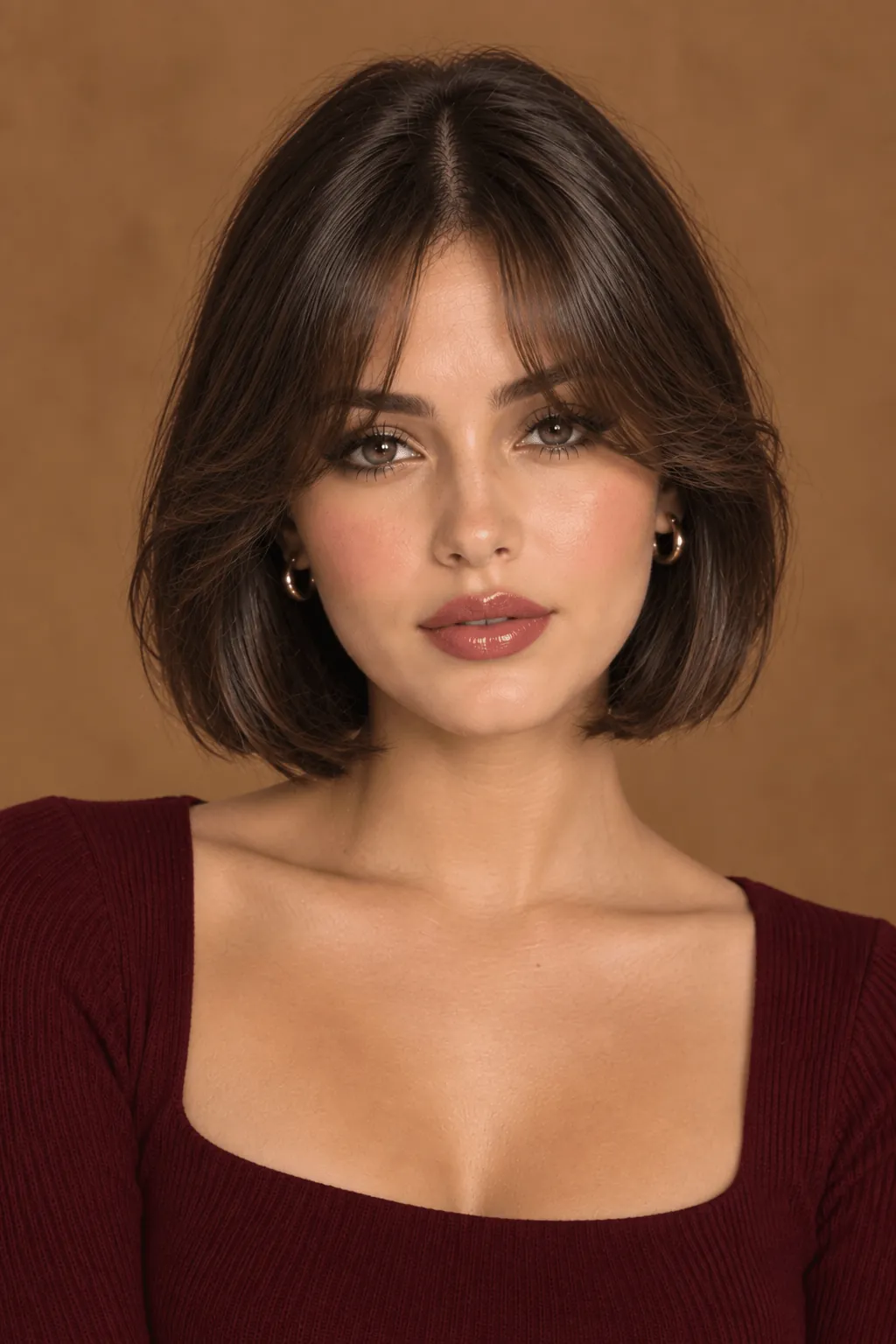
Curtain bangs have the ability to make or break a bob hairstyle.
With all other parts of the hair being short, the front part becomes the key focal point of the style. It can either blend in well with the bob or be its own individual part.
Good to Know: This is an option if you want a style that frames your face but don’t want to grow your hair long.
11. Curtain Bangs on Long Hair
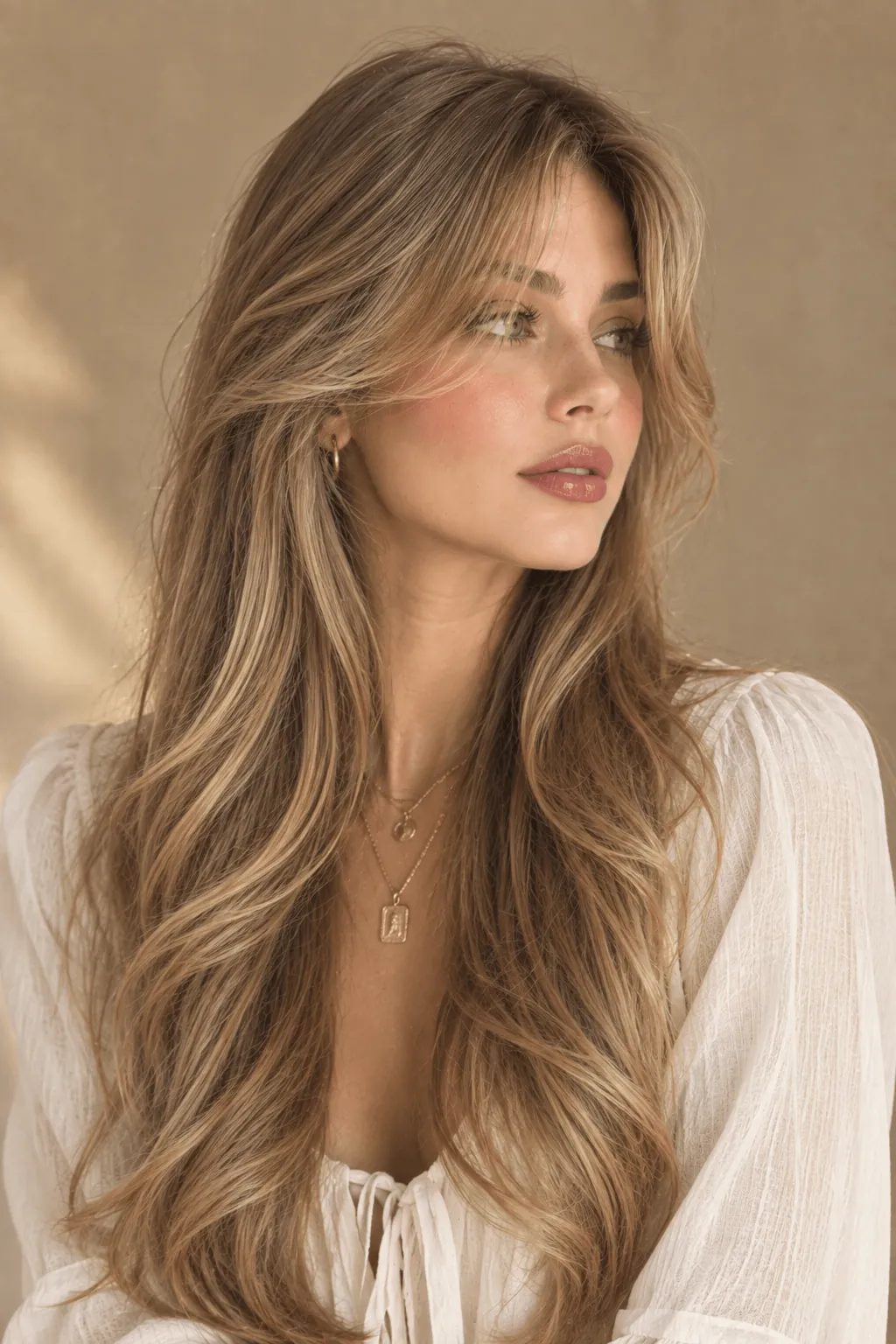
Long hair creates a contrast with the shorter pieces around the face.
Curtain bangs can start at the forehead and get longer as they flow into the rest of the hairstyle. This will provide an excellent frame to the face while retaining the long locks.
Style Tip: Regular trims can keep the bangs in shape while the longer hair grows.
12. Curtain Bangs on Short Hair
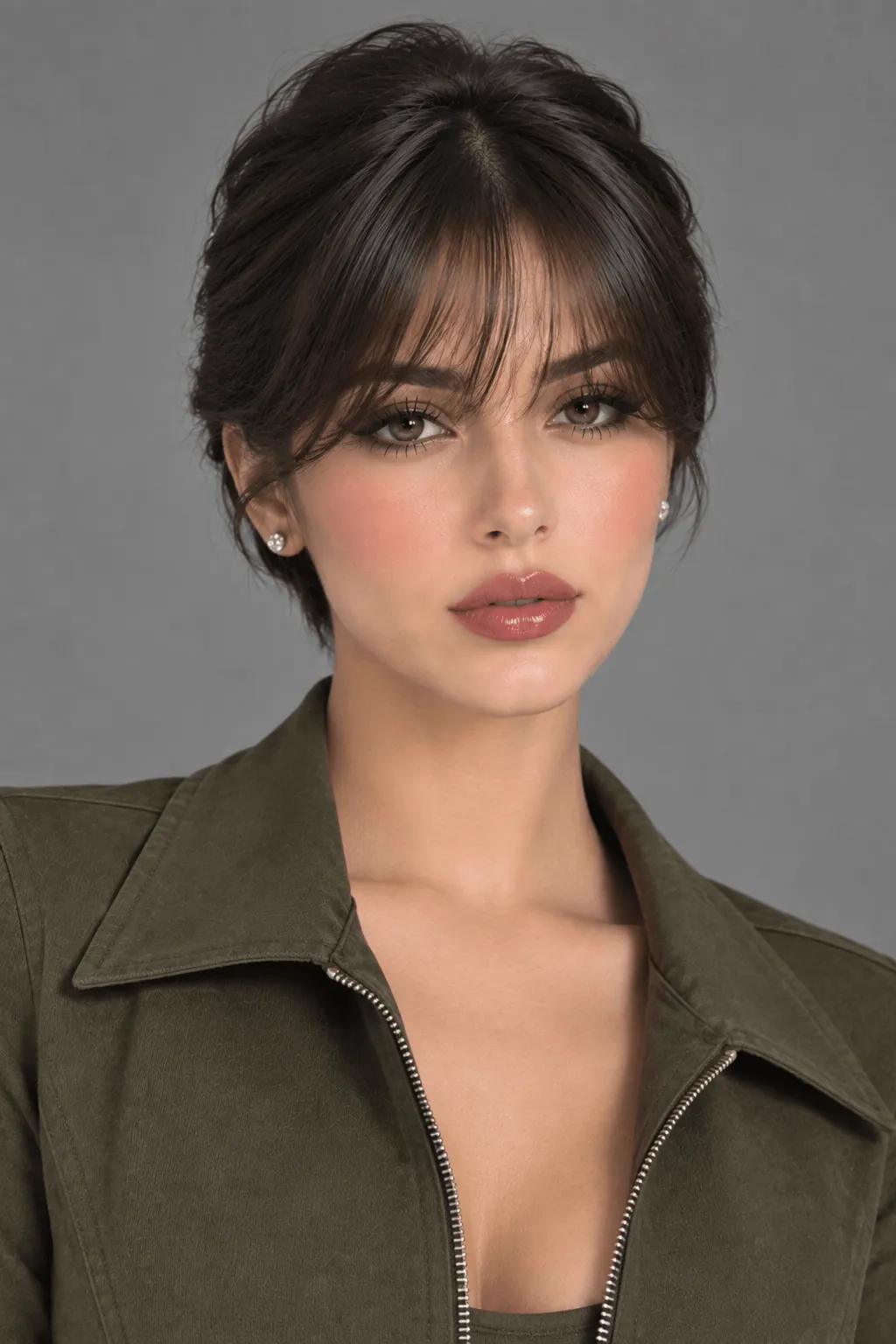
Curtain bangs are not off limits even when you sport short hair.
This part can actually remain slightly longer compared to other sections of your hairstyle. These longer strands can be easily swept outwards.
Good to Know: The result is a face-framing detail that can make short hair feel softer without adding much styling work.
13. Blunt Curtain Bangs
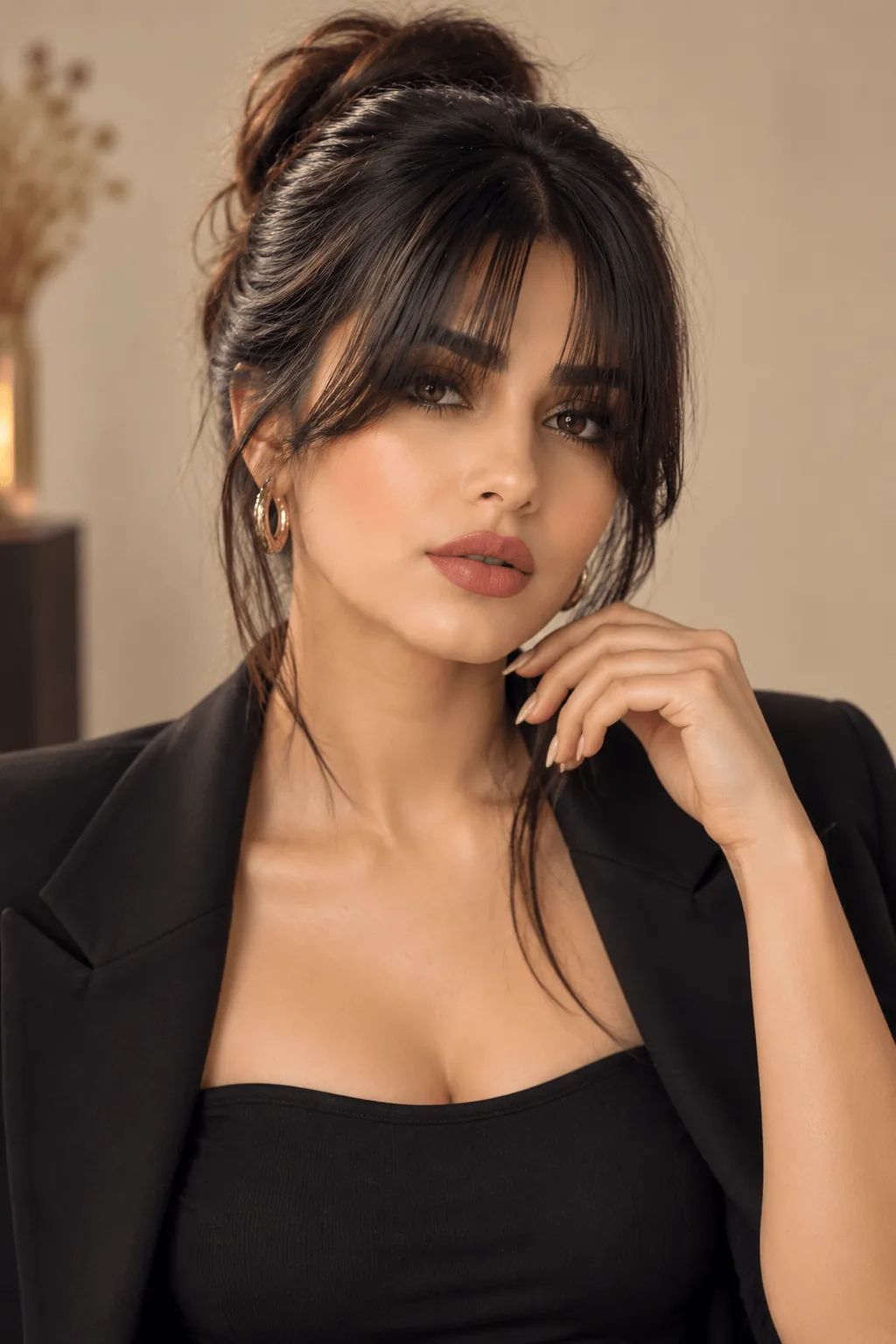
Blunt curtain bangs give a more defined and polished look compared to softer curtain styles.
The bangs are cut with a slightly fuller, structured shape while keeping the signature center part. This creates a bold frame around the face while maintaining a modern curtain-bang effect.
This hairstyle gives a sleek and confident appearance, especially when paired with smooth, glossy hair.
Keep in Mind: Blunt curtain bangs may require regular trimming to maintain their sharp shape as they grow out.
14. Full Curtain Bangs
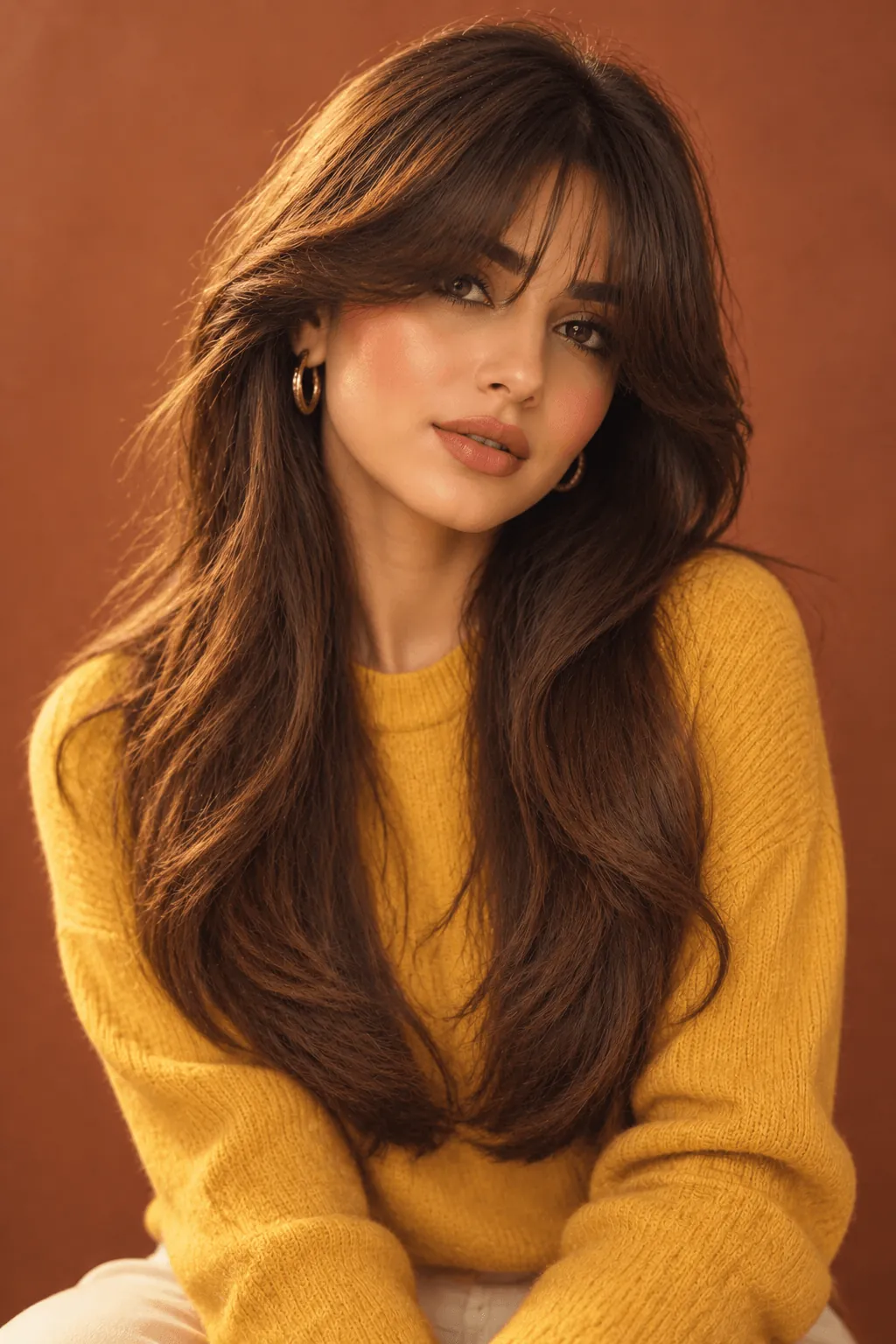
Full curtain bangs have more hair and cover more of the forehead.
They still open in the center. The sides look thicker and fuller than a wispy version.
The thick hair makes it possible to use the full curtain bangs hairstyle successfully.
Good to Know: If your hair is fine, a lighter version may be easier to manage.
15. Curtain Bangs With Face-Framing Layers
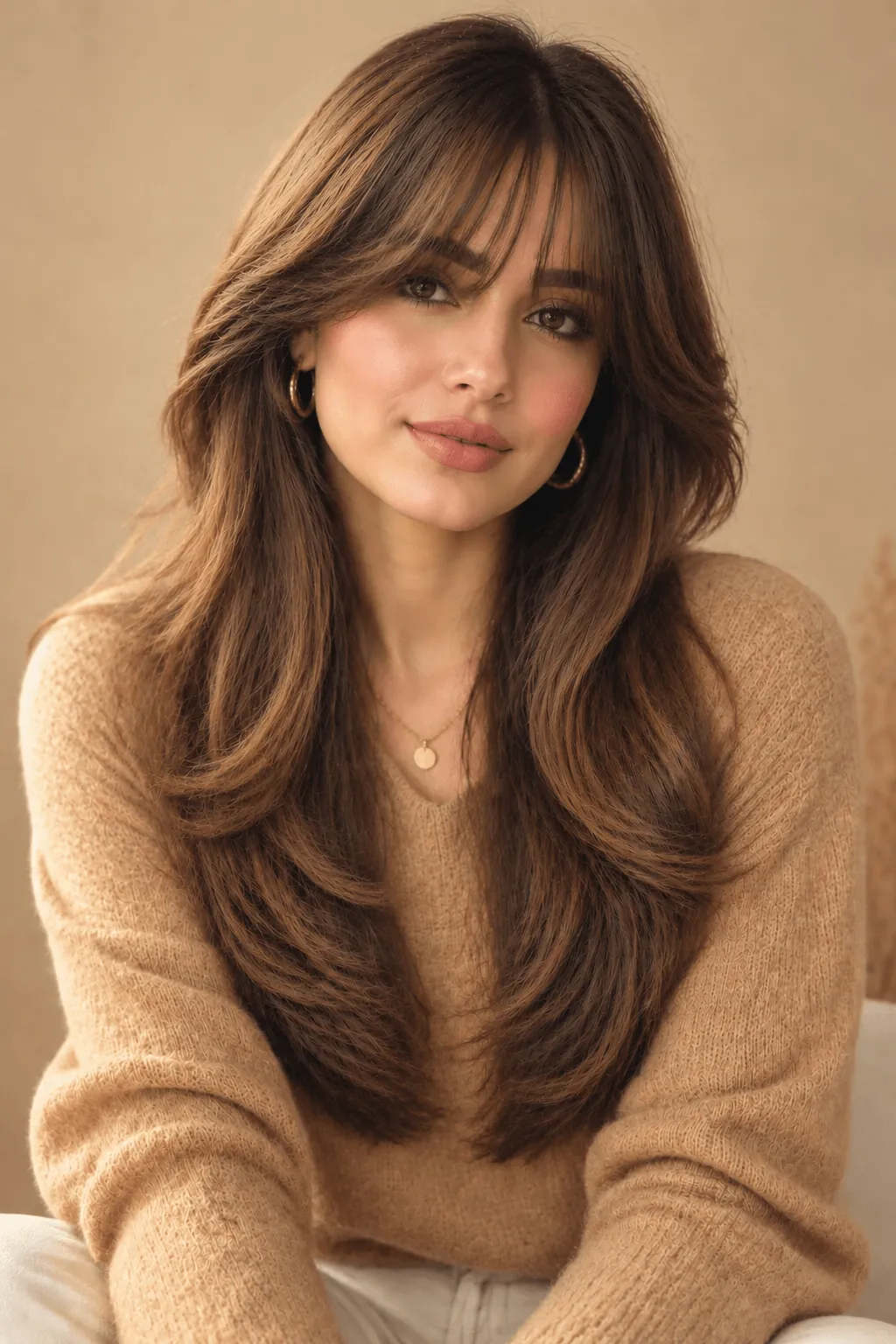
Curtain bangs blend seamlessly into longer face-framing layers around the face.
Instead of a sharp transition, the front pieces gradually connect with the rest of the haircut, creating a soft and natural flow.
Good to Know: This style adds movement and dimension, making it a great choice for layered haircuts with a smooth, blended finish.
16. Curtain Bangs for Second-Day Hair
Curtain bangs can, in fact, be helpful when you don’t feel like washing your hair on a daily basis.
Second-day hair has grip and makes the creation of curtain bangs easy. Some dry shampoo at the roots might also come in handy when they become oily.
Use a blow-dry to bring back the curve around the face, then leave the rest of your hair natural.
Good to Know: You can often refresh curtain bangs in just a few minutes.
17. Curled Curtain Bangs
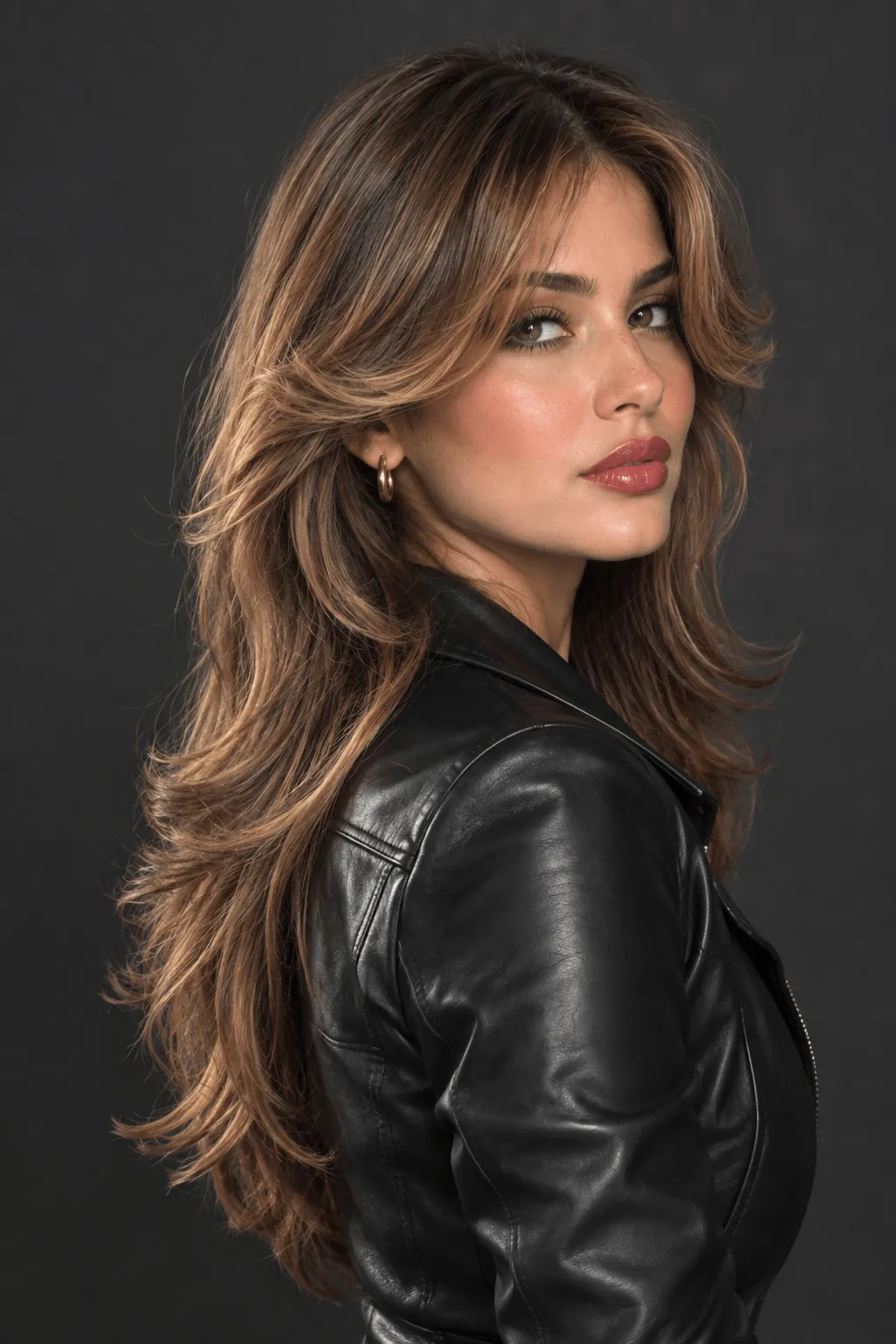
For a styled finish, curl the ends of curtain bangs away from the face.
A small curling iron can create a bend and add extra volume to curtain bangs. You do not need to curl the bang. Focus on the middle and ends.
Keep in Mind: Use a heat protectant before using tools and avoid holding the hair against the barrel for too long.
18. Curtain Bangs With Highlights
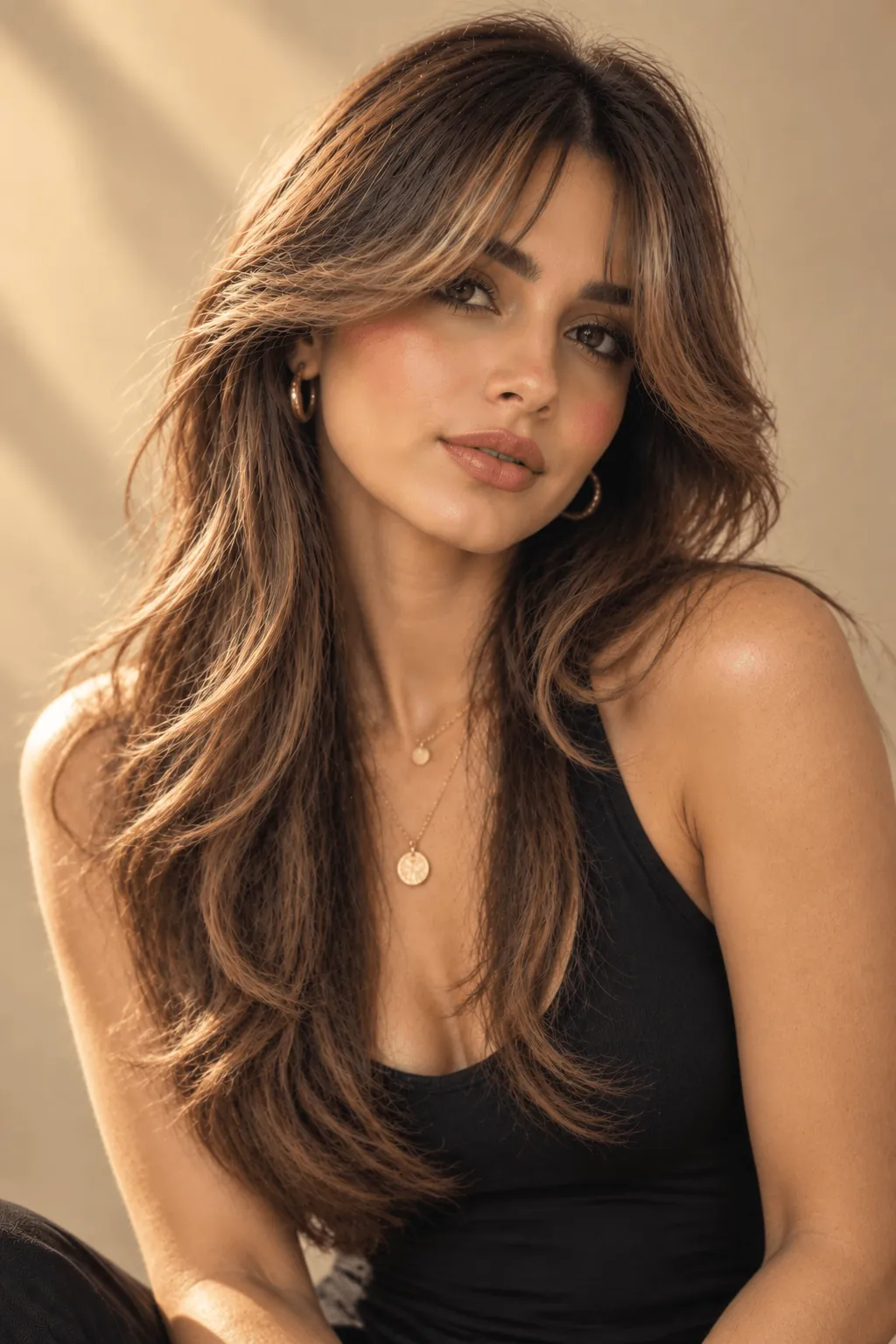
Highlights can bring attention to curtain bangs because they sit close to the face.
A few lighter pieces near the front can make curtain bangs easier to see and add depth to the haircut.
Good to Know: Highlights don’t have to be very strong. Soft pieces that match your color can create a natural look.
19. Curtain Bangs on Thin Hair
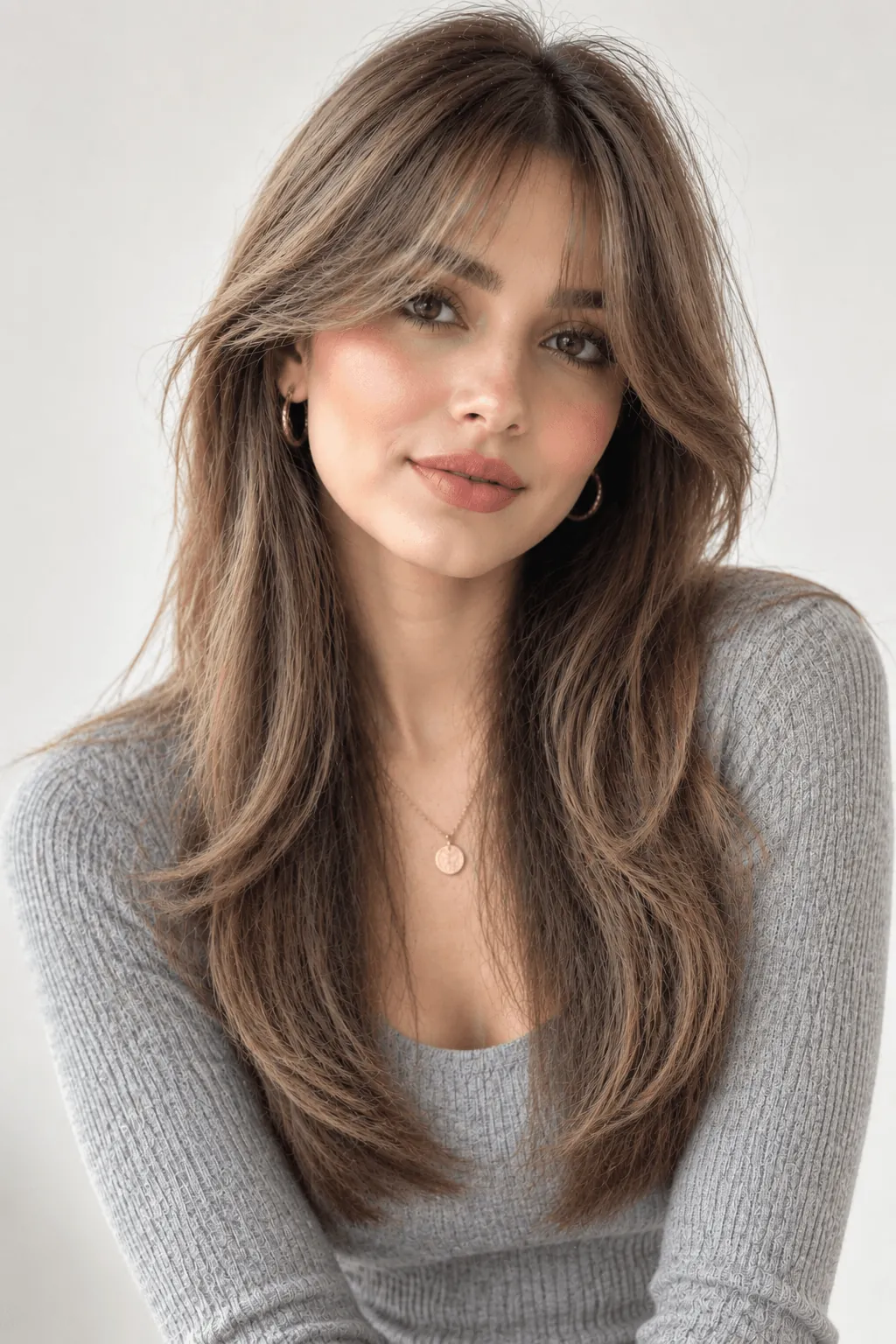
Hair can still wear curtain bangs. The main goal is to avoid taking much hair from the front.
A lighter cut with shaping can keep curtain bangs looking fuller. Much layering or texturizing may make the ends look thinner.
Style Tip: Use a little bit of root-lifting spray prior to blow-drying your hair.
20. Grown-Out Curtain Bangs With Layers
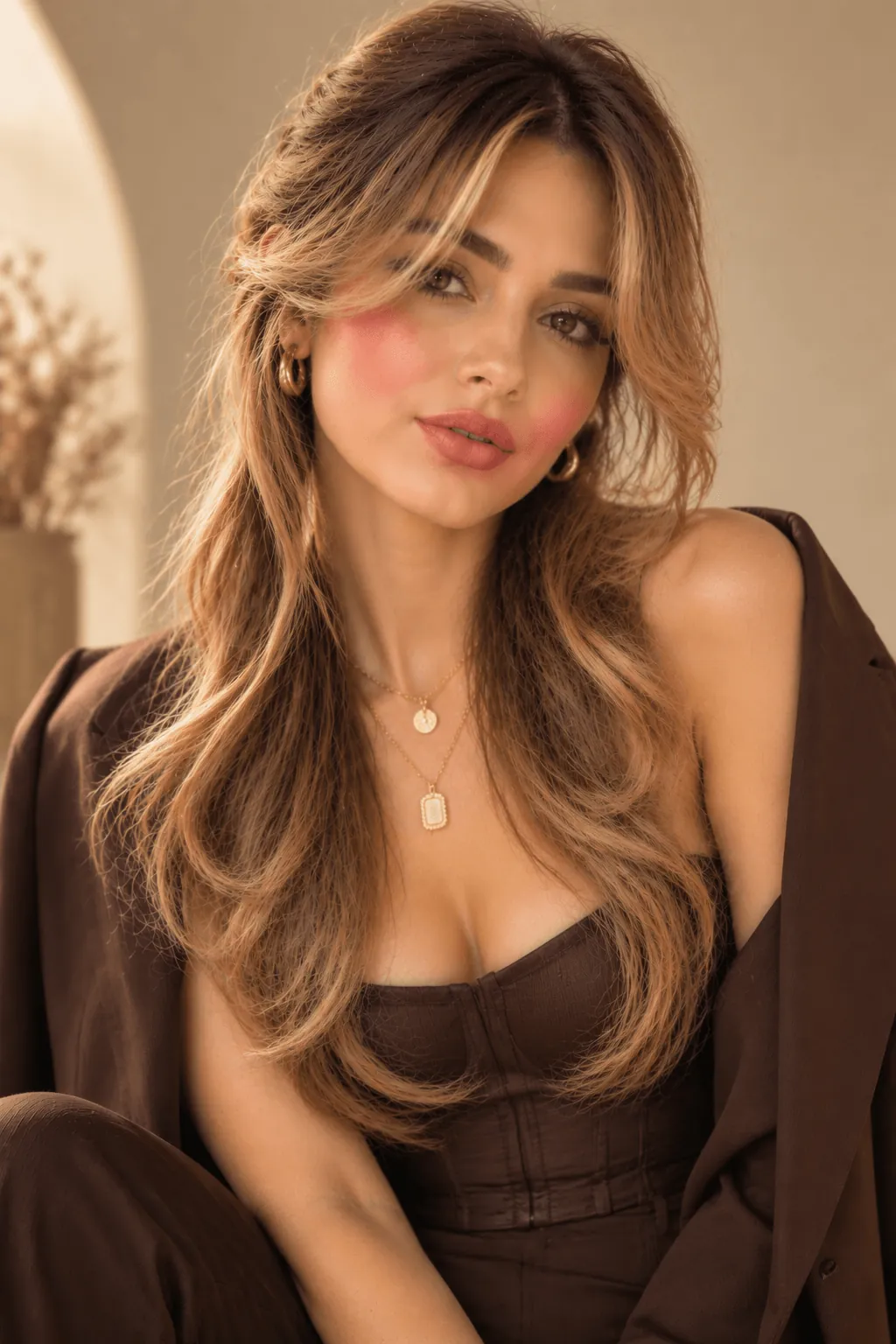
Growing out your curtain bangs does not necessarily mean that you will be stuck with an unattractive front portion of your hair.
Make sure that your stylist integrates the long bangs into face-framing layers. The old look of your bangs will automatically merge into your new haircut as your hair grows longer.
Good to Know: This is a great transition style if you have decided that you no longer want bangs but still want the front of your hair to look polished.
Frequently Asked Questions
Final Thoughts
Curtain bangs are trendy because they can be changed to suit different hair types, face shapes, and personal styles. You may make them short, long, straight, or wavy depending on your preferences and features.
The main thing is to select a length that will match the type of your hair. It does not matter whether your hair is straight, wavy, curly, thick, or thin. All of these types of hair may have curtain bangs, although there may be some variations in cutting and styling.
If you’re unsure about the length, the easiest option is to go for longer curtain bangs. You may always shorten them afterward, but it will be harder to grow your hair back if you cut it too short.

1 thought on “Curtain Bangs: The Complete Guide Plus 20 Styles to Try”