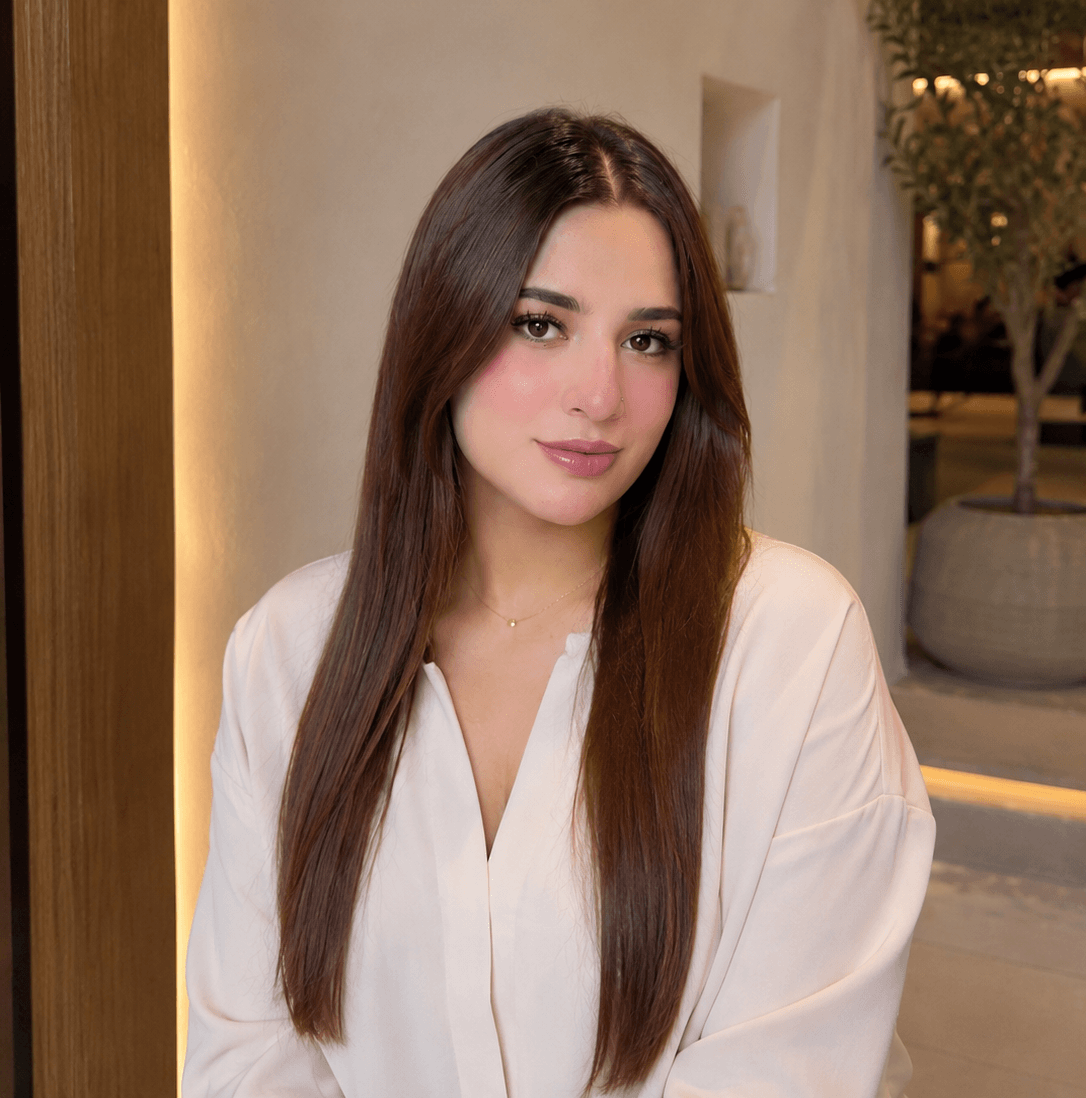
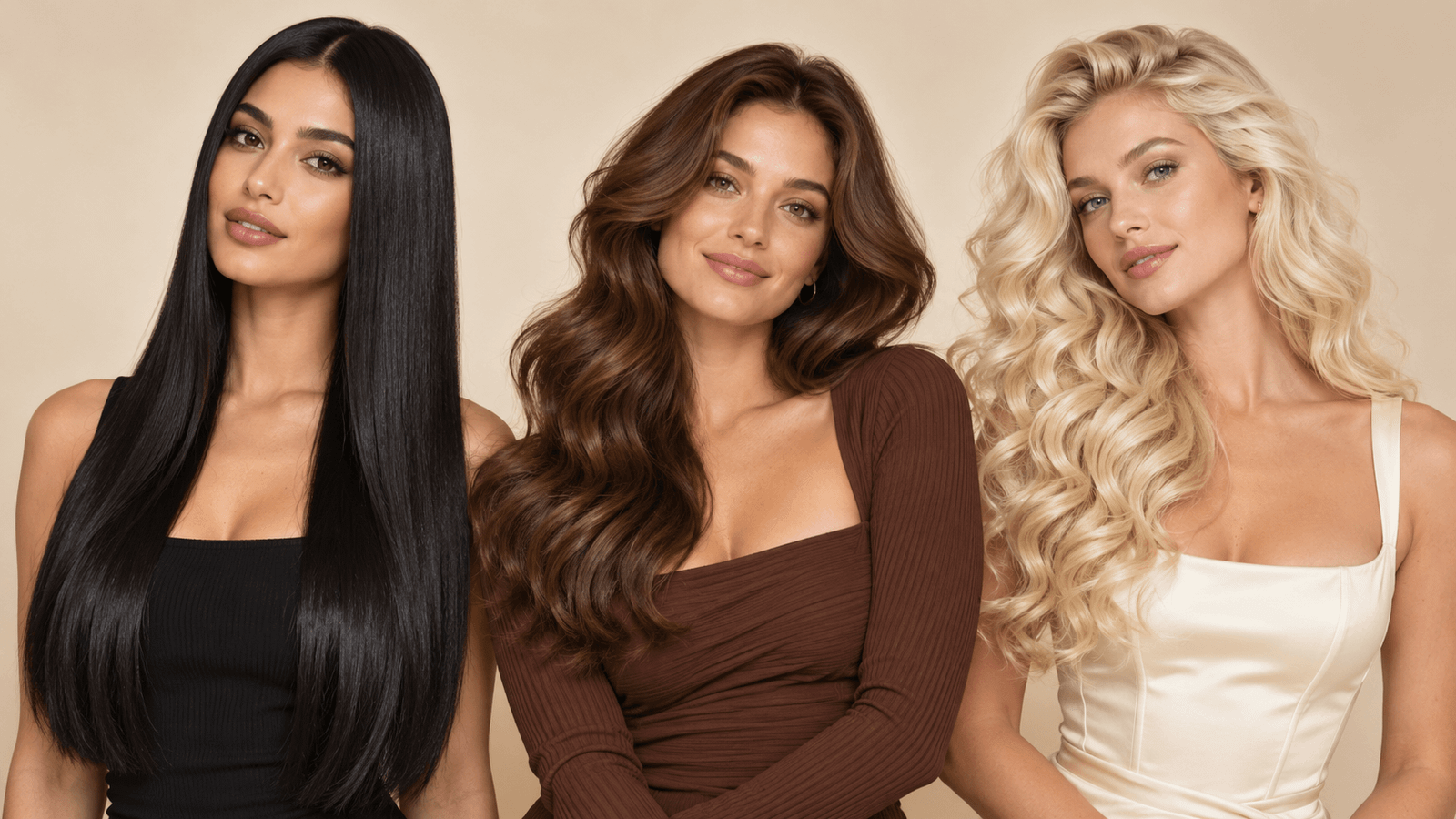
Looking at your hair and wondering what color level it is? You may know that your hair is brown, blonde, or black, but that does not tell you the exact level.
Hair colorists use levels to describe how light or dark hair is. The scale usually runs from level 1, which is black, to level 10, which is the lightest blonde.
Knowing your hair level can make choosing a new color much easier. It also helps when you are looking at hair dye numbers or trying to understand why a color looks different on your hair than it does in a picture.
What Hair Color Levels Mean
Hair color levels describe the lightness or darkness of your hair.
Level 1 is the darkest end of the scale, while level 10 is the lightest. The levels in between move gradually from dark brown through lighter brown and into blonde.
The number only tells you the depth of the color. It does not tell you whether the shade is warm or cool.
For example, two people can both have level 7 hair, but one may have golden blonde hair while the other has an ash blonde shade.
That is where hair tone comes in.
Hair Color Level Chart
Use this chart as a starting point when comparing your hair with different levels.
| Level | General Color | Common Shade Names |
|---|---|---|
| 1 | Black | Jet black |
| 2 | Darkest brown | Soft black, espresso |
| 3 | Dark brown | Dark chocolate |
| 4 | Medium brown | Chestnut, chocolate |
| 5 | Light brown | Mocha, caramel brown |
| 6 | Dark blonde | Dirty blonde, bronde |
| 7 | Medium blonde | Honey, caramel blonde |
| 8 | Light blonde | Golden blonde, beige blonde |
| 9 | Very light blonde | Butter blonde, pearl blonde |
| 10 | Lightest blonde | Platinum, icy blonde |
These names are general guides, not exact rules. Natural hair can have more than one shade, and lighting can change how it looks.
A color that looks like level 5 in a bathroom mirror may look closer to level 6 in bright daylight.
Why Your Hair Color Can Be Hard to Identify
You might look at the chart and still feel stuck.
Maybe your hair looks dark brown indoors but lighter in the sun. Maybe your roots are darker than your ends. Or perhaps you have old color, highlights, or balayage through the lengths.
That is why simply looking at your whole head and picking the closest color does not always work.
Your natural roots are usually the best place to start when you want to find your natural level.
How to Find Your Hair Color Level
Start by looking at your roots in natural daylight.
Try to find an area where your natural hair is clearly visible. Avoid judging the color from the ends if they have been dyed, highlighted, bleached, or exposed to a lot of sun.
Compare your roots with the different levels on a hair color chart.
If your hair seems to sit between two levels, compare both instead of forcing it into one category.
For example, medium brown may look close to both level 4 and level 5 depending on the lighting and natural undertone.
Natural roots: Give you the best idea of your starting level.
Colored lengths: May not show your natural level accurately.
Sun exposed hair: Can appear lighter than your natural color.
Faded dye: May look very different from the color you originally applied.
Find Your Hair Color Level
Still not sure whether your hair is level 4, 5, or 6? Our free Hair Color Chart makes it easier to compare your hair with levels 1 to 10.
Check the Hair Color ChartLevel 1 Black Hair
Level 1 is the darkest level on the standard hair color scale.
It describes deep black hair that can look almost the same in most lighting. Jet black is a common name used for this level.
If you want to take level 1 hair much lighter, the change can be significant. Dark pigment needs to be lifted before you can reach a much lighter shade.
Level 2 Darkest Brown Hair
Level 2 is very dark brown and can look almost black indoors.
When you step into brighter light, more of the brown can become visible. Espresso and soft black are common names for shades around this level.
If you cannot decide whether your hair is black or very dark brown, check your natural roots in daylight.
Level 3 Dark Brown Hair
Level 3 falls into the dark brown range.
Chocolate brown is often used to describe colors around this level. The exact appearance can change depending on whether the hair has warm, cool, or neutral tones.
If your hair looks clearly brown but still appears quite dark, level 3 may be close to your natural color.
Level 4 Medium Brown Hair
Level 4 is a medium brown shade.
Chestnut and chocolate brown can fall around this level. Some level 4 colors may look warmer, while others can appear more neutral or cool.
Lighting makes a difference here, so compare your hair in daylight rather than relying only on an indoor mirror.
Level 5 Light Brown Hair
Level 5 is a lighter brown.
Mocha and caramel brown are common shade names around this level. It sits close to the point where brown starts moving toward dark blonde.
If your hair looks brown indoors but has a noticeably lighter appearance outside, compare it with both level 5 and level 6.
Level 6 Dark Blonde Hair
Level 6 sits between light brown and blonde.
Dark blonde can look light brown in some lighting and more blonde in sunlight. Dirty blonde and bronde are common names used around this level.
Level 6 is also important when hair is being lightened because warm tones can become more visible during the process.
If you want a cooler blonde, that warmth may need to be adjusted with a suitable toner.
Level 7 Medium Blonde Hair
Level 7 is a medium blonde level.
You may see honey, caramel, beige, or cooler blonde shades around this level.
The final color depends heavily on the tone. A golden level 7 will not look the same as an ash level 7, even though both have the same depth.
Level 8 Light Blonde Hair
Level 8 is a light blonde.
Golden blonde and beige blonde shades can fall around this level. The final result depends on the starting color, underlying pigment, and tone used.
If you are starting with darker hair, reaching level 8 can require several steps rather than one simple color application.
Level 9 Very Light Blonde Hair
Level 9 is a very light blonde.
Butter blonde and pearl blonde are common shade names around this level.
At this point, even a small difference in tone can change the way the color looks. Warmth may still be visible, especially when darker hair has been lifted to this level.
Level 10 Lightest Blonde Hair
Level 10 is the lightest standard level.
Platinum and icy blonde shades are commonly associated with this level.
Moving from dark hair to level 10 is a major change. The process can be demanding on the hair, particularly if it has already been colored or chemically treated.
For a big color change, it is better to have a professional check your hair before deciding how light you can realistically go.
Hair Color Level vs Hair Tone
Level and tone are two different things.
Level: Tells you how light or dark the hair is.
Tone: Tells you the color quality within that level, such as warm, cool, or neutral.
Warm tones can include gold, copper, and red. Cool tones can include ash, violet, and blue.
For example, a level 7 can have a golden tone or an ash tone. Both are level 7, but they will look quite different.
This is one reason hair color names can become confusing when you are shopping for dye.
What Hair Dye Numbers Mean
Hair dye boxes often use numbers and letters to describe a shade.
The first number usually refers to the level.
For example, 6.1 generally means a level 6 shade with an ash tone. 7G generally refers to a level 7 shade with a gold tone.
The exact system can vary between brands, so always check the brand’s own color chart before buying a shade.
Still, understanding the first number gives you a useful starting point when comparing colors.
How Much Can You Lighten Your Hair
How much you can safely lighten depends on your starting level, hair condition, previous color, and the result you want.
Going darker is usually more straightforward than making a large jump toward blonde.
When dark hair is lightened, underlying pigment becomes visible. You may see red, orange, and yellow tones as the hair moves through lighter levels.
A small change may be possible in one color service, while a much bigger change can require several appointments.
Previously colored hair can also react differently from natural hair, so a professional assessment is helpful when you want a major color change.
Why Hair Turns Orange When It Is Lightened
Orange hair after lightening is usually related to the underlying pigment in the hair.
As dark hair becomes lighter, the pigments underneath the original color become more visible. Depending on the starting level, those pigments can appear red, orange, or yellow.
This does not automatically mean the hair has been ruined.
The next step depends on the level and the unwanted tone. A colorist can choose a suitable toner or color formula to help balance the warmth.
Choosing the Right Hair Color Level
Your natural level is your starting point.
If you want a subtle change, staying fairly close to your natural level can make the color easier to maintain.
A bigger change means more work and may require more lightening, toning, or salon visits.
Before choosing a shade, think about the result you actually want.
Do you want your hair slightly lighter?
Do you want a deeper brunette?
Are you trying to become blonde?
Or do you like your current level but want to change the tone?
Knowing your level first can make the rest of the decision much easier.
Hair Color Levels and Maintenance
Your chosen level can affect how often you need to maintain your color.
A shade close to your natural color usually creates a softer grow out because the difference at the roots is smaller.
Very light blonde hair may need regular toning and root maintenance. Darker colors can also show new growth when your natural hair is much lighter.
If you have highlights, balayage, or several shades in your hair, your entire head may not fit into one level.
In that case, look at your natural roots separately from the colored sections.
When to See a Colorist
A hair color level chart is useful for understanding your starting point, but it cannot tell you everything about your hair.
It is a good idea to speak with a colorist if you want a major color change, especially when your hair has been colored before.
Professional advice is also useful if your hair is damaged or you want to go from a dark shade to a very light blonde.
A colorist can look at your current color, previous treatments, hair condition, and desired result before deciding what is realistic.
Frequently Asked Questions
What level is dark brown hair? −
What level is light brown hair? −
What level is dark blonde hair? −
What level is platinum blonde? −
What is the difference between level and tone? −
How can I tell what level my hair is? −
Why does dark hair turn orange when lightened? −
Still deciding? Try these
 Haircuts30 Best Short Wavy Haircut Ideas That Actually Suit Your Face
 Hair Color15 Hair Color Ideas on Brown Skin That Look Rich and Bright
 Hairstyles16 Easy Claw Clip Hairstyles You Can Create in Seconds
 HairstylesBox Braids Styles for Every Length, Size, and Occasion
 HaircutsWolf Haircut: The Complete Guide to 20 Stylish Wolf Cut Ideas
 Hair ColorWhat Are the Best Fall Hair Colors? Stunning Shades Worth Trying
 HairstylesBraided Ponytail: 20 Styles That Are Impossible to Scroll Past
 Hairstyles23 Halloween Hairstyles That Look Scary, Cute, and Creative for Every Costume
 Nail Colors/Trends18 Pretty Blue Nail Ideas for Every Skin Tone
 Aesthetic/Style OutfitsCoquette Outfit Ideas to Try for a Sweet, Feminine Look
- Free toolFace Shape CalculatorFour measurements tell you your face shape, then the cuts and bangs that suit it.Find my face shape
Final Thoughts
Understanding hair color levels makes it easier to talk about your hair and choose a new shade.
The most important thing to remember is that level tells you how light or dark your hair is, while tone describes the color within that level.
If you are unsure about your own level, start with your natural roots in daylight and compare them with the different levels.
You can also use the free Hair Color Chart on Your Girl Style to compare levels 1 to 10, see common shade names, and understand the tones found within each level.Once you know your starting level, choosing your next hair color becomes a lot less confusing.