
Why is my hair so frizzy even after I smooth it, add conditioner, and think I finally have the frizz under control? Then you step outside, and a few hours later your hair looks puffy again.
Frizz can happen for several reasons. Dryness, humidity, heat damage, rough towel drying, and even the way you brush your hair can all play a part.
Your hair porosity may also be part of the problem. It affects how easily your hair takes in water and how well it holds onto moisture. If you are not sure whether your hair needs more protein or more moisture, take our protein or moisture quiz.
The first step is to figure out what may be causing your frizz. Once you know that, it becomes much easier to choose the right changes for your routine.
Quick Info
Common Causes: Dryness, humidity, heat, friction, and hair damage
What to Check: Your hair porosity may affect how your hair takes in and holds moisture
Simple Fixes: Moisturize, reduce heat, handle wet hair gently, and avoid heavy product buildup
Helpful Tool: Hair Porosity Test
What causes frizzy hair
Your hair is too dry
Dry hair is one of the most common reasons for frizz. When your hair does not have enough moisture, it can feel rough and look puffy instead of smooth.
Washing with very hot water, using strong shampoos, or skipping conditioner can make dryness worse.
Try using a moisturizing conditioner every time you wash. If your hair still feels rough, add a moisturizing hair mask to your routine once a week.
Humidity is making your hair frizzy
Some days your hair looks smooth when you leave the house, then suddenly becomes bigger and frizzier outside.
Humidity can be the reason.
Hair interacts with moisture in the air, and this can make frizz more noticeable, especially if your hair is already dry or damaged.
On humid days, try to keep your routine simple. A lightweight leave-in product can help smooth the hair, and touching or brushing it repeatedly can make the frizz worse.

Heat styling has damaged your hair
Flat irons, curling irons, and frequent blow-drying can take a toll on your hair.
Too much heat can leave the outer layer of the hair rough and make the ends look dry and frizzy.
You do not have to stop using hot tools completely. Lower the temperature when possible, use heat protectant, and give your hair some days without heat styling.
If your ends are badly damaged, a trim may also help your hair look smoother.
You are washing your hair too often
Your hair needs to be clean, but washing too often can leave some hair types feeling dry.
If your hair feels rough or tight after every wash, take a look at how often you are shampooing.
There is no single washing schedule that works for everyone. Your scalp, hair type, and lifestyle all matter.
Try focusing shampoo on your scalp rather than rubbing it through the full length of your hair.
You rub your hair with a towel
Wet hair is more delicate, so rough towel drying can create extra friction.
Rubbing your hair back and forth with a regular towel can leave it looking rough and fluffy.
Instead, gently squeeze out the water. You can also wrap your hair in a soft T-shirt or microfiber towel and let it absorb the excess water.
You brush your hair too much when it is dry
Dry brushing can make some hair types look even more frizzy.
This is especially true for wavy and curly hair because brushing can break up the natural pattern.
If your hair has waves or curls, try detangling it while it is damp and conditioned. Start at the ends and work your way upward rather than pulling through knots from the roots.
Your products are too heavy
More product does not always mean more moisture.
If your hair feels greasy or coated but still looks dry and frizzy, your products may be too heavy for your hair.
Try using a smaller amount. You may also find that a lightweight leave-in works better than layering several heavy creams and oils.
Could your hair porosity be making frizz harder to manage
Hair porosity describes how easily your hair takes in water and how well it holds onto moisture.
Low-porosity hair has a tighter cuticle, so water and products may have a harder time getting in. High-porosity hair has a more raised or damaged cuticle, so it can take in moisture quickly but may lose it just as quickly. Medium porosity falls between the two.
This is one reason the same conditioner can work beautifully for one person but leave another person’s hair feeling coated, dry, or frizzy.
Not Sure About Your Hair Porosity?
Find out whether your hair is low, medium, or high porosity with our Hair Porosity Test. Your result also includes a wash-day routine and guidance on ingredients that may work better for your porosity.
Take the Hair Porosity Test →That gives you a better starting point than guessing which products your hair needs.
How to manage frizz based on your hair porosity
Low porosity hair
With low-porosity hair, the challenge can be getting moisture into the hair rather than simply adding more product.
Lightweight, watery products may work better than heavy creams and butters. Warmth can also help when conditioning. Try applying your mask to damp hair, covering it, and leaving it for around ten minutes.
Product build-up can also make low-porosity hair feel heavy. Clarifying your hair from time to time may help remove that build-up.
Medium porosity hair
Medium-porosity hair usually needs a balance between moisture and protein.
Condition regularly and use heat protectant whenever you use hot tools. Pay attention to how your hair responds to different treatments instead of adding products just because they are popular.
The goal is to keep your hair moisturized without weighing it down.
High porosity hair
High-porosity hair can lose moisture quickly. Bleach, coloring, and repeated heat styling can also push hair toward higher porosity.
Focus on keeping moisture in. Applying products to damp hair and layering them can help. Protein treatments may also be useful, followed by a moisturizing treatment.
If your ends are badly damaged, products can improve their feel, but they cannot permanently restore hair that has already been damaged.
Simple ways to reduce frizz
You do not need a complicated routine to start making changes.
- Use conditioner whenever you wash your hair.
- Avoid very hot water.
- Use heat protectant before hot styling.
- Be gentle when drying wet hair.
- Avoid rubbing your hair with a towel.
- Try not to brush wavy or curly hair when it is dry.
- Use less product if your hair feels coated or greasy.
- Trim damaged ends when needed.
- Give your hair breaks from frequent heat styling.
Small changes can make a bigger difference when you stick with them.
When your frizz suddenly gets worse
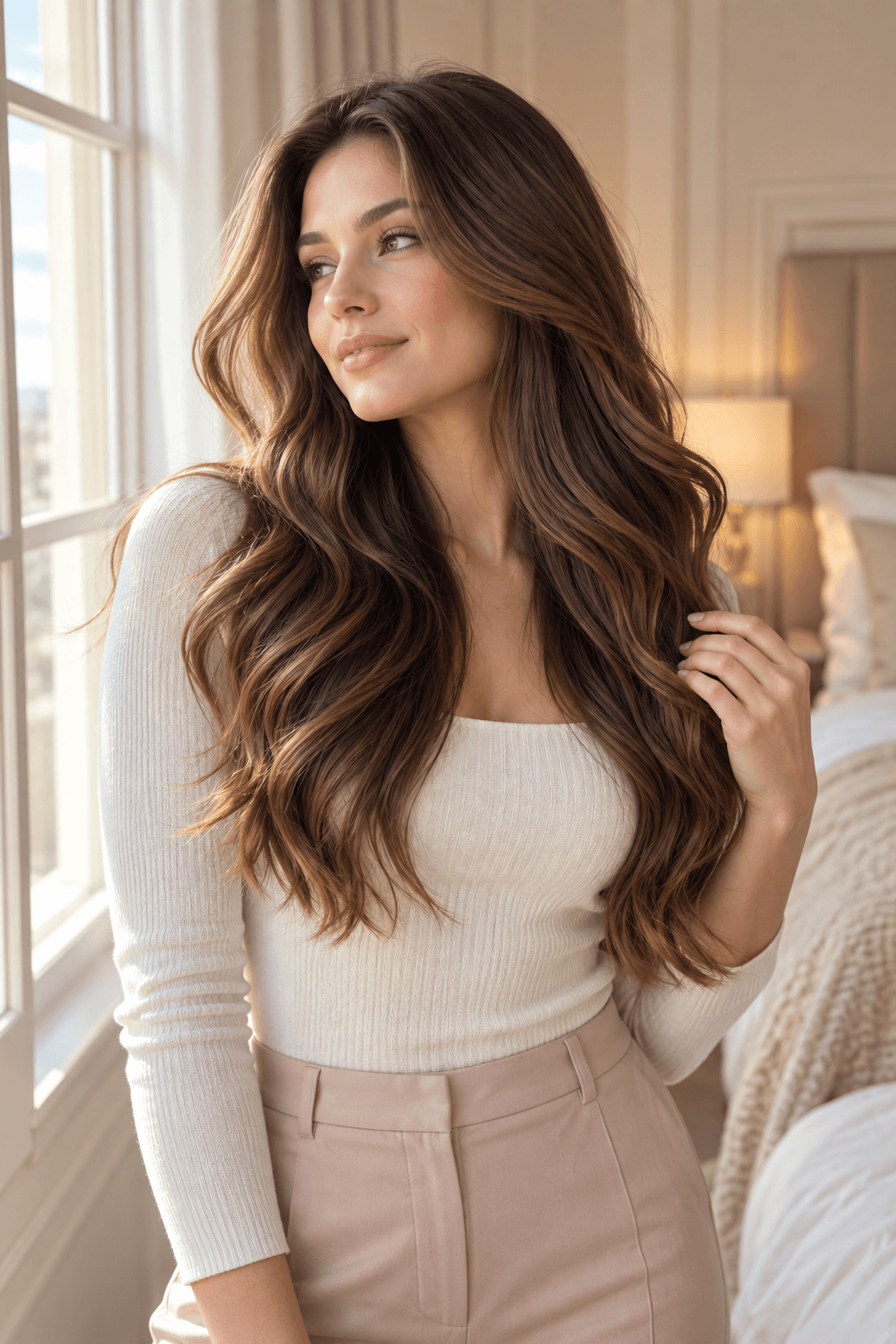
If your hair suddenly becomes much frizzier than usual, think about what has changed.
Maybe you started using a new shampoo. Perhaps you colored or bleached your hair. You may have started using a flat iron more often, moved to a more humid area, or changed how often you wash your hair.
Going back through your routine can help you spot the change.
You do not always need another hair product. Sometimes the better fix is removing something that your hair is not responding well to.
Frequently Asked Questions
Why is my hair so frizzy all of a sudden? −
How do I stop my hair from being so frizzy? −
Does dry hair cause frizz? −
Can hair porosity affect frizz? −
How do I know my hair porosity? −
Why does my hair get frizzy after I wash it? −
Why is my hair frizzy even after using conditioner? −
More hair ideas to save
 Hairstyles23 Halloween Hairstyles That Look Scary, Cute, and Creative for Every Costume
 Hair ColorWhat Are the Best Fall Hair Colors? Stunning Shades Worth Trying
 HaircutsWolf Haircut: The Complete Guide to 20 Stylish Wolf Cut Ideas
 Hairstyles16 Easy Claw Clip Hairstyles You Can Create in Seconds
 HairstylesBox Braids Styles for Every Length, Size, and Occasion
 HaircutsUltimate Guide to Pixie Cuts: 24 Ideas for Every Face Shape and Hair Type
 HaircutsHow to Style a Butterfly Haircut for Every Hair Type
 Hair Color25 Trendy Hair Color Ideas for a Fresh New Look
 Nail Art Designs30 Christmas Nail Ideas for Every Holiday Party
 Occasion OutfitsWhat to Wear for Your Birthday Outfit
Getting Frizz Under Control
Frizz usually takes more than one change to manage. Start by looking at what may be causing it, then adjust your routine based on your hair type, porosity, and how your hair reacts to products and styling.
Small changes like using more moisture, reducing heat, and being gentler with wet hair can make your hair easier to manage over time.