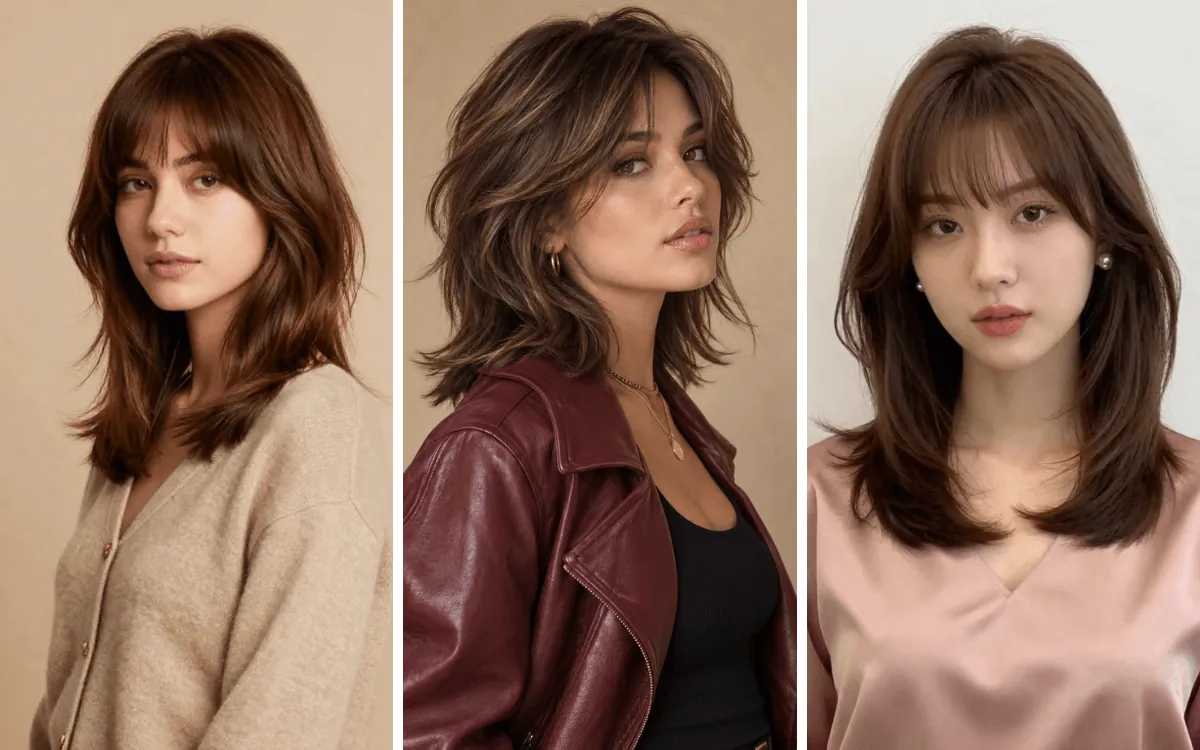
The wolf haircut showed up a few years back and just never really left. Part shag, part mullet, it’s built around one simple idea, short, choppy layers up top, longer length underneath, with enough contrast between the two to actually notice.
What makes it stick around isn’t just the look, though, it’s how well it adapts. Curly hair, straight hair, short or long, there’s a version of this cut that works.
This guide walks through what a wolf cut actually is, which hair types and lengths suit it best, and how to style one once you’ve got it. After that, you’ll find 20 ways to wear it.
What Is a Wolf Cut?
A wolf cut combines the layered shape of a shag with the longer, tapered look of a mullet. It has shorter layers around the crown, longer pieces through the sides and back, and a textured finish that gives the hair plenty of movement.
Key Features
- Shorter crown layers: The top is cut into shorter, choppy layers that add volume and lift.
- Longer back and sides: The hair stays longer toward the back and sides, creating the signature uneven shape.
- Face-framing layers: Many wolf cuts include curtain bangs or shorter pieces around the face.
- Textured finish: The layers give the style a slightly messy, effortless look instead of a smooth, even shape.
Is a Wolf Cut Right for Your Hair?
Here’s the thing about this cut, it genuinely works on more hair types than most trendy cuts do.
Curly hair actually does really well here. The layers give curls room to move instead of sitting in one heavy clump, and the natural volume at the crown works with the cut’s whole point instead of against it.
Straight hair shows the layer lines more clearly since there’s no texture to blur them together. This can look great, sharp and defined, but it also means you’ll probably need a round brush and some mousse to keep the crown from falling flat.
Thick hair benefits a lot from the heavy layering at the crown, it takes weight off without losing volume. Fine hair needs a lighter touch, fewer layers, more strategic placement, so the ends don’t end up looking sparse.
As for length, this cut works from a long pixie all the way to hair past your shoulders. Shorter versions need less upkeep. Longer ones show off the contrast between crown and length more dramatically.
How to Style a Wolf Cut
Day to day, this cut isn’t actually that demanding, but a few habits help it look its best.
For volume at the crown, dry your roots upside down or use a round brush lifting upward as you blow-dry. This is especially important on straight or fine hair, where the layers won’t naturally stand up on their own.
For texture, a bit of sea salt spray or texturizing paste worked through the ends brings out the choppy, piecey look this cut is known for. You don’t need much, a little goes a long way here.
On curly hair, skip the brush entirely once it’s dry. Scrunch in some curl cream while damp and let it air-dry or diffuse. Brushing curly layers after they’ve dried usually just creates frizz.
Second and third-day hair actually works in this cut’s favor. The layers hold texture better once there’s a little natural oil built up, so you might find yourself washing less often than you expected.
Growing It Out
If you decide you want to move away from a wolf cut eventually, the transition isn’t too painful.
Regular trims on just the crown layers keep them from getting shaggy while the rest of your hair catches up in length. Ask your stylist for a blended trim rather than a fresh cut, this softens the line between the shorter and longer sections instead of creating a new sharp contrast.
It will take some time for things to even out, but that depends on how quickly your hair grows. Until then, tying your hair up in a low ponytail or bun makes it easy to conceal any length differences.
20 Wolf Cut Styles to Try
1. Classic Shag Wolf Haircut
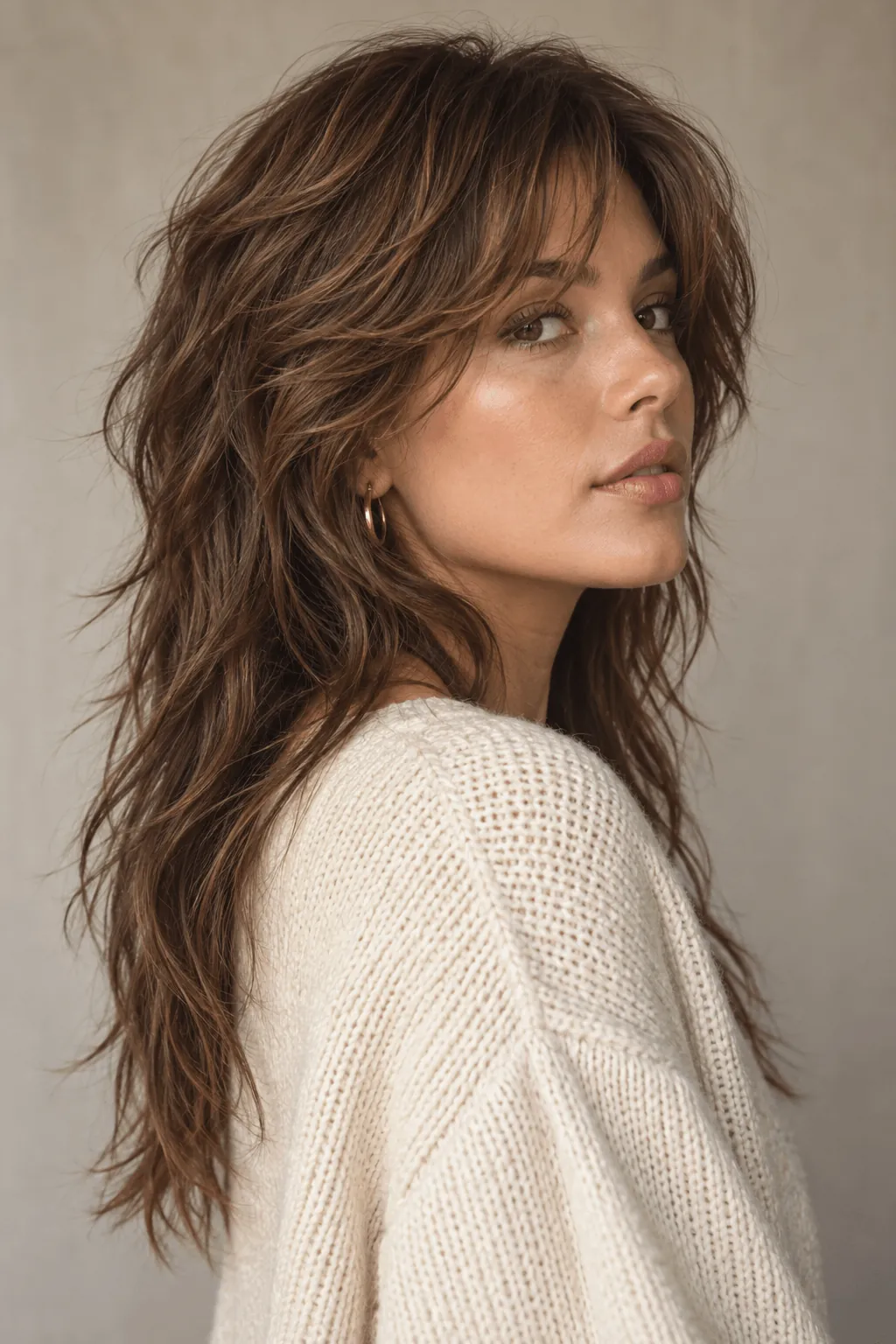
This is what comes to mind when one hears wolf cut. Layers build up from shorter at the crown, moving into longer, more relaxed length on the sides and back. Contrast is present, but it is moderate.
Good to Know: Ask for the layers to be cut close together at the crown specifically. That’s what gives this version its texture, spacing them out too much flattens the whole effect.
2. Short Wolf Haircut
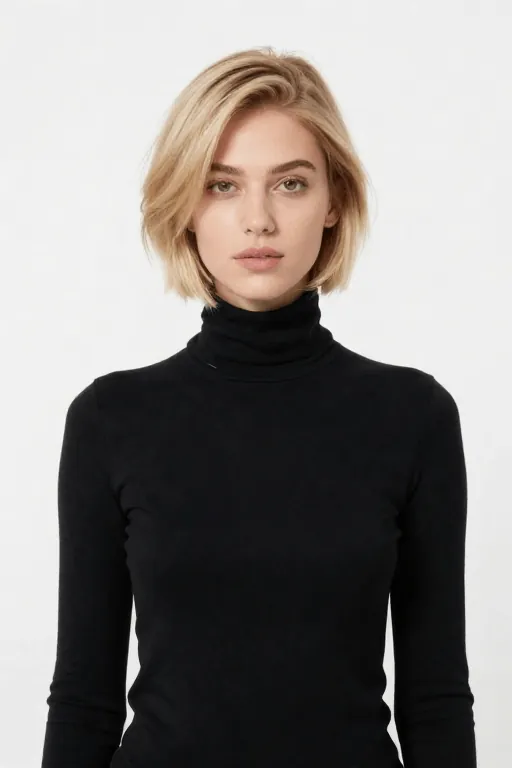
This style falls near the chin/jaw area while retaining the jagged top and cutting off a lot of the length beneath it. Shorter hairstyle but retains its texture.
Best For: Anyone who wants the wolf cut’s personality without much length to manage day to day.
3. Medium Wolf Cut
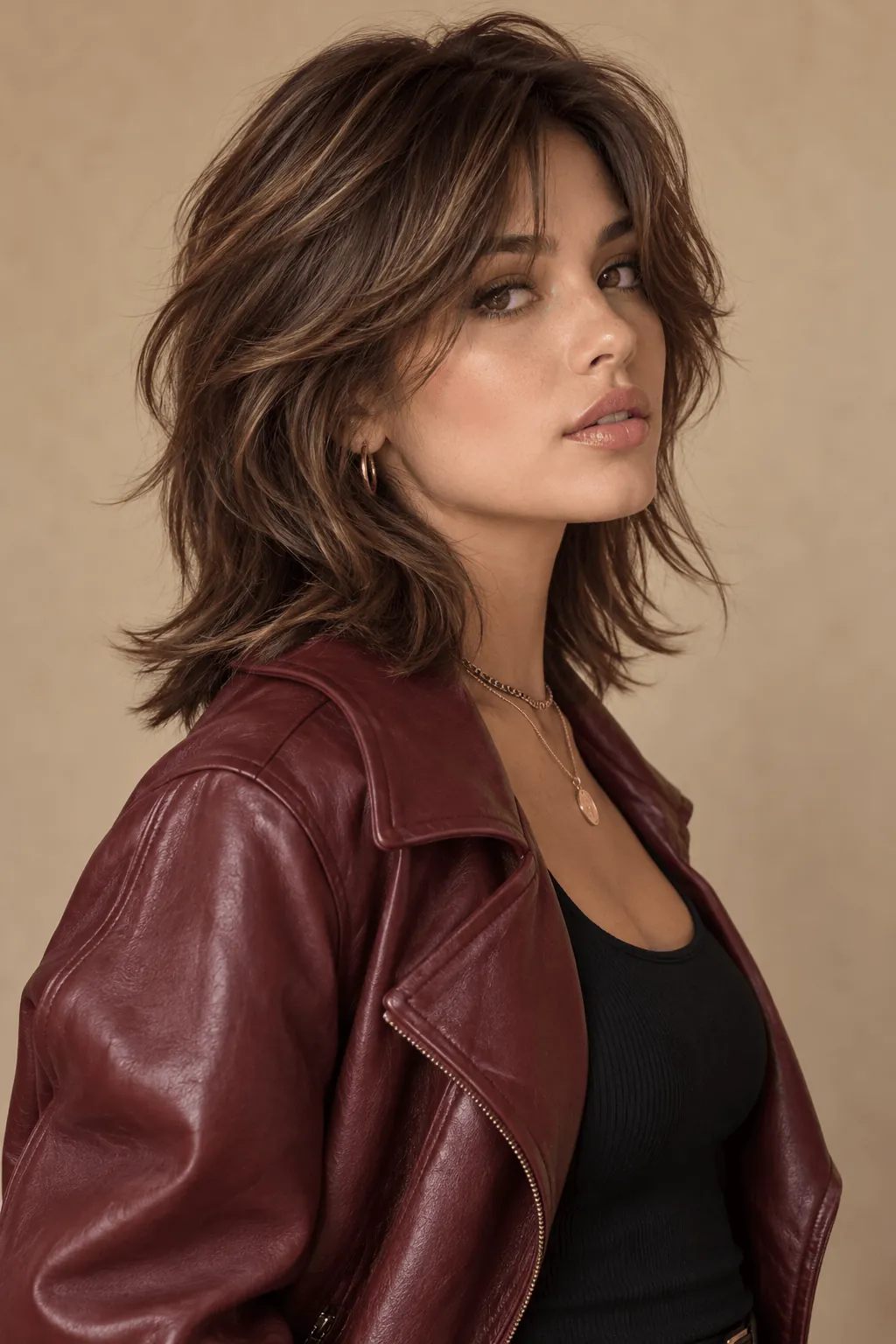
The medium wolf cut starts at the shoulder, consisting of short, choppy crown layers mixed with longer, textured layers. This gives a distinct shaggy look, without adding weight to the hair or requiring you to go shorter.
Who’s It For? Anyone wanting an ideal balance of layering between short and long.
4. Curly Wolf Cut
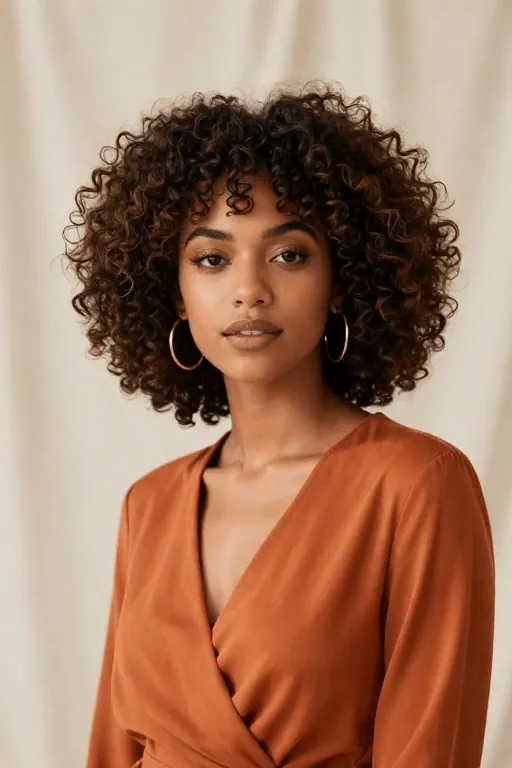
The curls themselves provide extra volume on top, and this style does not go against the way this happens but works with it. This makes it so the curls become divided into distinct sections.
Good to Know: Get this cut while your curls are dry, in their natural shrunken state. Cutting curly hair wet almost always leads to layers that end up shorter than planned once everything dries and bounces back up.
5. Long Wolf Cut
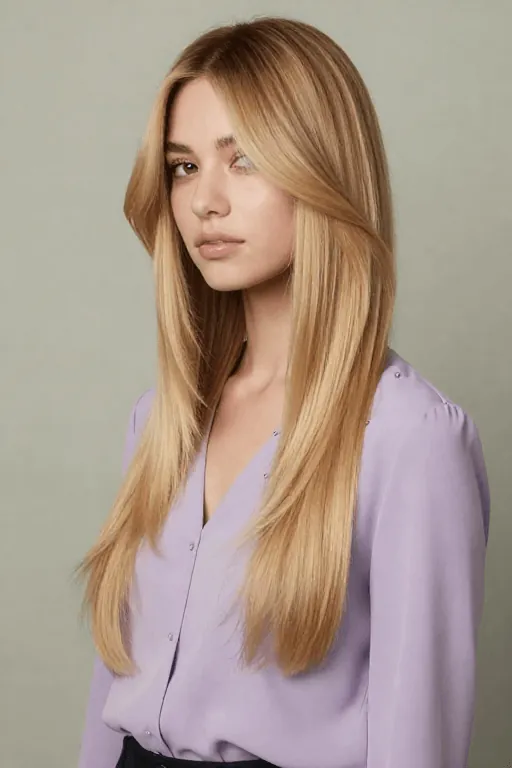
The length stays here, but the crown and sides receive plenty of layering to give the cut character. Instead of making the ends much shorter, the layering adds movement through the upper part of the hair. The result feels relaxed, not chopped.
Best For: Anyone who loves their length and just wants some texture added without cutting much off.
6. Wolf Cut Mullet
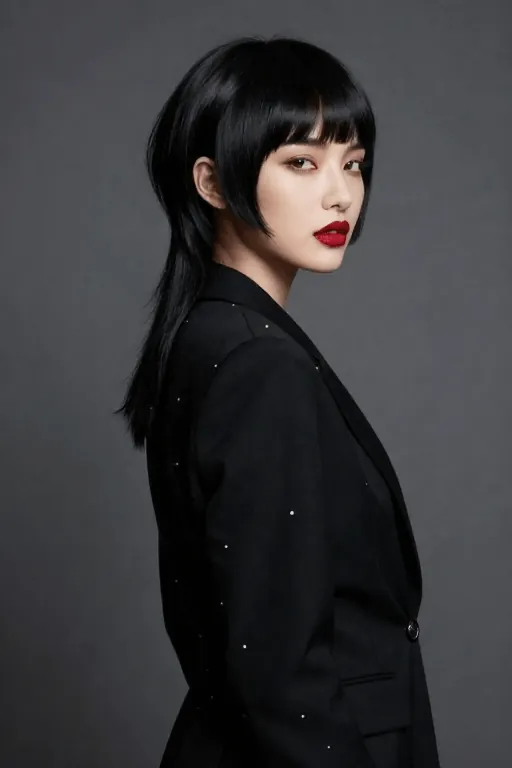
Push the contrast further, and you land here. The front and sides stay short, the back grows out noticeably longer, closer to a real mullet than a soft shag. Bolder, more of a statement than a standard wolf cut.
Good to Know: Ask your stylist to blend the line where short meets long. A hard, sudden edge reads as accidental instead of intentional.
7. Shag Wolf Cut
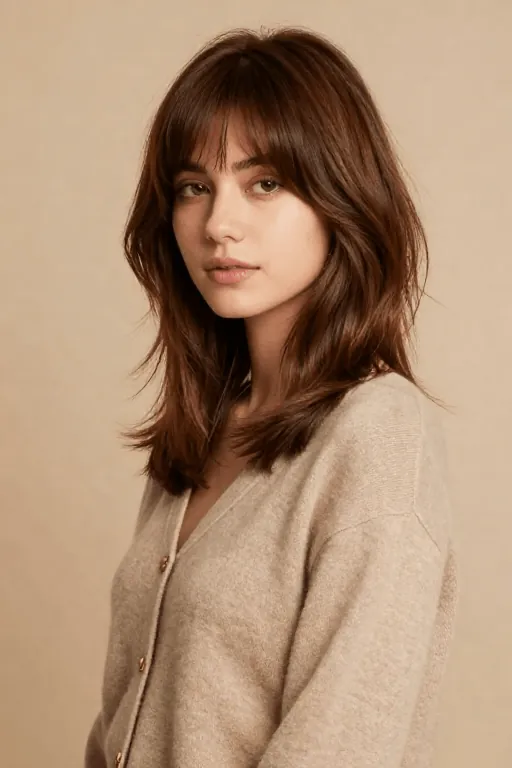
The layers are spread out over the head instead of being focused at the top. The whole look is softer, with a gradual change from short to long rather than a sudden drop in length that other styles have.
Best For: Movement and texture without a dramatic split between sections.
8. Layered Wolf Cut
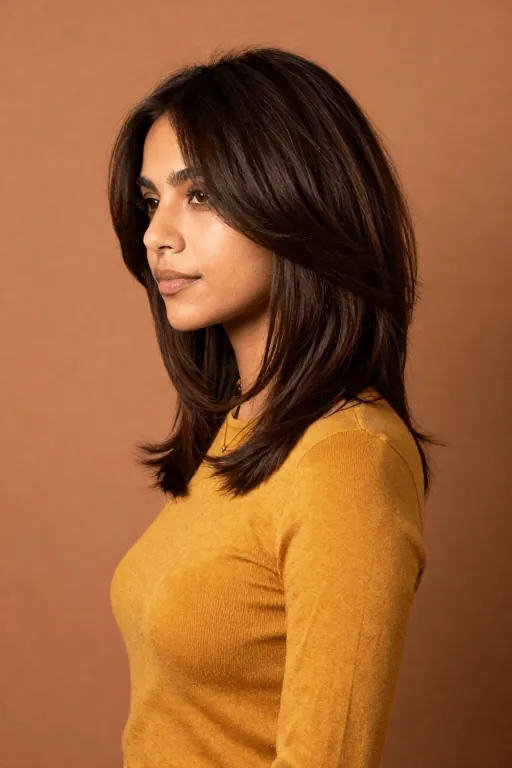
Several lengths of layers form from the crown to the sides, giving texture all over the silhouette rather than at only one part. Not as abrupt as a spiky haircut.
Good to Know: The shorter the layers should be, the closer they should be placed to the crown. In this way, the length of each layer increases as you go outwards.
9. Shaggy Wolf Cut
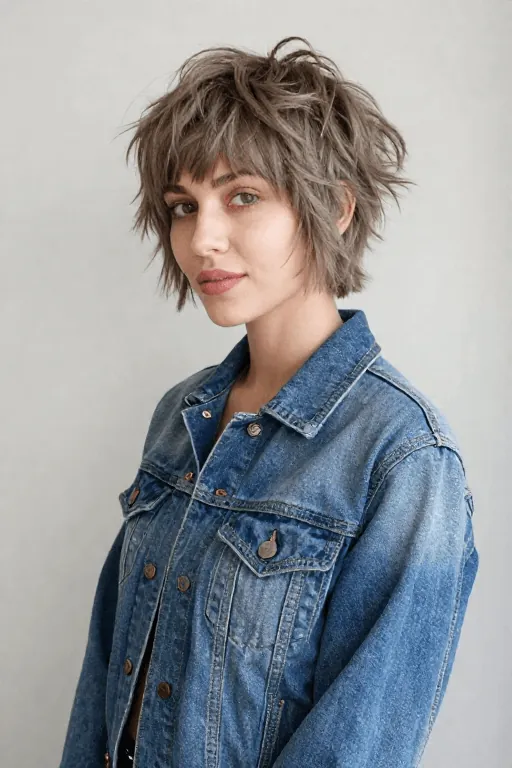
Razor-cut instead of scissor-cut, which roughs the ends up naturally. Loose, textured, and a bit undone by design, this version doesn’t chase a polished finish.
Good to Know: Skip the flat iron here. The roughness is the whole point, smoothing it out defeats the purpose.
10. Wolf Cut for Thick Hair
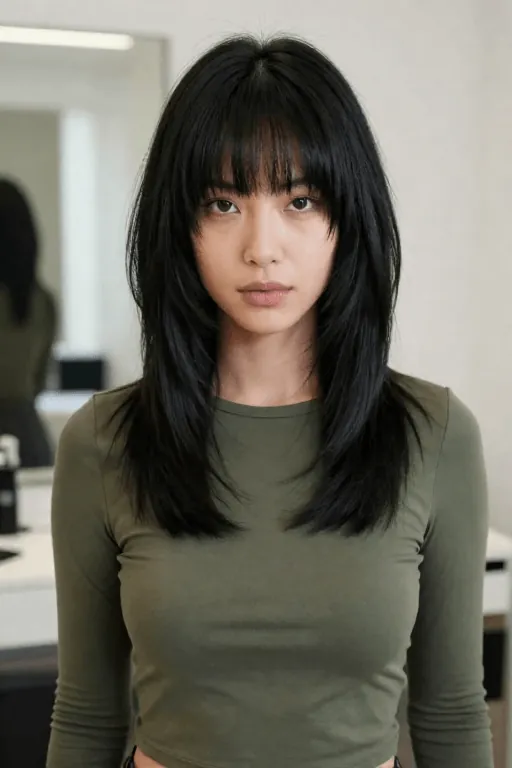
Heavy layering at the crown helps reduce the bulk that thick hair often has and keeping enough length underneath ensures the look stays balanced instead of feeling too top-heavy.
Best For: Thick, dense hair that feels heavy or hard to manage at one uniform length.
11. Wolf Cut for Fine Hair
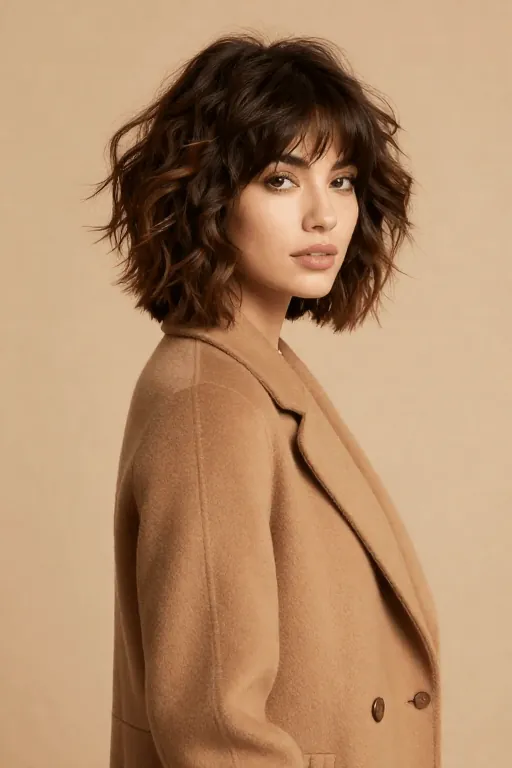
Layers, more strategic layers do better here than heavy texturizing. Heavy texturizing can make fine hair look sparser, not fuller. The focus stays on lift at the crown. Lift is more important, than removing weight.
Good to Know: Ask for layers that start a bit lower than usual. Starting too high near the crown can leave the ends looking thin on finer hair.
12. Wavy Wolf Cut
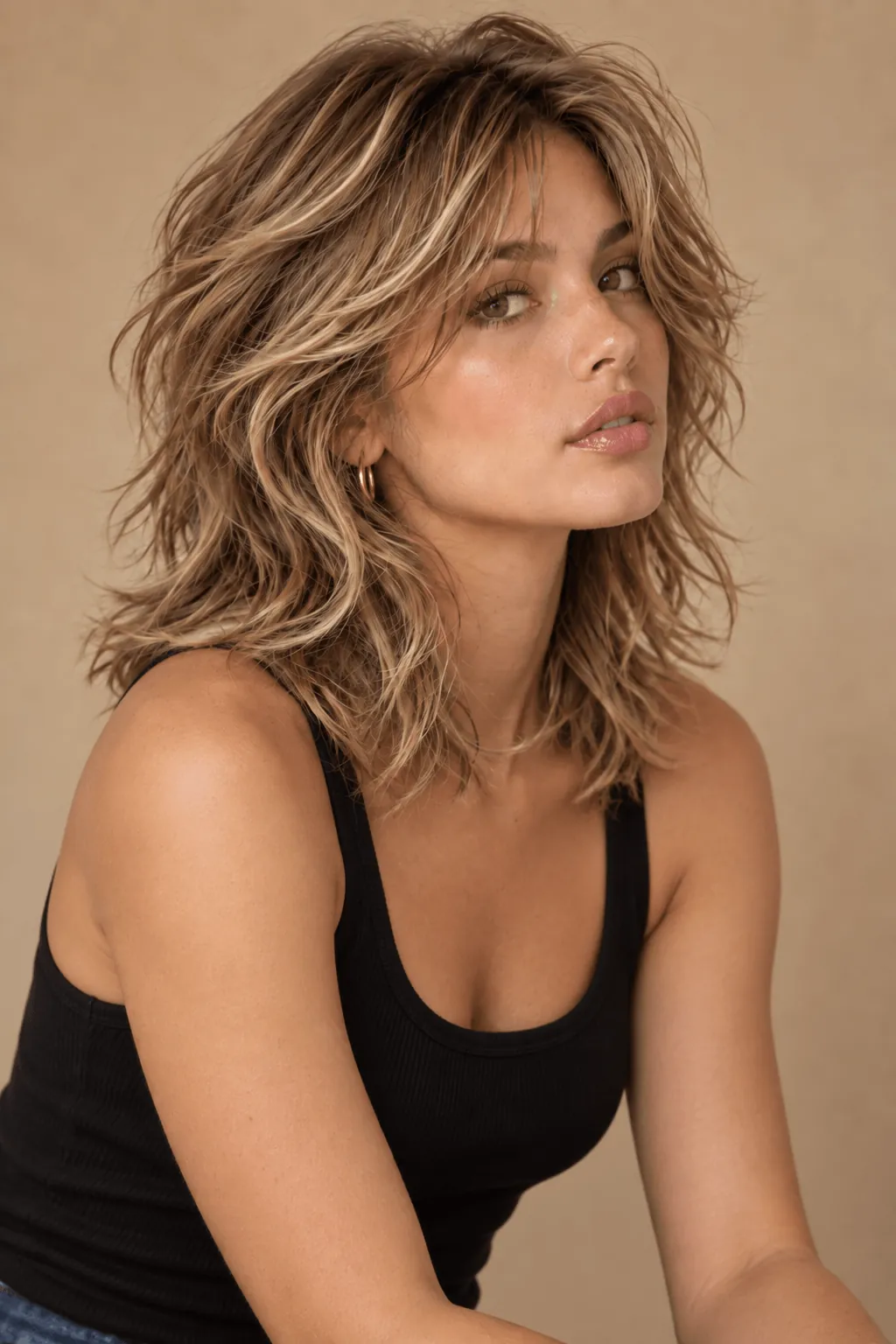
Natural wave works with the choppy layers instead of against them, picking up extra lift at the crown without much extra effort. Feels relaxed, a little undone, easy to wear.
Good to Know: Air-drying works well with this one. The wave does most of the texturizing on its own.
13. Straight Wolf Cut
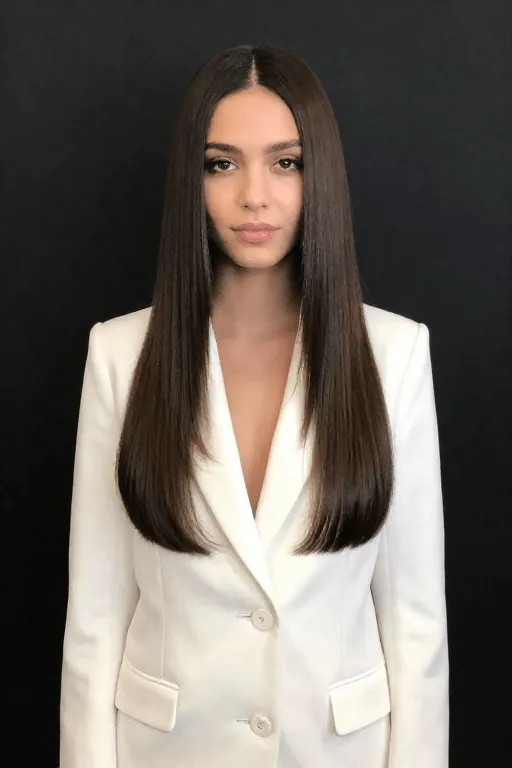
No curl or wave to soften things, so every layer line stays visible. Reads sharper and more defined than textured versions.
Good to Know: A round brush with some volumizing mousse at the roots keeps this from going flat by afternoon.
14. Wolf Cut with Curtain Bangs
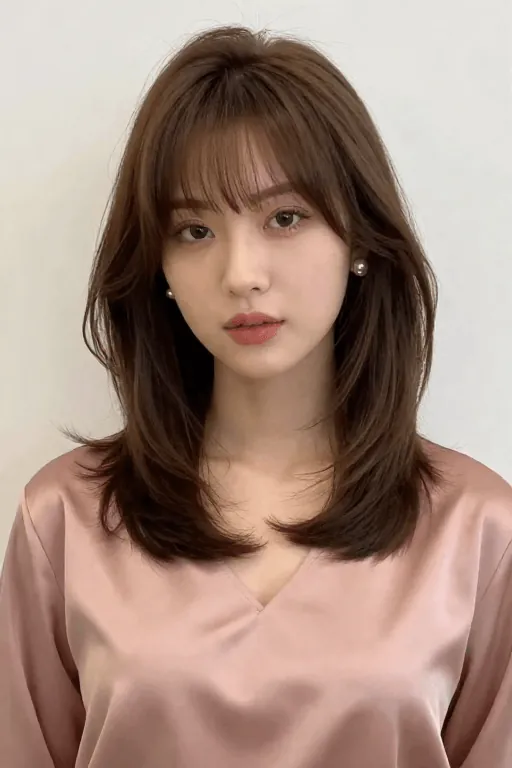
Soft, center-parted bangs blend into the layers instead of sitting apart as their own section. For more ways to style curtain bangs specifically, our curtain bangs guide covers a lot more ground.
15. Wolf Cut Without Bangs
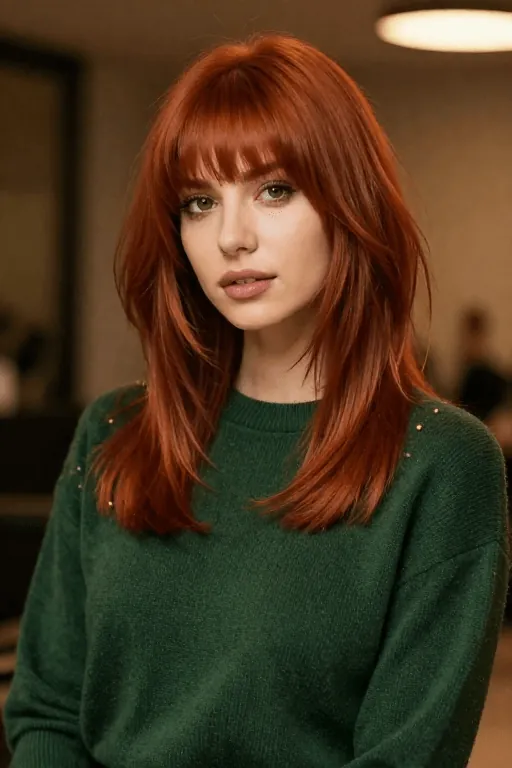
No bangs are worn, and the forehead is left open. The short-layered crown takes care of most of the visual appeal all by itself.
Best For: Growing out bangs, or anyone who prefers a fringe-free front.
16. Wolf Pixie Cut
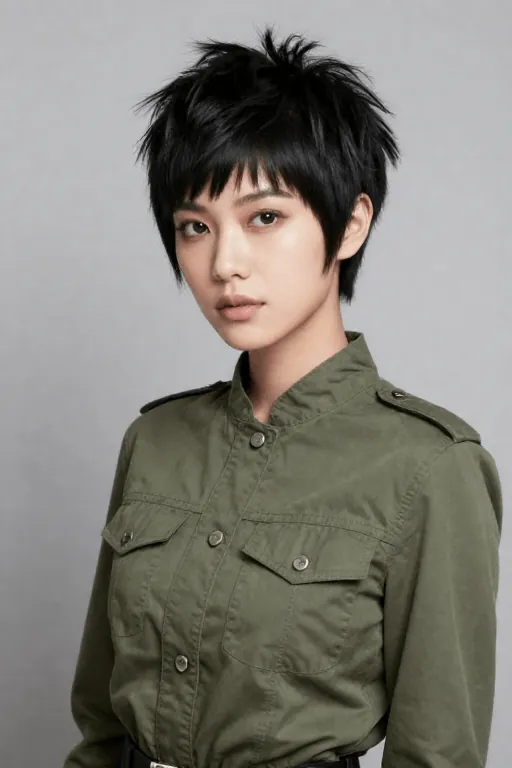
Brings the wolf cut’s texture into pixie-length territory. Crown stays choppy and full of movement, everything else stays short all around.
Best For: Wolf cut energy in a much lower-maintenance package.
17. Wolf Cut with Balayage
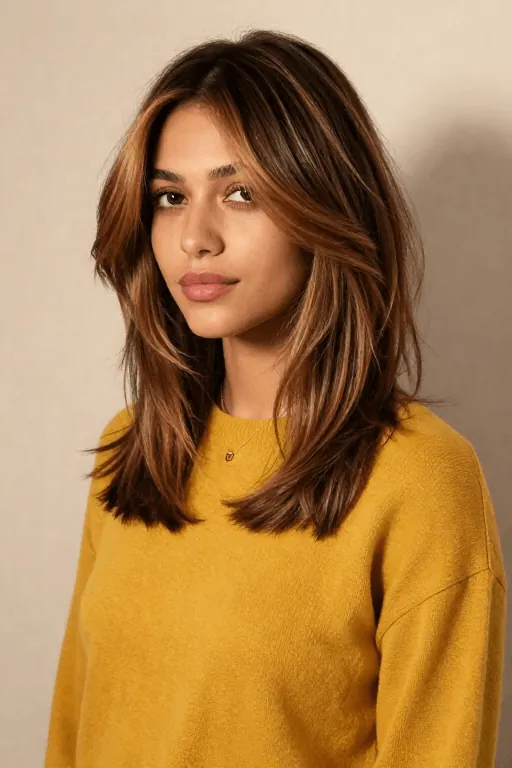
The hand painting of colors adds another dimension to layers that are textured anyway. Because the colors follow the layer lines instead of lying flat, each piece receives light in a slightly different way. Curious how placement works here? Our balayage guide breaks down a few approaches.
18. Low-Maintenance Wolf Cut
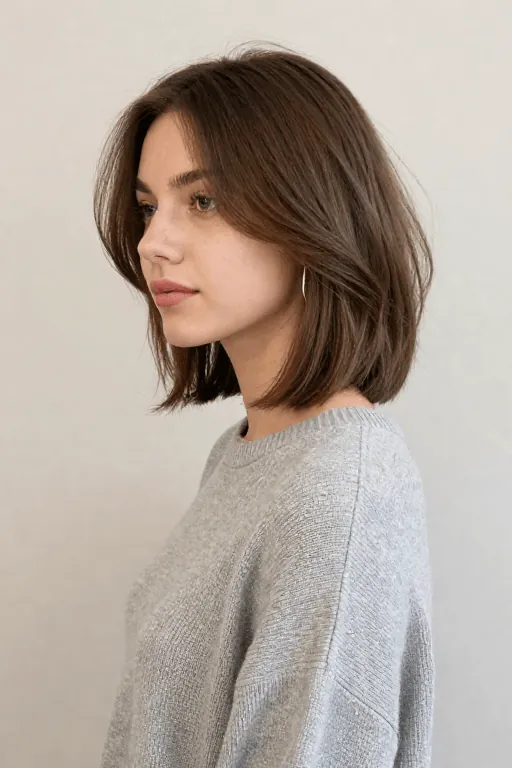
Softer layers blend together smoothly growing out evenly. This avoids lines so you don’t have to go back as often to fix the shape.
Best For: Anyone who wants the texture without frequent touch-ups.
19. Wolf Cut with a Middle Part
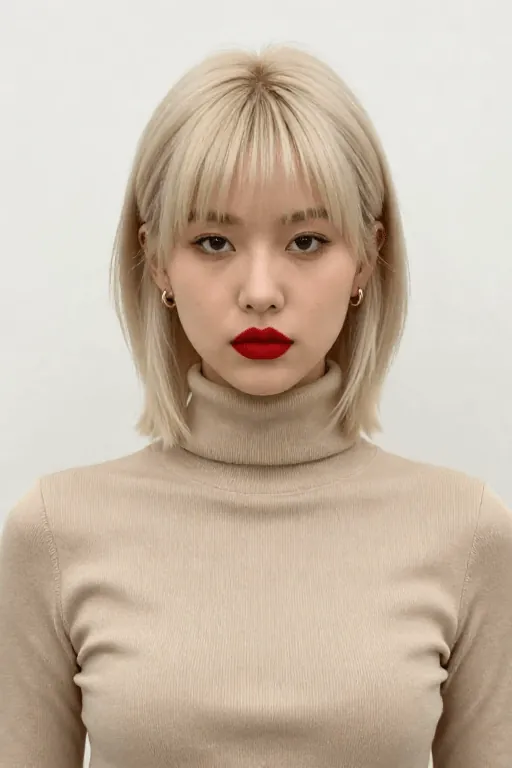
Center section divides the crown equally on both sides rather than concentrating all of the volume in one direction. More balanced and a bit more refined.
Good to Know: Middle parts show more scalp at the root than side parts do. A root-lifting spray helps if that area starts looking flat.
20. Wolf Cut with a Nape Undercut
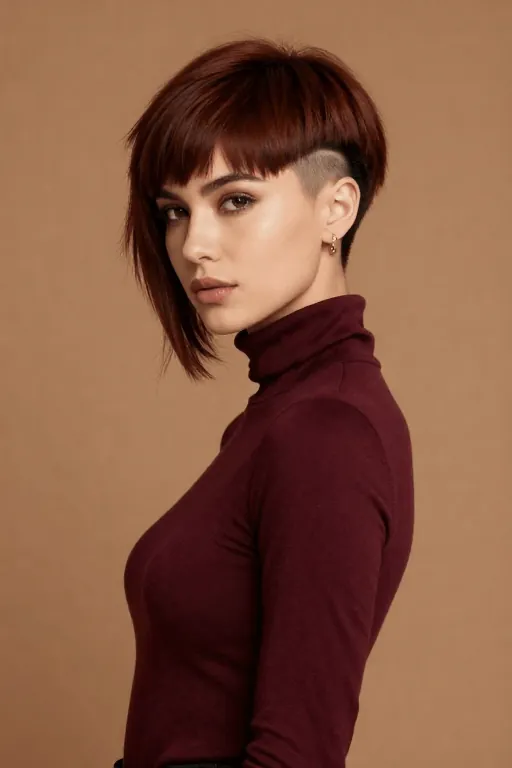
The nape is trimmed short or shaved and positioned underneath the longer hair. When viewed from the front, this style appears to be an ordinary wolf cut; the undercut can only be seen when the hair moves or is pulled back.
Good to Know: This works best on hair that’s at least shoulder-length. Shorter cuts don’t leave enough length on top to hide the undercut underneath.
Frequently Asked Questions
More hair guides you might like
 Hair Color25 Trendy Hair Color Ideas for a Fresh New Look
 Hairstyles20 Goddess Braid Hairstyles You’ll Want to Copy
 Hair Color15 Hair Color Ideas on Brown Skin That Look Rich and Bright
 Hair Color20 Balayage Hair Colors That Never Go Out of Style
 Hairstyles25 Best Braided Hairstyles: Every Type of Braid to Try in 2026
 Nail Colors/TrendsWinter Nail Ideas: 20 Stylish Designs for the Cold Season
 Plus Size Outfits13 Plus Size Baddie Outfit Ideas That Feel Fresh and Confident
- Free toolHair Type QuizFind your curl pattern from 1A to 4C, with a routine and the cut to ask for.Take the quiz
Final Thoughts
Twenty takes on one basic idea, short layers up top, longer length underneath, and how far you push that gap is really the only thing that changes from one version to the next. Curly or straight, short or long, there’s enough range here that almost anyone can find a version that fits.
Bring a photo to your stylist and talk through how dramatic you want that contrast between the crown and the length. That conversation shapes the outcome more than anything else.
Keep reading: the shag haircut guide it borrows from, curtain bangs if you want the fringe version, and pixie cuts if you are tempted to go shorter.