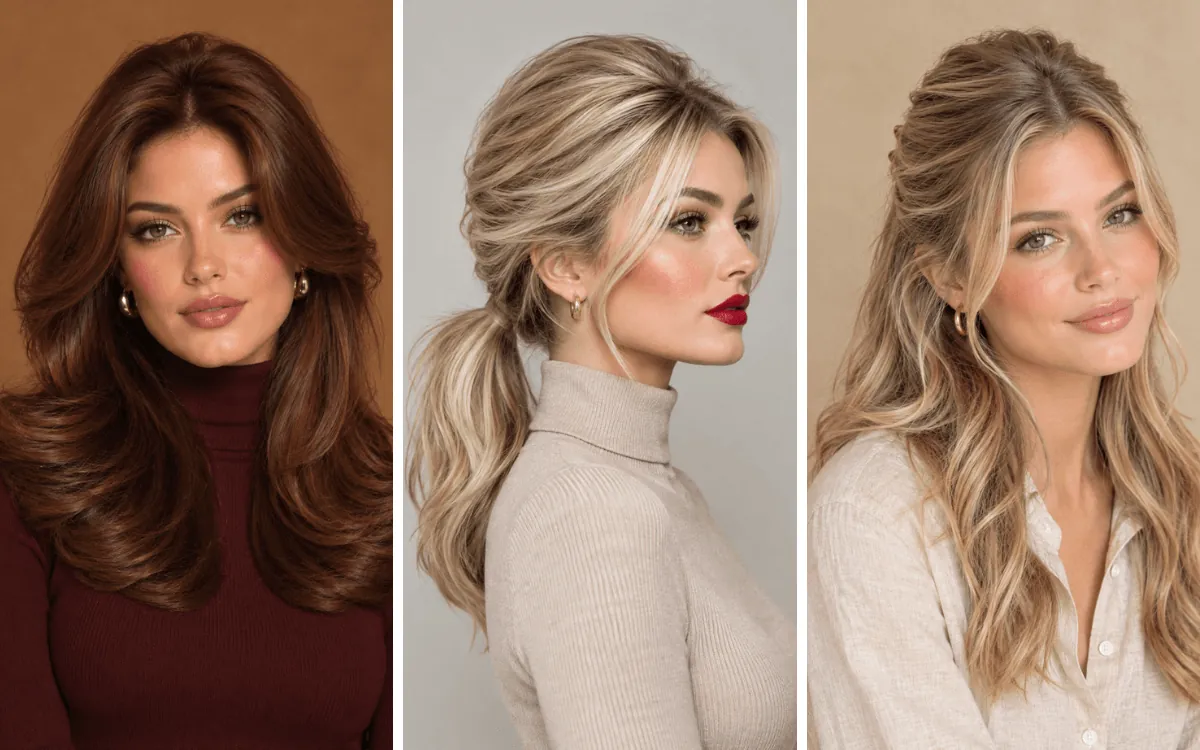
Thin hair gets blamed for a lot that’s actually just the wrong cut or the wrong routine. Give it the right layers, the right products, and a technique or two, and it can look a lot fuller than it actually is.
This guide walks through why thin hair tends to fall flat in the first place, which products and tools are worth your money, and how to style it day to day. After that, you’ll find 15 hairstyles for thin hair built specifically with finer hair in mind.
Why Thin Hair Looks Flat
A few things are usually working against you here, and none of them are really your fault.
Gravity is the biggest one. The less hair you have per square inch of scalp, the less resistance there is to hold it up, so it just falls straight down instead of building any shape at the roots.
Product buildup makes it worse. Heavy conditioners and rich styling creams coat each strand and weigh it down even further, which is the opposite of what you want when volume is already limited.
And then there’s the cut. A one-length, blunt haircut with no layering puts all the weight at the bottom, which drags everything down and leaves nothing happening up top. That’s usually the first thing worth fixing, before any product or tool gets involved.
None of this means thin hair is stuck looking flat forever. It just means the usual tricks, more product, longer hair, don’t actually solve the problem. Different techniques do.
Products and Tools That Help
Not everything marketed for volume actually delivers it, so here’s what tends to make a real difference.
Root-lifting spray goes in at the roots on damp hair, before any blow-drying starts. It coats the hair near the scalp specifically, giving it a bit of texture to grip onto instead of falling flat immediately.
Dry shampoo isn’t just for oily roots. A light dusting at the roots on freshly washed hair actually adds grip and texture, which helps volume hold longer than it would on squeaky-clean strands.
A round brush used while blow-drying lifts hair at the root as it dries, training it to sit up rather than lying flat. Go for a smaller barrel size. It creates more lift than a larger one.
Texturizing spray works on the sections and the ends of the hair, giving it hold without making it feel heavy like the thicker creams do.
What to avoid: oils, thick conditioners that are left on for too long and anything that says “smoothing,” because smooth usually means flatter, and that is not good for thin hair specifically.
Daily Styling Techniques
A few small habits will make more difference than any one product.
Dry your roots first, upside down. Flip your head over while blow-drying just the roots. This one change adds more volume than almost anything else on this list, and it takes maybe two extra minutes.
Tease lightly at the crown. A small section teased at the root, then smoothed over on top, builds lasting lift without looking obviously done. This works especially well before an updo or ponytail.
Use a wide-tooth comb, not a brush, for detangling. Brushing wet, fine hair too aggressively causes breakage over time, which only makes thinness more noticeable.
Sleep on a silk or satin pillowcase. Cotton pulls moisture and creates friction overnight, both of which lead to more breakage on already-fragile strands.
Wash less often than you think you need to. Overwashing strips natural oils that actually give fine hair some grip. Every two to three days is usually enough, even if it feels strange at first.
15 Hairstyles for Thin Hair
1. Long Layered Cut
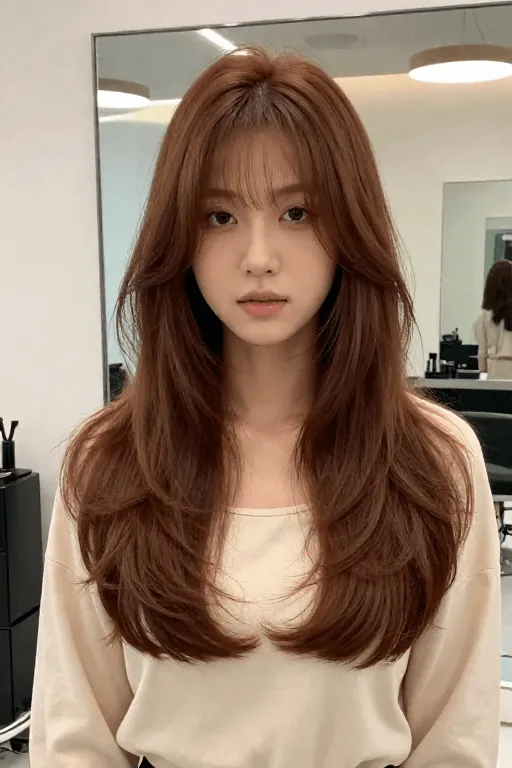
Layers throughout the length remove some of the weight that drags hair down flat, letting the ends move instead of sitting like a heavy curtain.
Good to Know: Ask for layers that start around chin length rather than up near the crown. Starting too high can leave the ends looking sparse. Our hair length chart shows where chin, shoulder and collarbone lengths sit.
2. Textured Lob
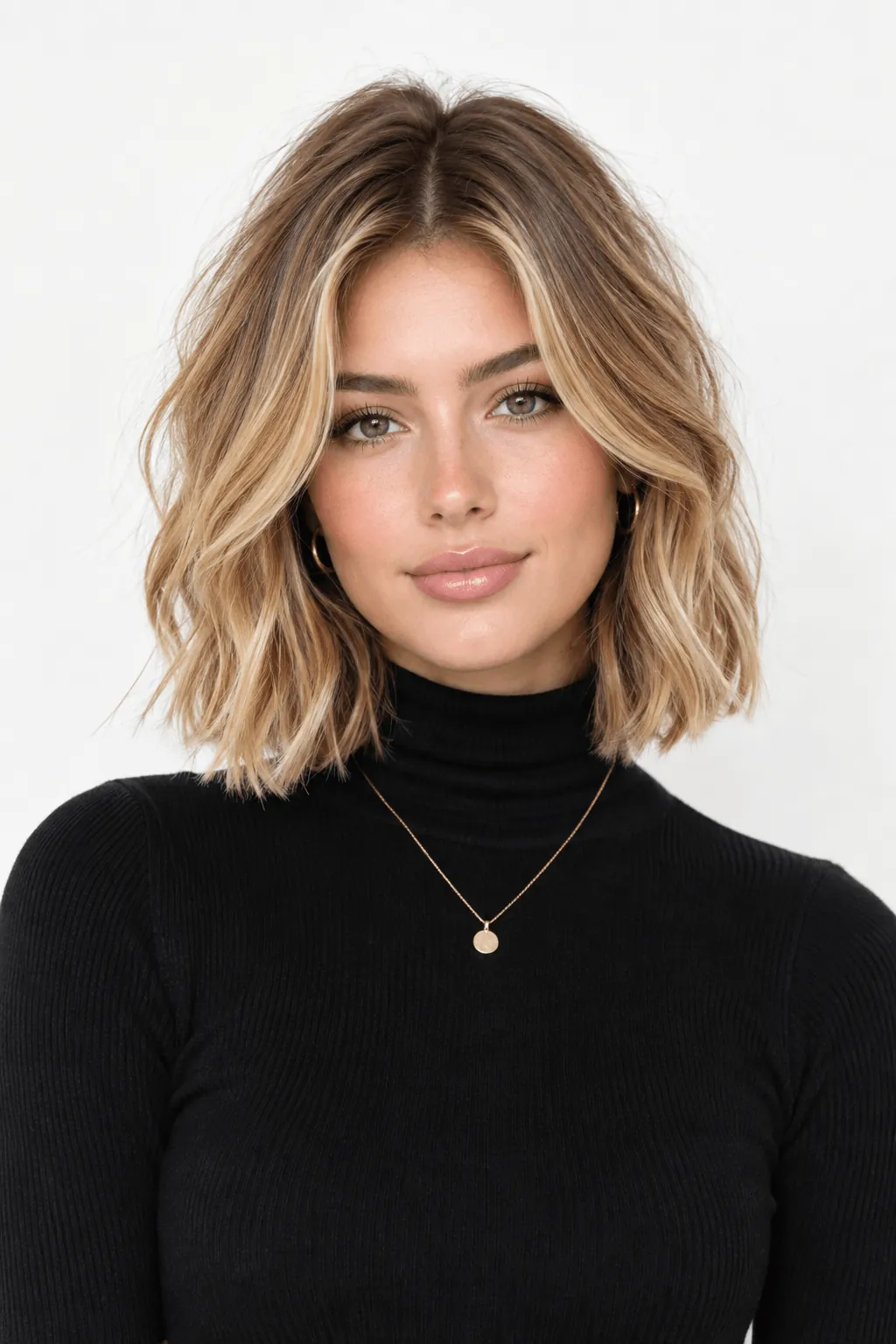
The lob that is shorter than a bob but longer than shoulder length will be perfect for thin hair. A short lob reduces the weight dragging everything down.
Best For: Anyone who wants a noticeable change without going dramatically short.
3. Root-Lifting Blowout Part
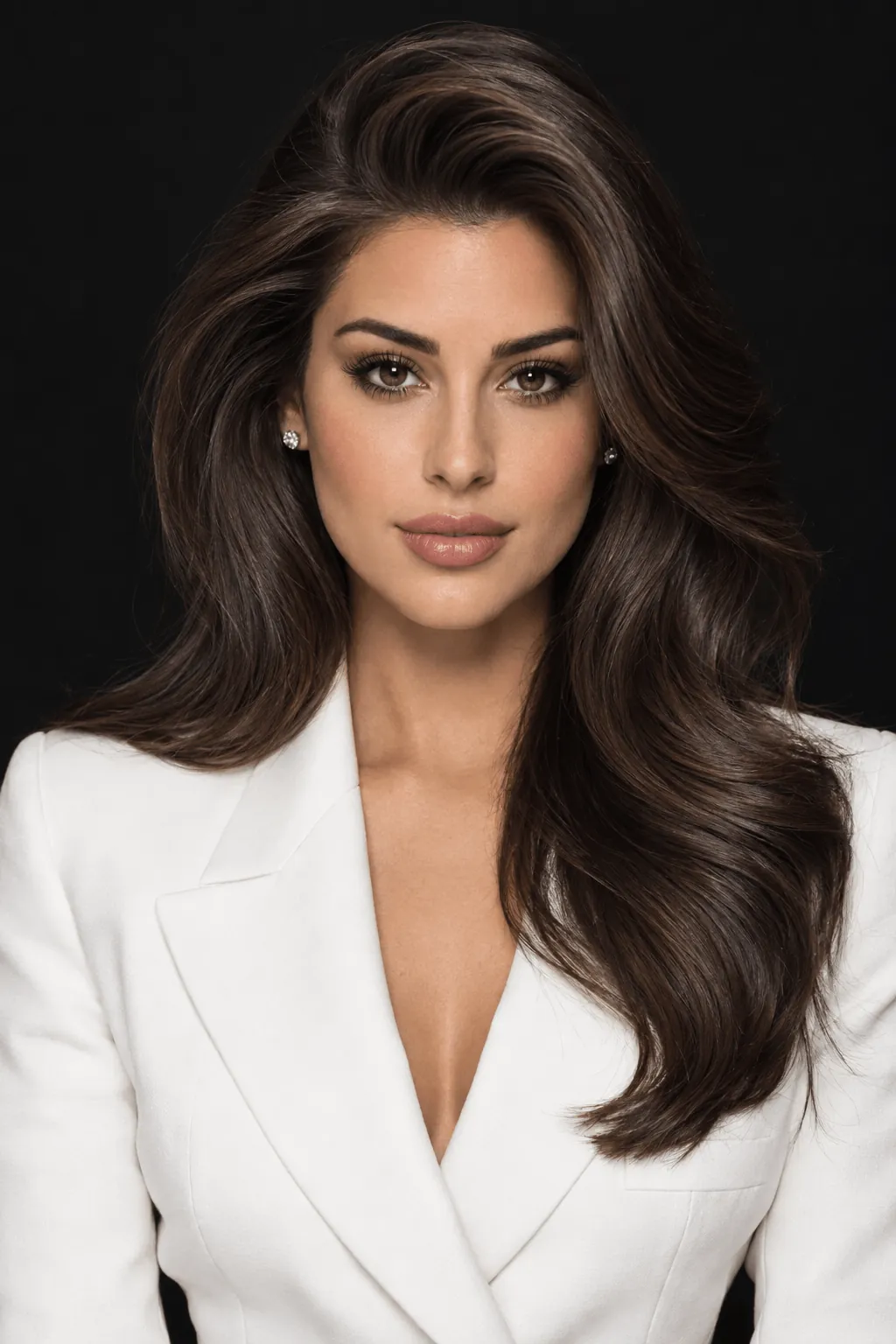
This style focuses on the part line, brushed slightly off-center and blow-dried to add lift right at the root along that line. The uneven parting by itself changes how much volume appears in the front.
Good to Know: Switch the direction of your part every few washes. A part held in the same spot for too long can start to show thinning along that exact line.
4. Side-Swept Bob
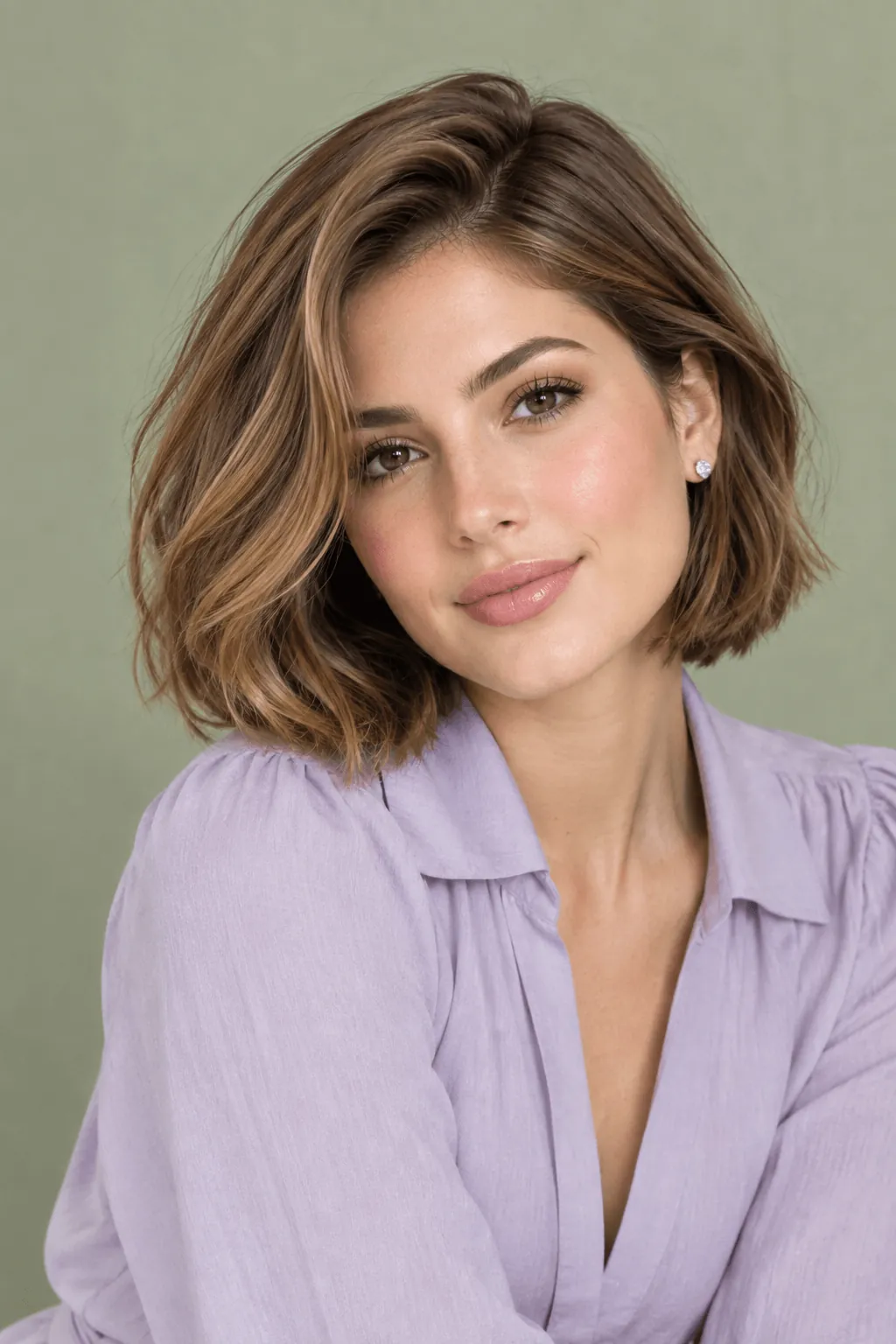
A deep side part moves hair to one side, giving the look of thicker, fuller hair. It’s not about adding hair. It’s about spreading the hair unevenly. This simple change makes the hair appear voluminous.
Good to Know: Switch which side you part on every few weeks. Hair parted the same way for months can start growing thinner right along that line.
5. Low Ponytail with a Teased Crown
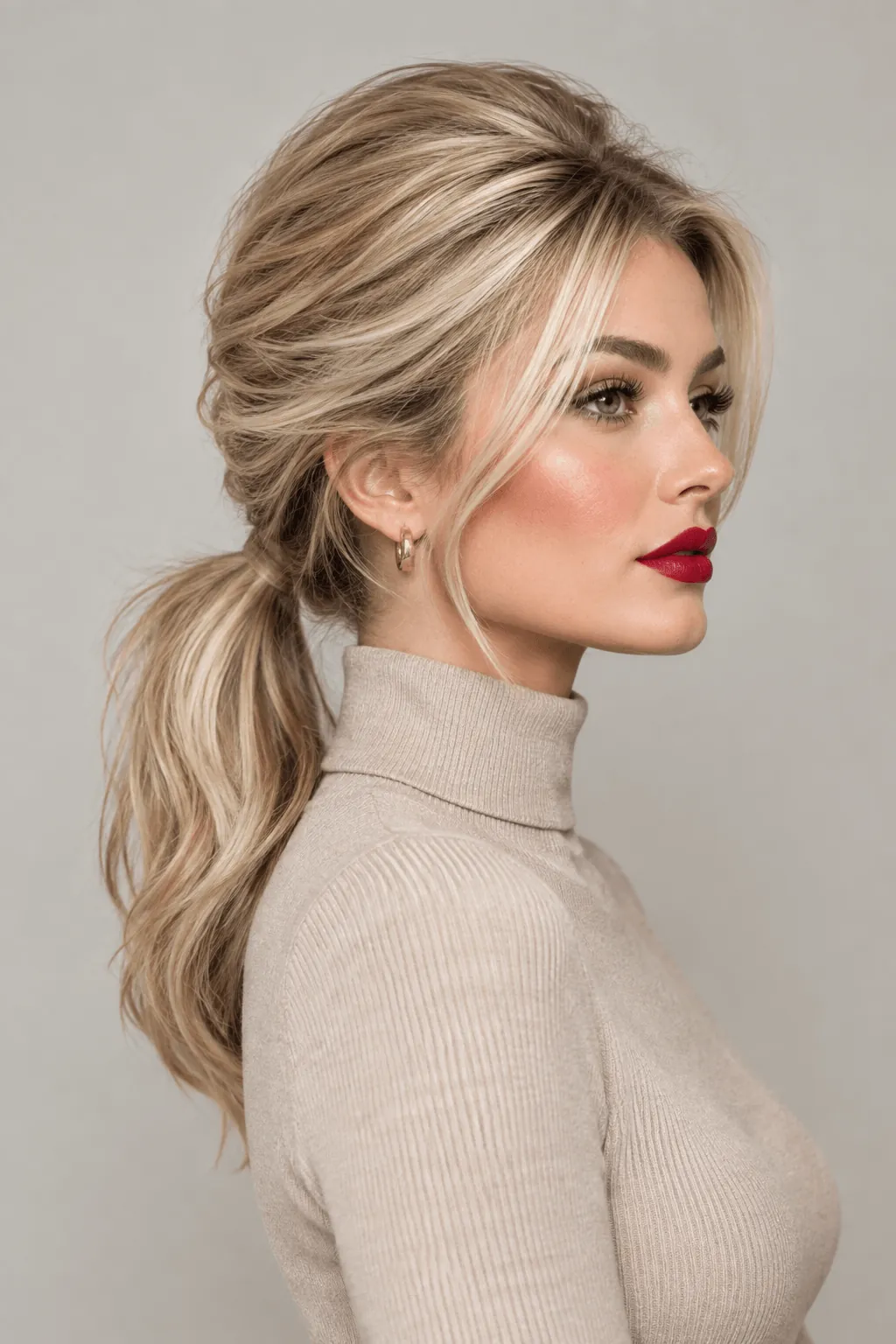
Teasing the top part of the hair before pulling the rest back adds volume in the area where thin hair tends to look the flattest. The low ponytail makes the rest of the hair look smooth and neat.
Best For: A polished everyday look that still has some lift to it.
6. Soft Waves
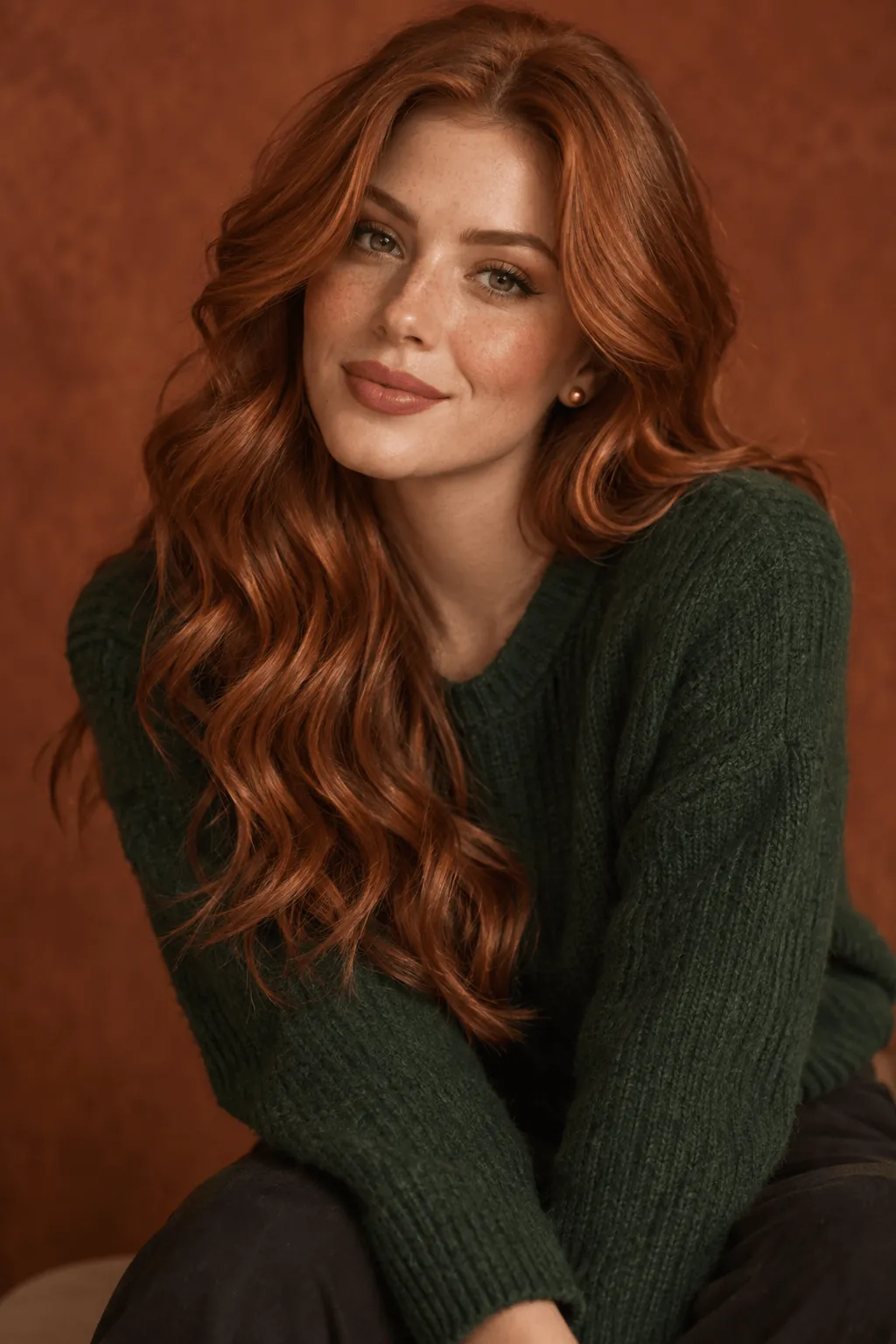
Loose waves from a curling iron add texture and separation that straight, flat hair doesn’t have on its own. The bend in each strand creates the illusion of more density.
Good to Know: Use a larger barrel, around one and a half inches, for waves that look natural instead of obviously curled.
7. Half-Up Style
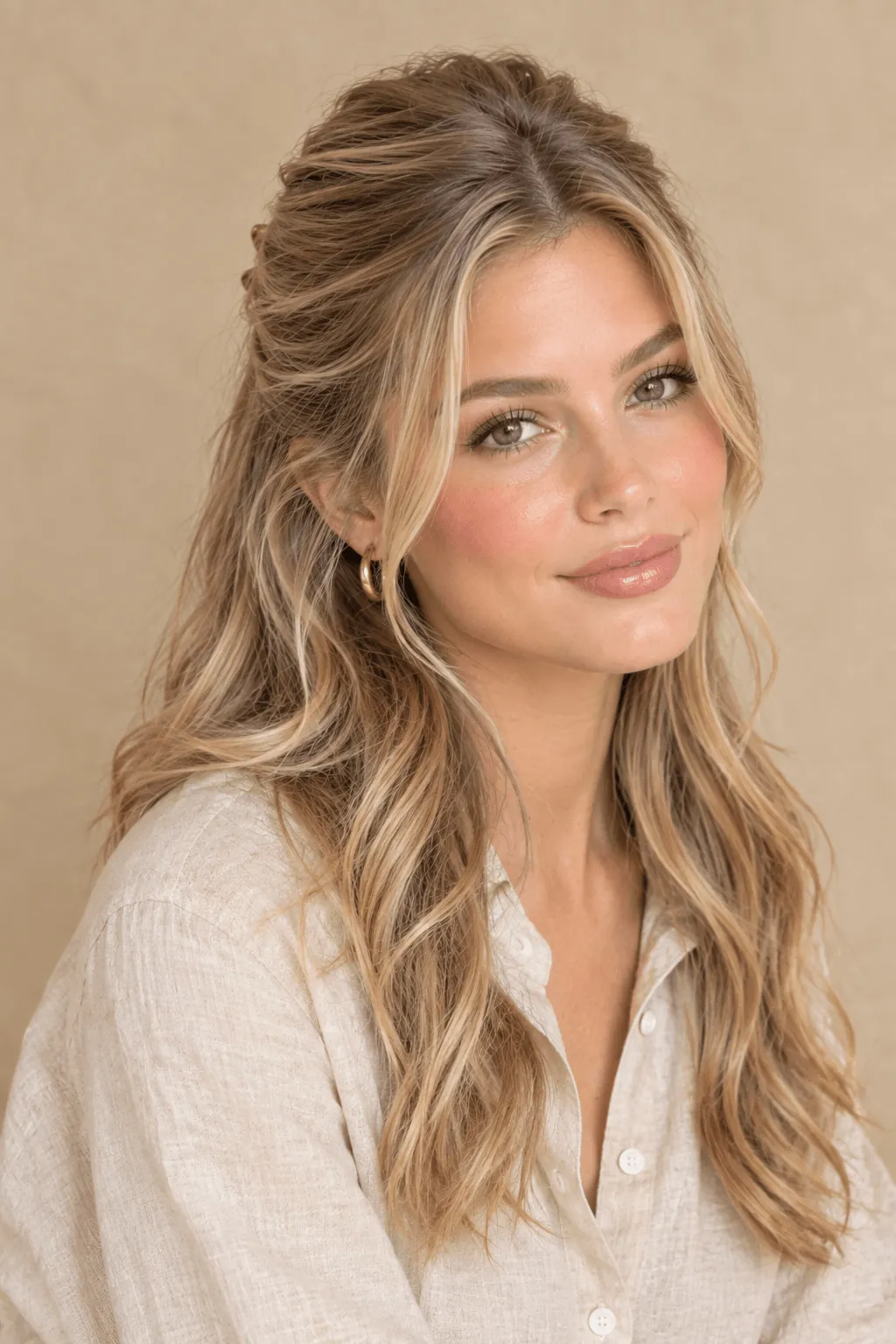
Pulling the top part of your hair back and styling it provides lift to the crown portion of your hair while keeping the rest loose.
Best For: Busy mornings when a full hairstyle feels like too much effort.
8. Blunt Bob
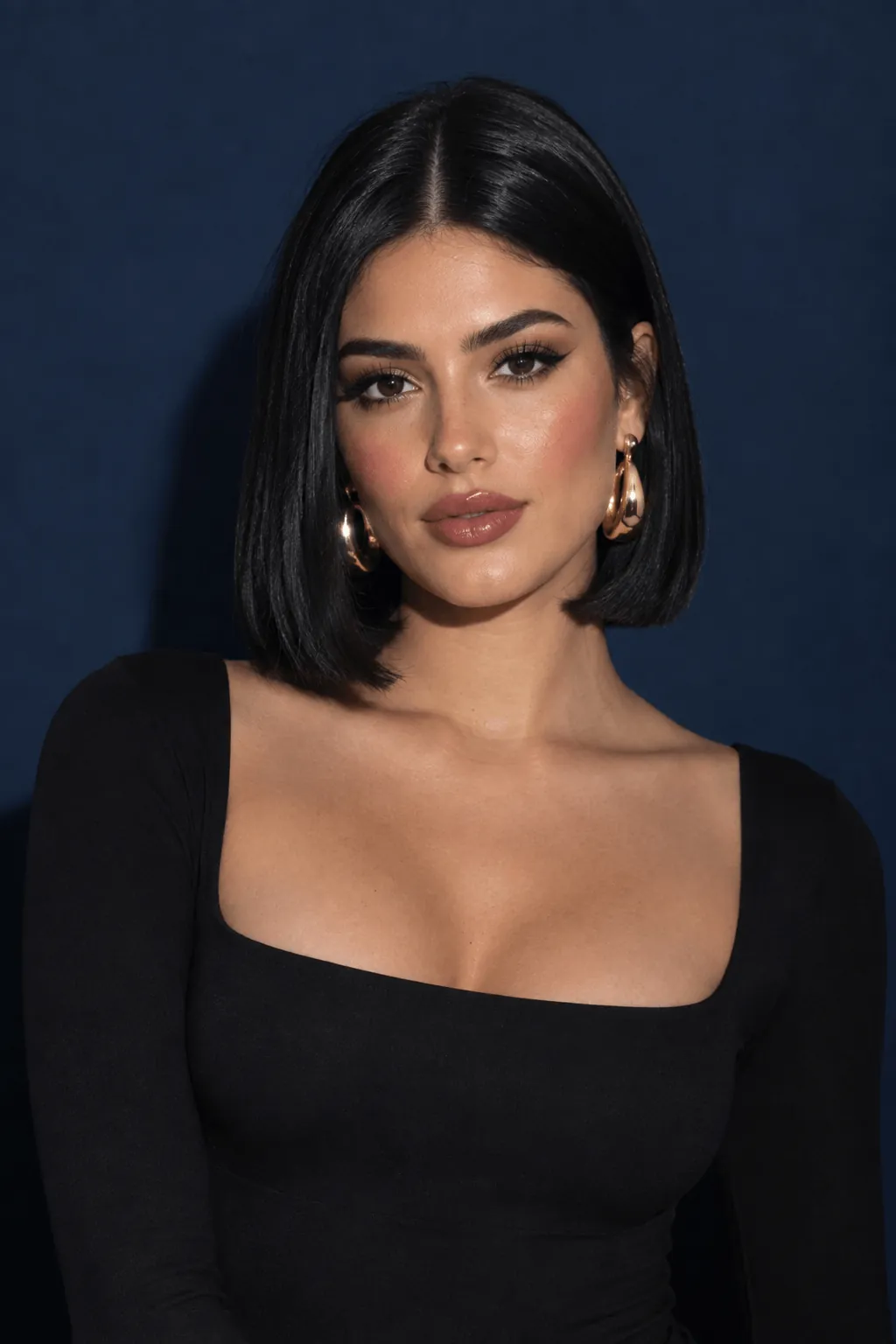
Counterintuitively, a one-length blunt cut can work for thin hair, since it concentrates what hair you have into one solid line instead of thinning it out further with heavy layers.
Good to Know: This works best on hair with at least some natural thickness. Very fine hair usually still benefits more from layers.
9. French Braid Crown
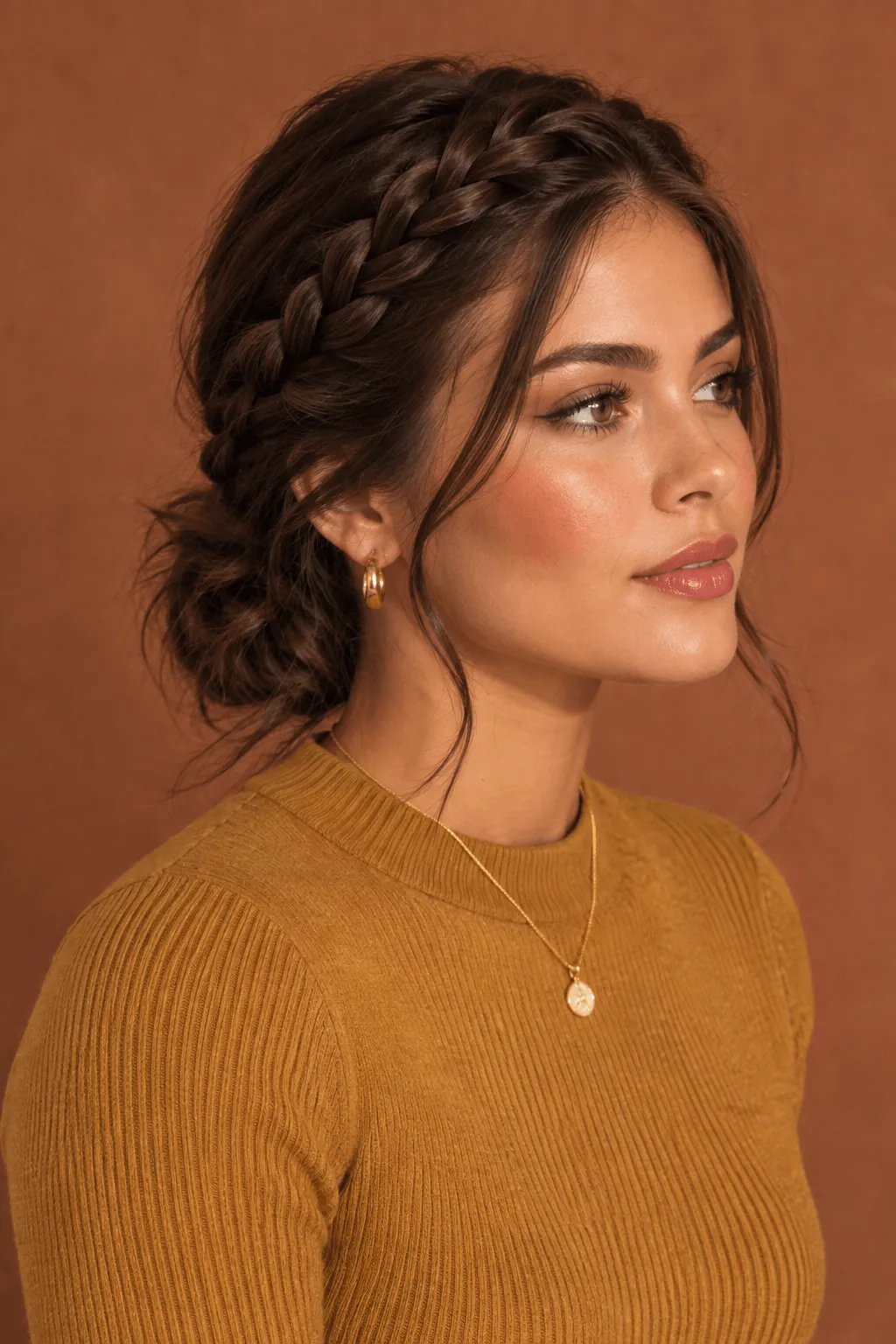
A braid running along the hairline adds visible texture and takes attention away from thinner areas, while also keeping hair off your face.
Best For: Second or third-day hair that needs a refresh without a full wash.
10. Face-Framing Layers
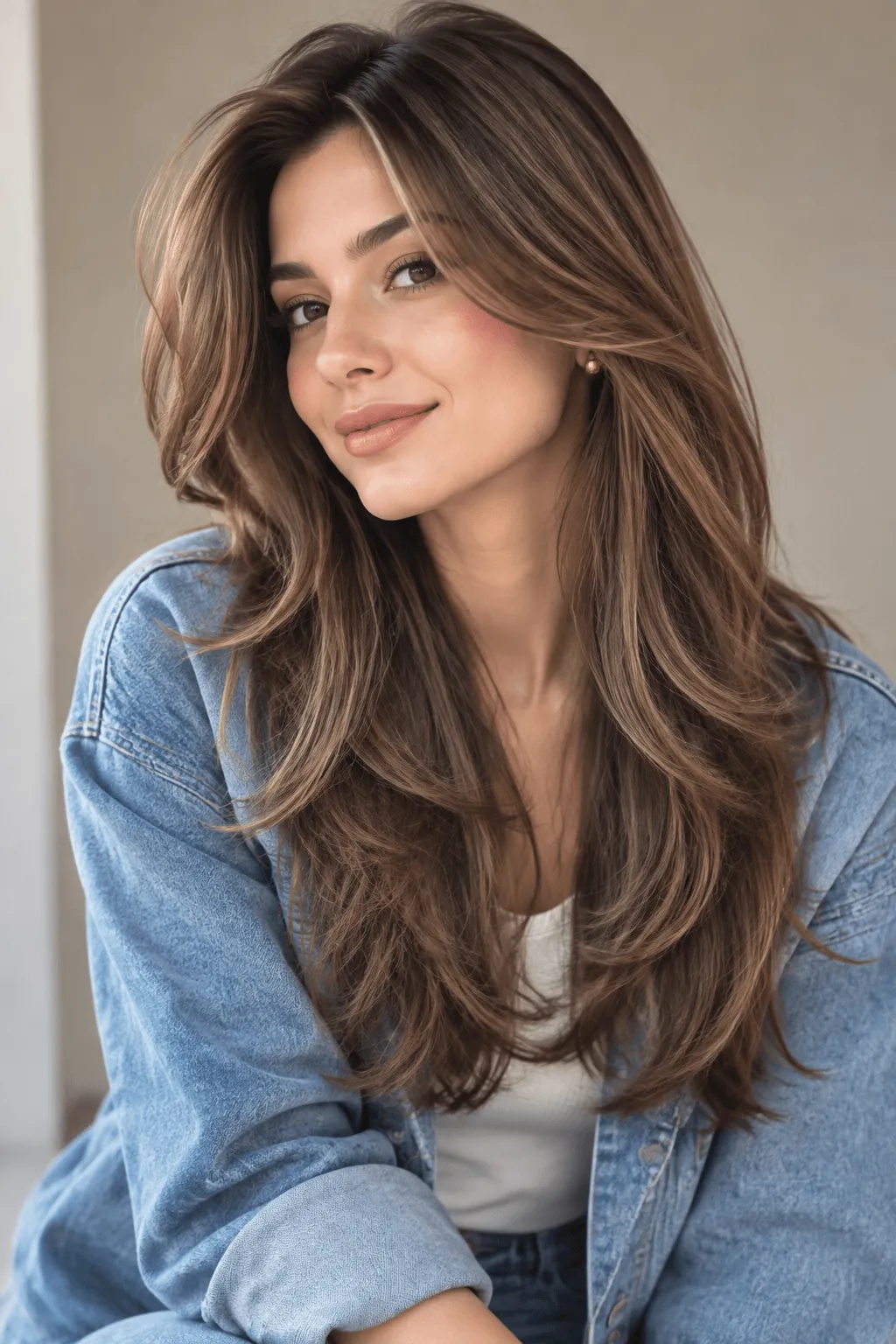
Small layers on the face help soften the features. They make the thin areas look fuller and more defined. The overall length of the hair stays the same.
Best For: Anyone who wants subtle change rather than a full new haircut.
11. Beachy Waves with Sea Salt Spray
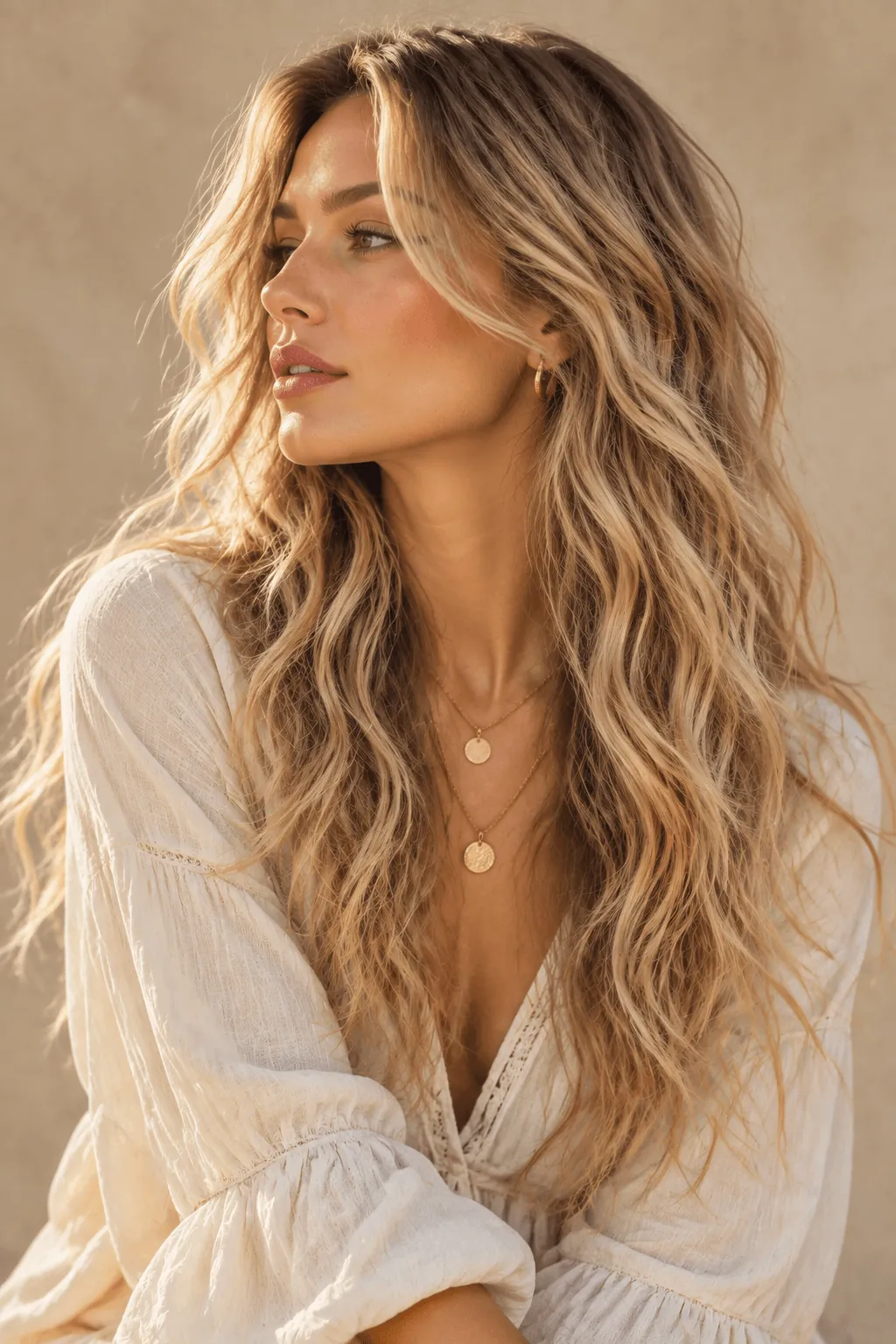
A light mist of sea salt spray, scrunching it up and letting it air-dry, creates texture from the roots all the way down. No heat styling is needed at all.
Good to Know: Apply at the roots specifically for the most volume, not just through the ends.
12. Deep Side Part with Volume Spray
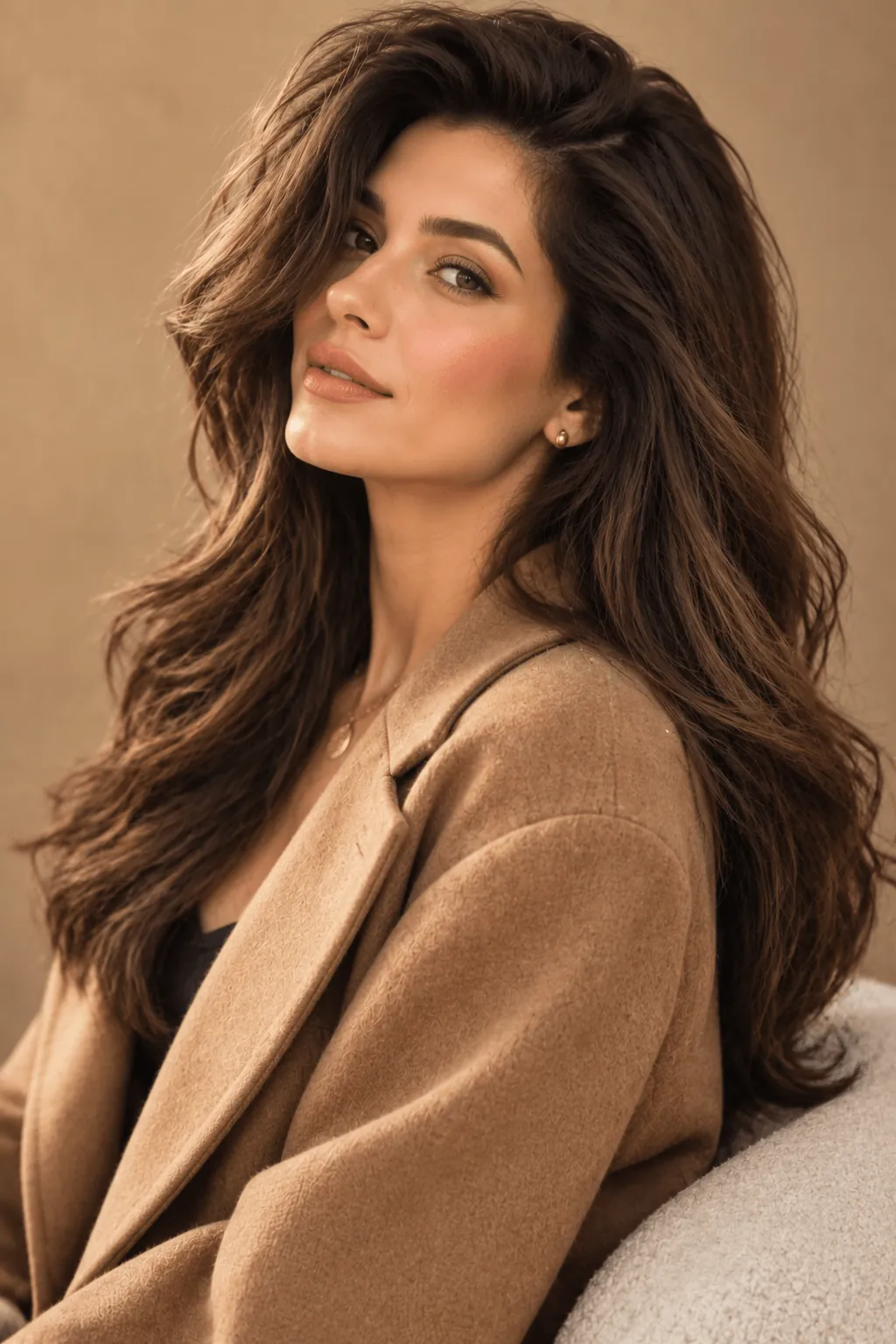
Combining a part with a root-lifting spray at the crown really makes the illusion of fullness look bigger.
Best For: A quick styling routine that still delivers noticeable lift.
13. Shag Haircut
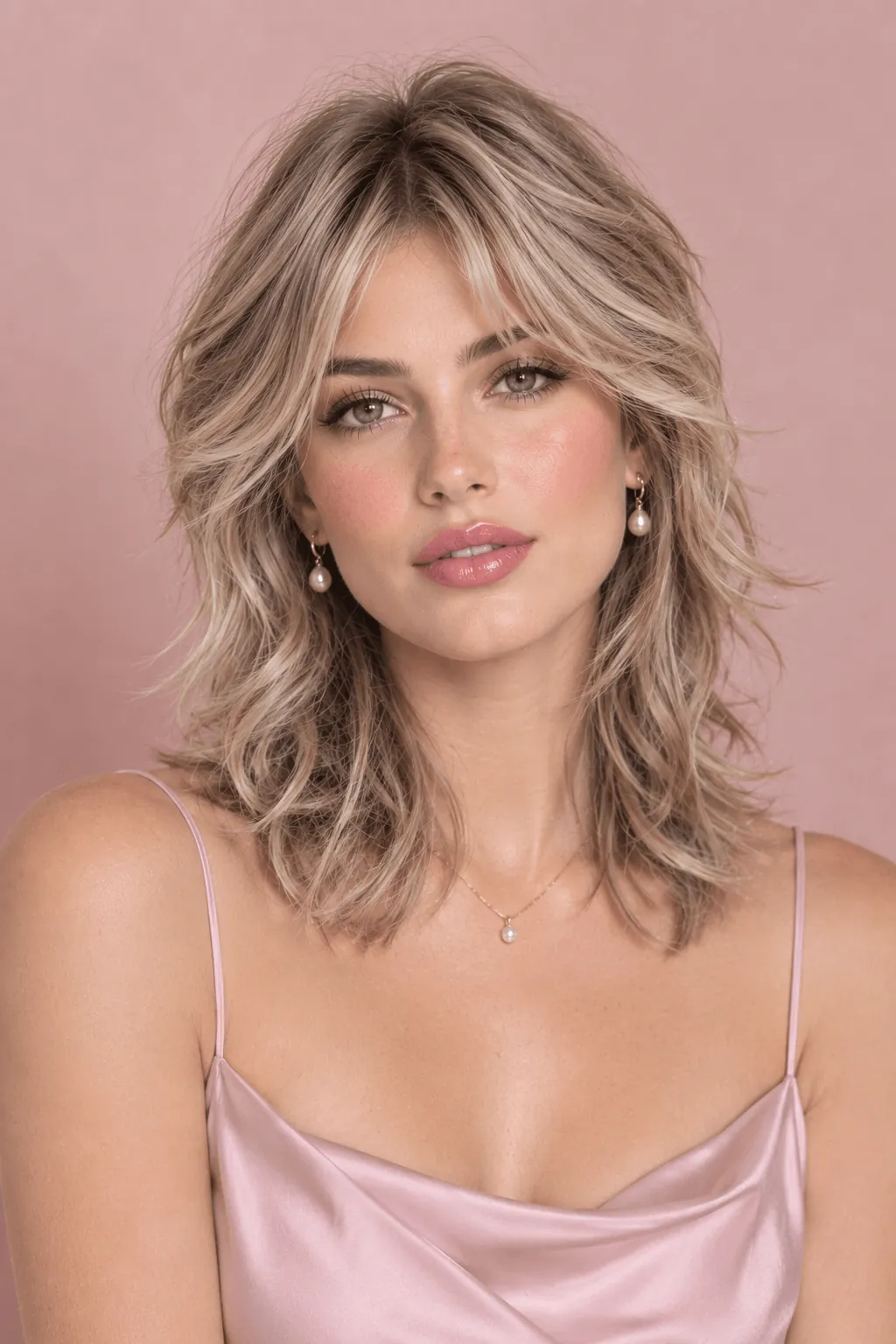
The choppy and pieced edges of a shag haircut will automatically lend themselves to a hairstyle that adds texture and motion.
Good to Know: Ask for a razor cut rather than scissors. The rougher finish adds more visible texture.
14. Low-Maintenance Waves
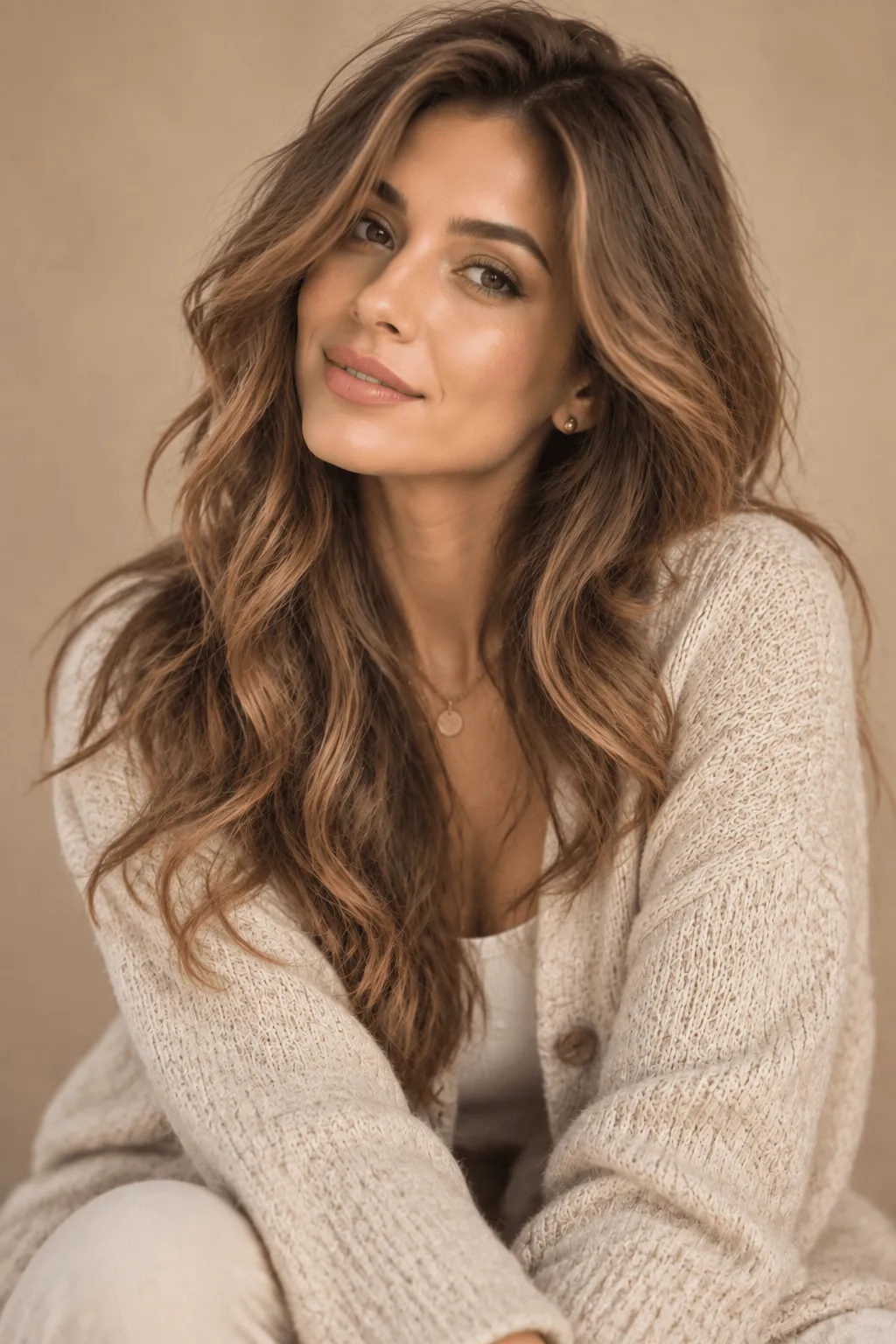
Loose, undone waves styled with just a bit of texturizing spray require minimal daily effort while still adding dimension that straight, flat hair doesn’t have.
Best For: Anyone who wants volume without a long morning routine.
15. Voluminous Blowout
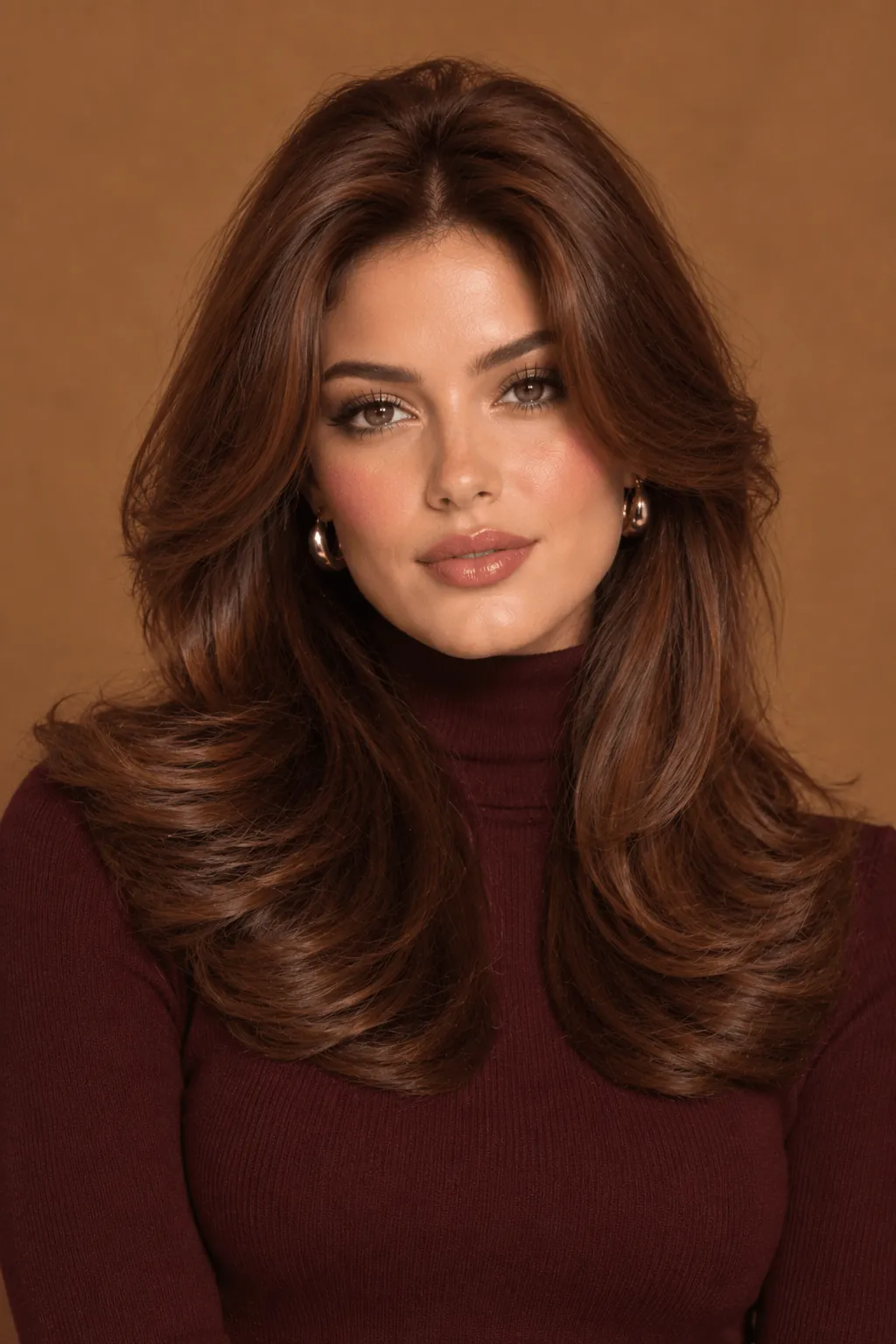
A round brush blowout focused on lifting the roots, working section by section from the crown, creates plenty of volume, but it takes the most time on this list.
Best For: Special occasions or days when you want maximum fullness.
Short Hairstyles for Thin Hair
Short cuts are often the easiest way to make thin or scanty hair look fuller, because there is less length pulling the hair flat. These short hairstyles for thin hair add the most body:
- Blunt chin-length bob: one sharp line at the ends makes the hair look thicker than layers would.
- Textured pixie: short, piece-y layers on top give lift right at the roots.
- Bob with curtain bangs: bangs hide a sparse hairline and add fullness around the face.
- Shaggy bob: soft, choppy layers create movement without thinning out the ends.
- Layered lob: a collarbone cut with long layers keeps length but stays light and bouncy.
- Side-part crop: a deep side part flips the hair over for instant volume.
Hairstyles for Scanty Hair
If your hair is scanty, meaning there are fewer strands overall, keep the ends blunt, avoid heavy thinning or razor cuts, and part your hair in a different spot each week so the roots do not flatten. Volumizing mousse at the roots and a quick blow-dry upside down help a lot. Not sure which cut suits you? Take our what hairstyle suits me quiz or check will short hair suit me.
Frequently Asked Questions
More hair guides you might like
 Hairstyles20 Holiday Hairstyles for Parties in 2026
 HairstylesBraided Ponytail: 20 Styles That Are Impossible to Scroll Past
 Hairstyles23 Halloween Hairstyles That Look Scary, Cute, and Creative for Every Costume
 HairstylesBox Braids Styles for Every Length, Size, and Occasion
 Hairstyles16 Easy Claw Clip Hairstyles You Can Create in Seconds
 Haircuts20 Hairstyles for Big Foreheads That Flatter Your Face
 Hair Color25 Trendy Hair Color Ideas for a Fresh New Look
 Hair ColorWhy Money Piece Hair Never Goes Out of Style
 Nail Colors/Trends14 Black Nail Polish Finishes to Try, From Glossy to Chrome
 Occasion OutfitsHalloween Ideas: Costumes, Spooky Nails & Hair Inspiration
- Free toolFace Shape CalculatorFour measurements tell you your face shape, then the cuts and bangs that suit it.Find my face shape
Final Thoughts
Thinness is not the issue, but rather poor styling is the cause. Proper layering eliminates bulk in the wrong places and adds bounce in the right places. The proper products provide volume and texture, rather than squashing it out even further.
Some of these styles are definitely worth trying to see what works for your particular natural fall. It may be just small alterations, changing how you part, using a root-lifting spray, or even just blowing your hair differently.
Keep reading: shag haircuts for built-in movement, the butterfly haircut for face-framing layers, and sleek ponytail styles for days you want it off your face.