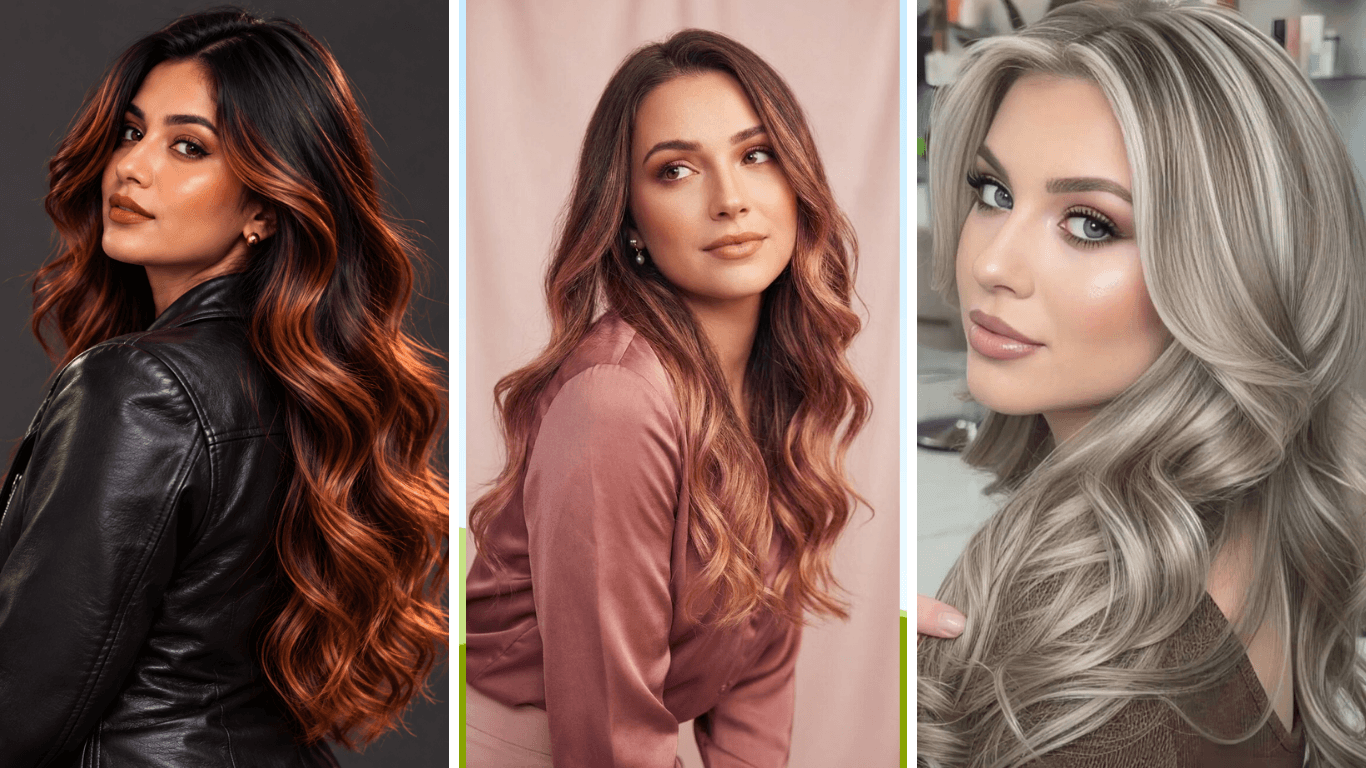
Balayage has stayed one of the most requested hair colors for a reason. Hand-painted, sun-kissed, and never quite the same twice, it works on nearly every hair color and length out there. Whether you want a subtle shift or a full transformation, there’s a balayage for it.
Here is a list of 20 balayage hair colors hairstyles that use balayage techniques, ranging from icy ash to copper shades, from total transformations to very subtle highlights on dark hair. Some are very daring, while some barely affect the hair’s color at all.
What Is Balayage?
Balayage is a hand-painted coloring technique in which color is applied freehand rather than through foils, creating a soft, natural gradient rather than solid stripes. The word comes from French and means “to sweep,” which describes exactly how the color gets brushed onto the hair.
Good to Know: The difference between balayage and highlights is that highlights use foiling to create uniform sections of hair color, whereas balayage uses freehand painting to achieve a natural, sun-kissed effect.
Find your balayage in 10 seconds
i Tap any category below to find your shade
1. Golden Honey Balayage
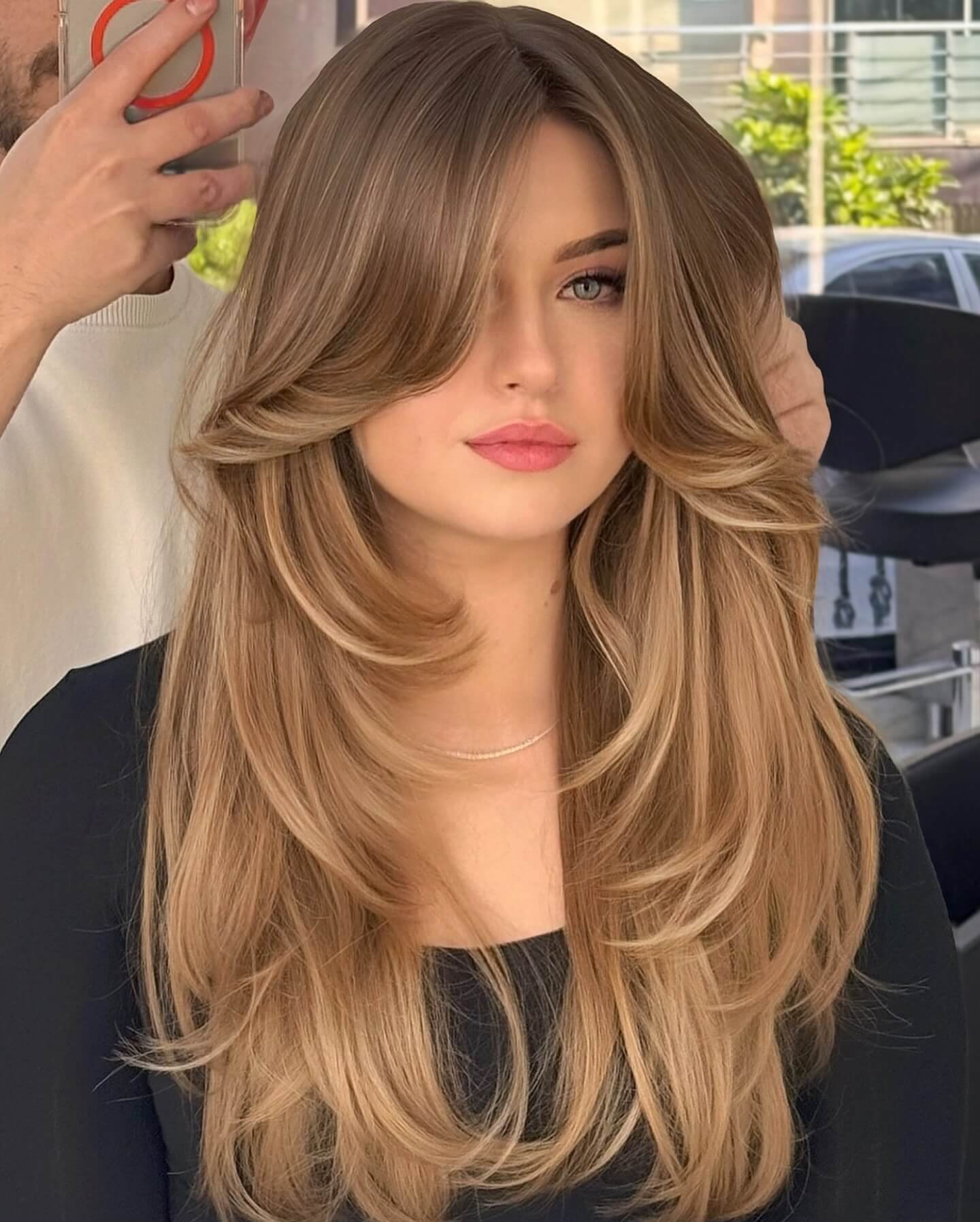
The warmth of honey and caramel hues moves from root to tip, getting lighter as it goes. There are no cool tones to this balayage, just warmth, gold, honey, and light caramel. Nothing too neutral, nothing ash. Lighter color is carried by the face-framing pieces at the front.
Good to Know: Warm balayage tends to hold its color longer than ash tones because there’s no cool pigment to fade. A color-safe shampoo still helps keep the shine from dulling over time.
2. Ash Brown Balayage
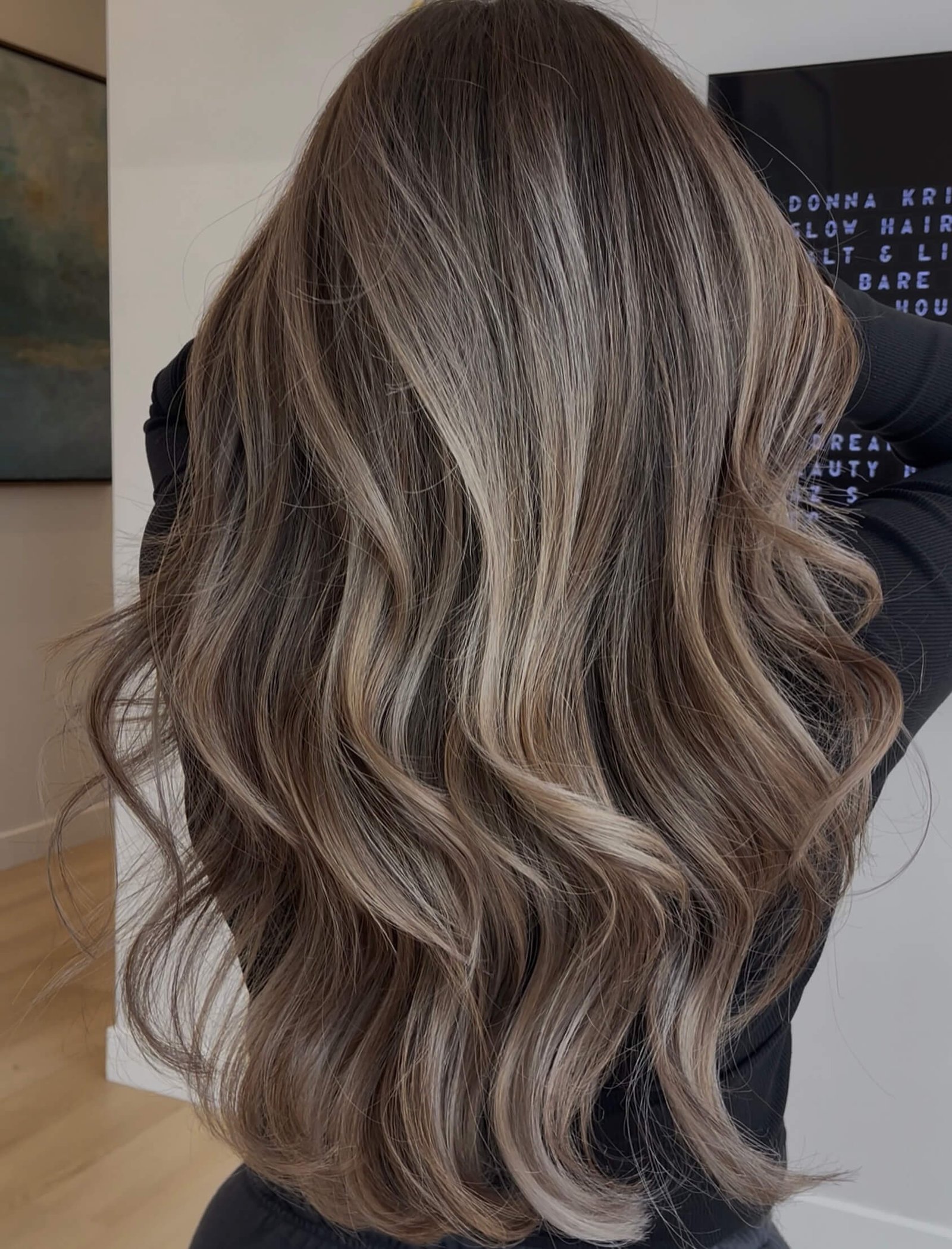
The roots stay dark while cool ash-brown highlights run through the middle and ends of the hair. There are no warm or golden shades in this look. The color has a soft, smoky finish from the roots down. Loose waves make the different sections stand out, so the highlights don’t blend into one flat shade.
Good to Know: Ash hair tends to gradually become warmer in tone, particularly when exposed to hard water or heated styling.
Avoid: Regular shampoo with no purple or blue pigment. Skip that long enough, and the ash fades into something brassy and yellow instead of staying cool.
3. Full Blonde Balayage Hair
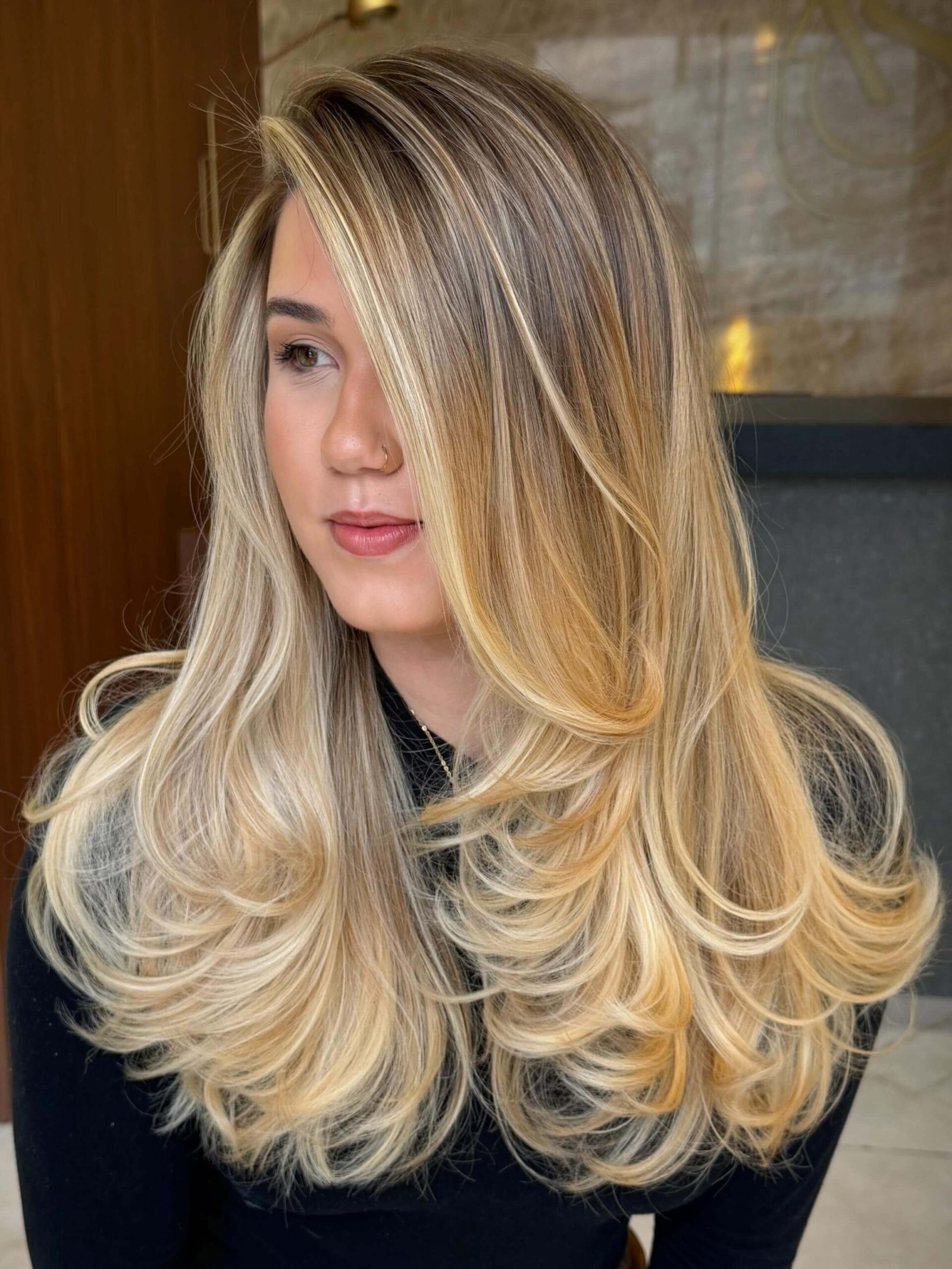
All of the hair is lighter in color overall rather than only being light at the tips, with a dark, soft base transitioning to buttery blonde. Highlights on the forehead are even lighter than the other parts.
Best For: Anyone who wants a fully blonde look without the harsh, flat color of an all-over bleach job.
Good to Know: A full blonde balayage requires more salon upkeep than a brunette base, since the whole head is processed rather than just sections. Toning appointments every six to eight weeks keep it from turning brassy.
4. Black to Blonde Balayage
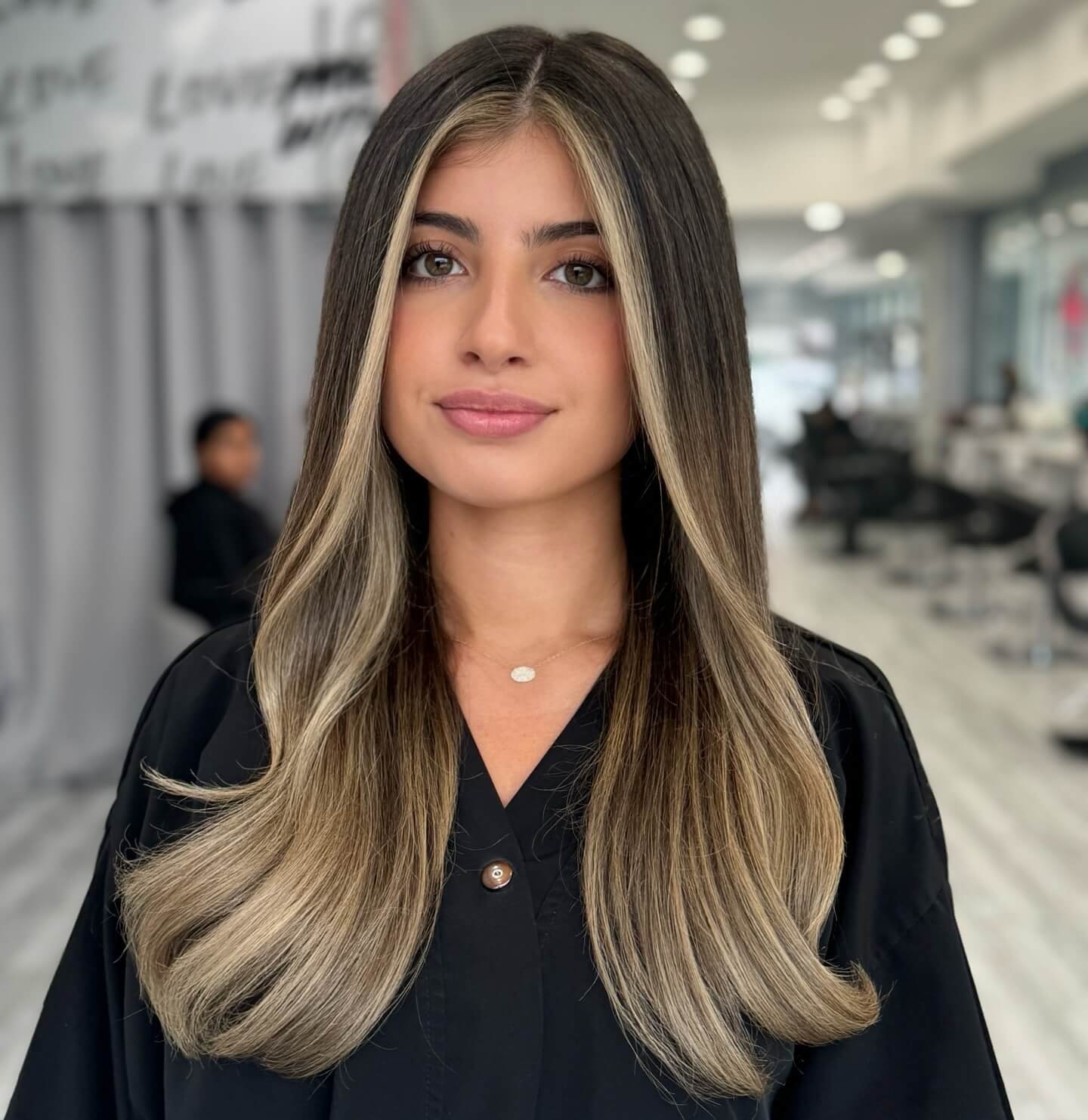
Black roots almost blend immediately into blonde without that gradual warm brown transition to make it any less drastic. The sudden and harsh contrast of colors really brings out the intensity of the look when paired with dark hair.
Best For: Naturally dark or black hair that wants a high-contrast look without lightening the whole head.
Good to Know: This much contrast needs careful blending right where the two colors meet. Ask your colorist to soften that line with a few babylights so it doesn’t look like a sharp stripe.
5. Icy Silver Balayage
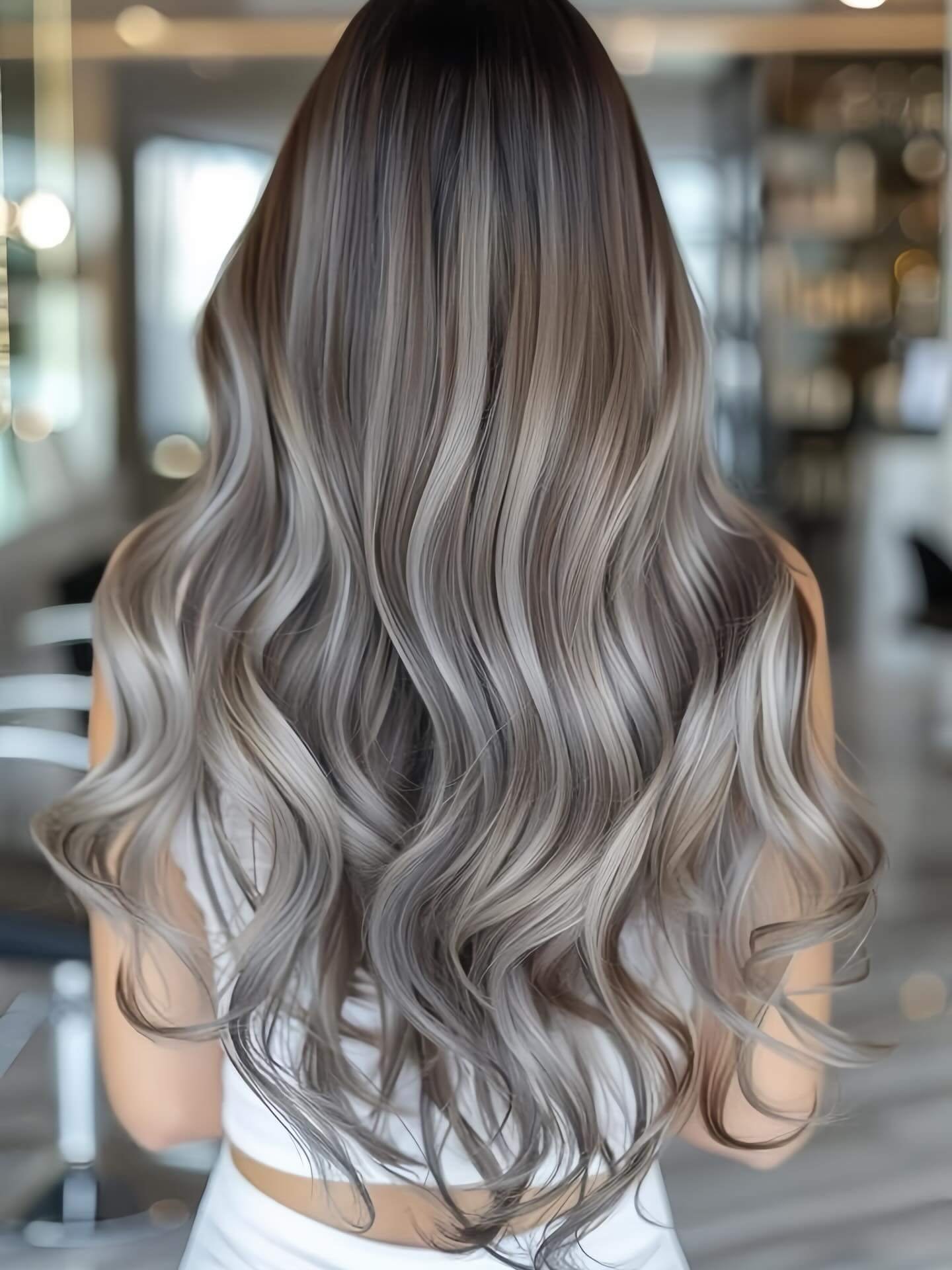
A dark root gives way almost immediately to a full head of silvery, icy tones, much lighter and cooler than a standard ash balayage. Barely any brown shows through once the color sets, giving the whole length a soft, metallic shine.
Good to Know: This level of lightness usually needs multiple sessions to reach safely without heavy damage. Rushing it in one sitting puts a lot of stress on the hair.
Avoid: Skipping a bond-building treatment during the lightening process. Going this light without one often leaves the hair feeling straw-like by the time the color is finished.
6. Beige Blonde Balayage with Face-Framing
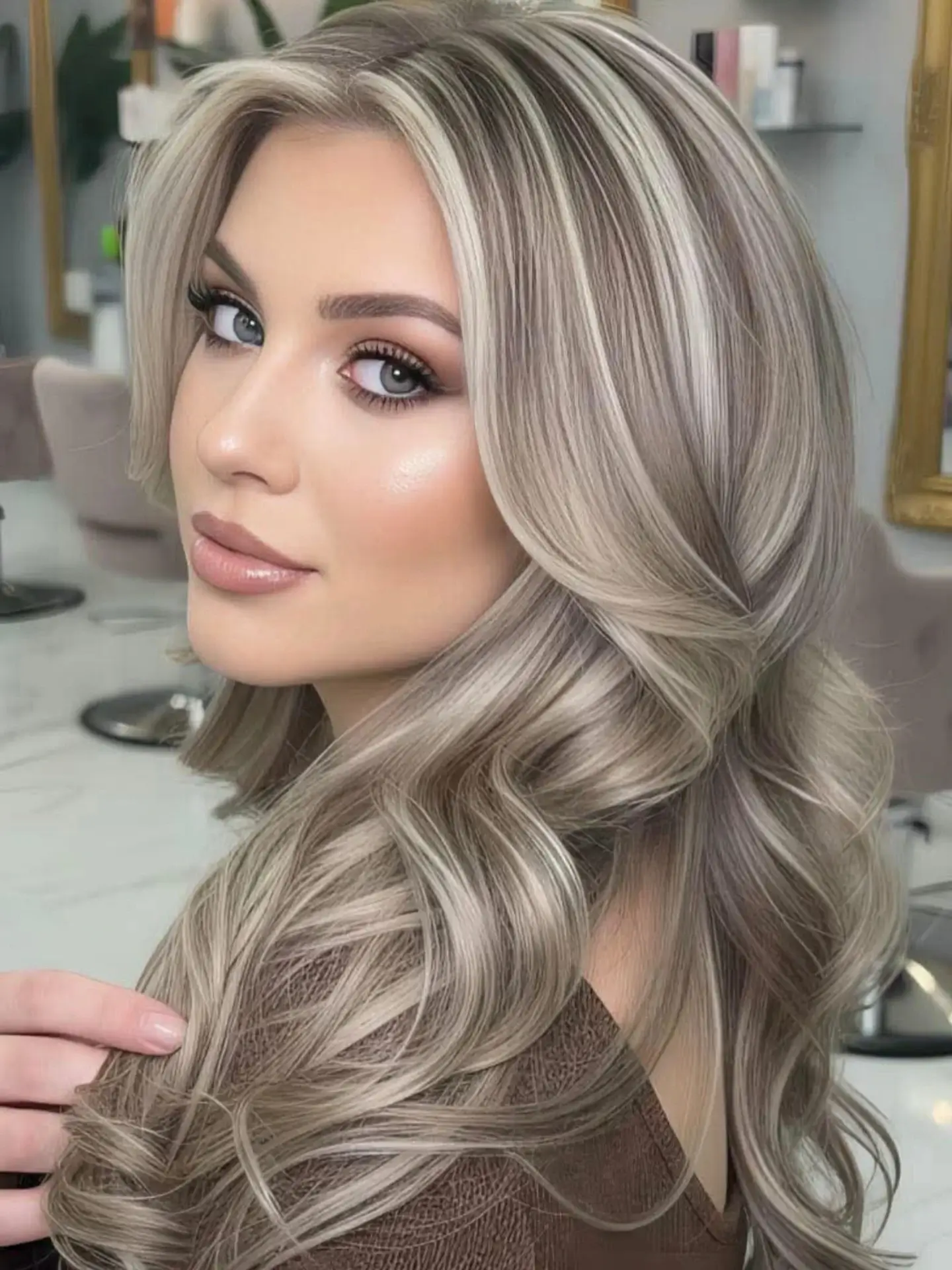
A soft root shadow blends into an all-over beige blonde, neither warm gold nor cool silver, sitting right in the neutral middle. Thick, chunky pieces specifically frame the face, standing out brighter than the rest of the blend behind them.
Good to Know: Neutral beige tones are among the hardest to maintain, as they can shift toward warm or cool depending on your water and products. A purple-blue toning shampoo used sparingly helps keep it balanced in the middle.
7. Copper Auburn Balayage
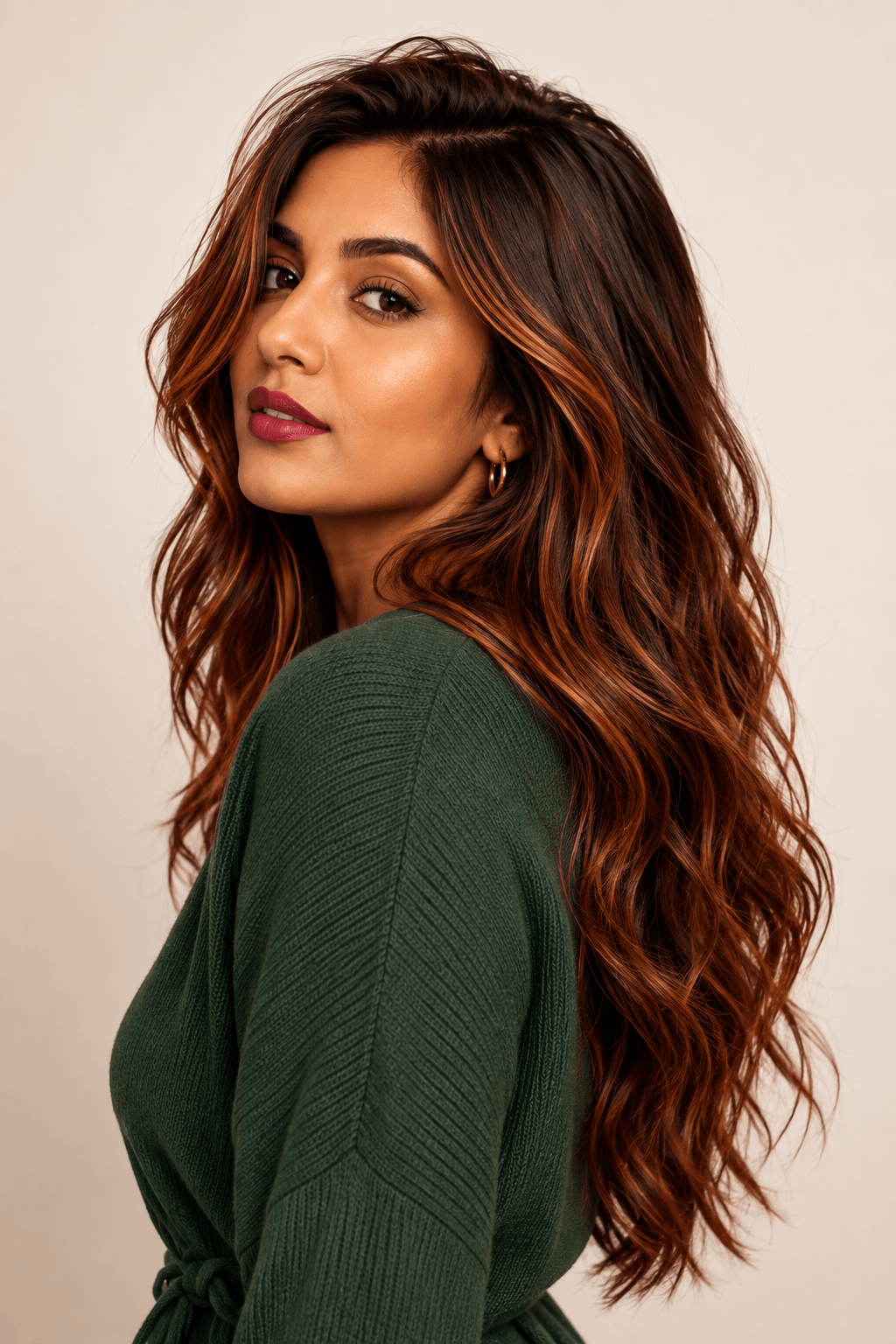
The deep reddish-brown hair gets some copper highlights woven through it instead of loud streaks. It maintains a single hue throughout, i.e., brown and copper only, so as not to make the effect too contrasting.
Good to Know: Copper fades faster than most other balayage tones. A color-depositing conditioner every couple of weeks helps keep the red from turning dull and brown too quickly.
8. Black to Copper Balayage
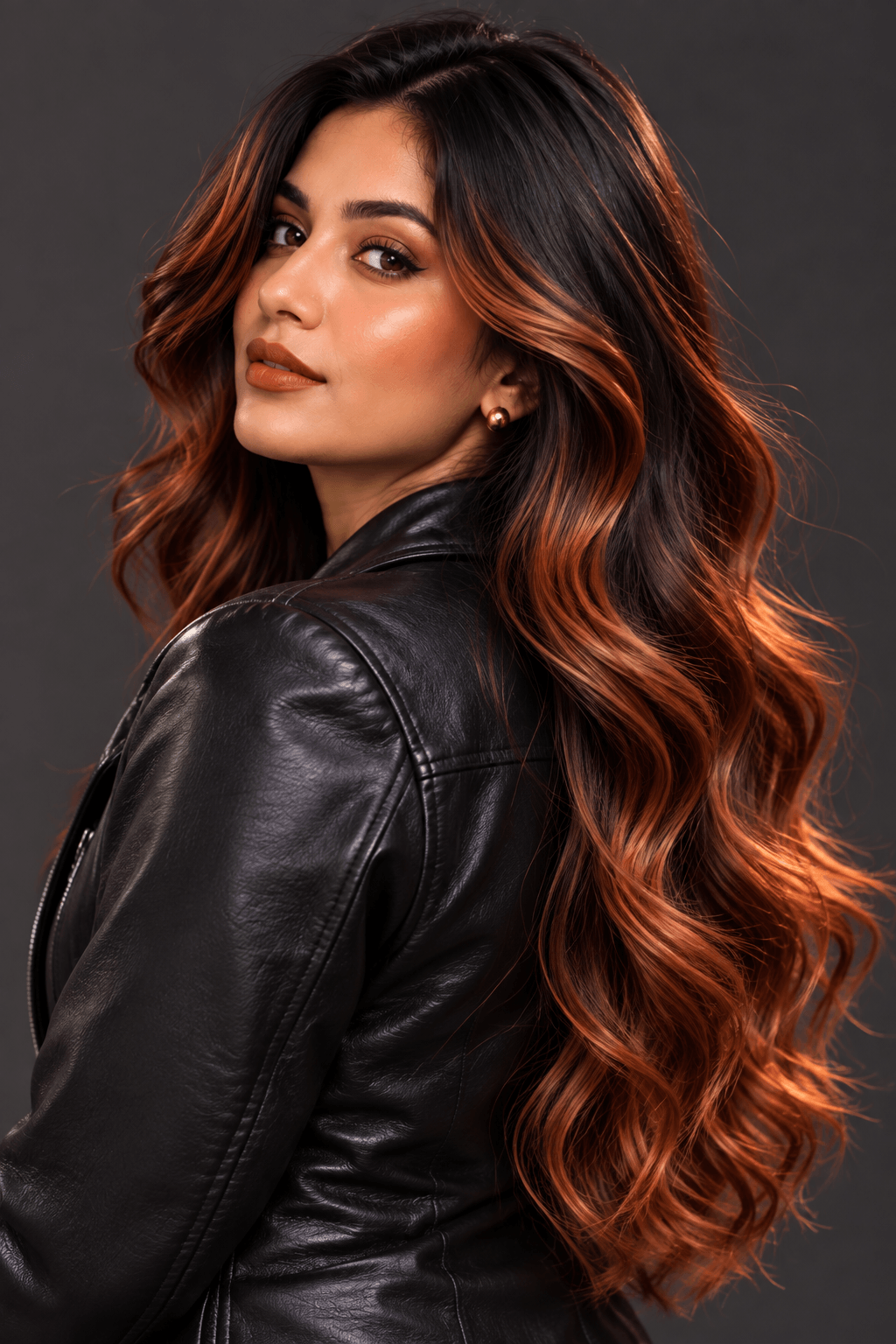
Deep black roots melt into warm copper and auburn tones as the length goes on, staying warm the whole way through instead of jumping to blonde. Since copper sits so close to black on the color wheel, the contrast ends up softer than a black-to-blonde version would give you.
Best For: Naturally black or very dark hair that wants some warmth without going all the way to blonde.
9. Sandy Blonde Balayage
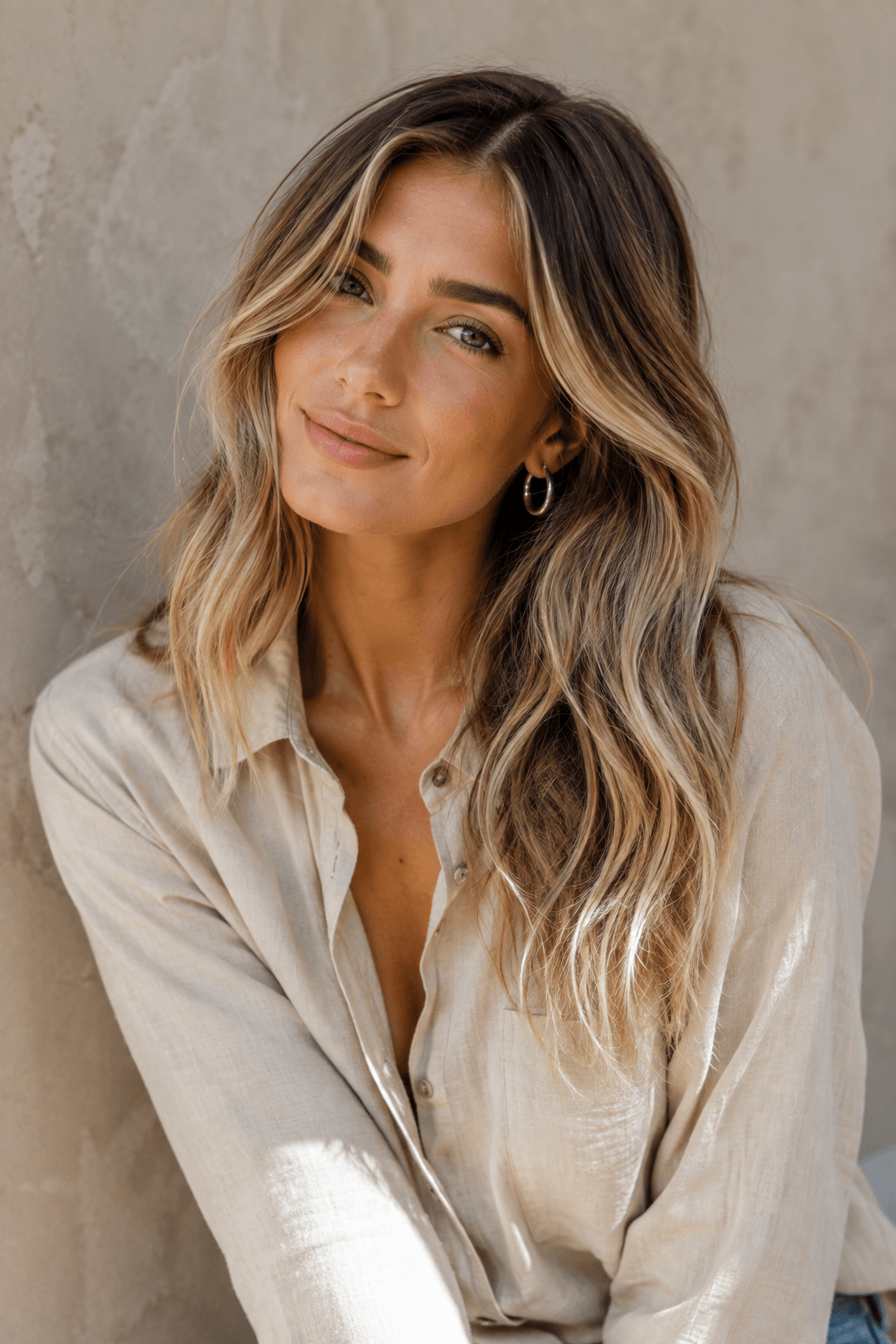
A soft, sandy blonde replaces the usual warm gold or cool ash tones, sitting somewhere in between, neither too bright nor too muted. It reads natural and beachy, closer to hair that’s been lightened by the sun than by a salon chair.
Good to Know: Sandy blonde tends to hold its color well since it doesn’t lean hard into either warm or cool. A basic color-safe shampoo works fine without needing a purple or blue toner in regular rotation.
10. Full Balayage
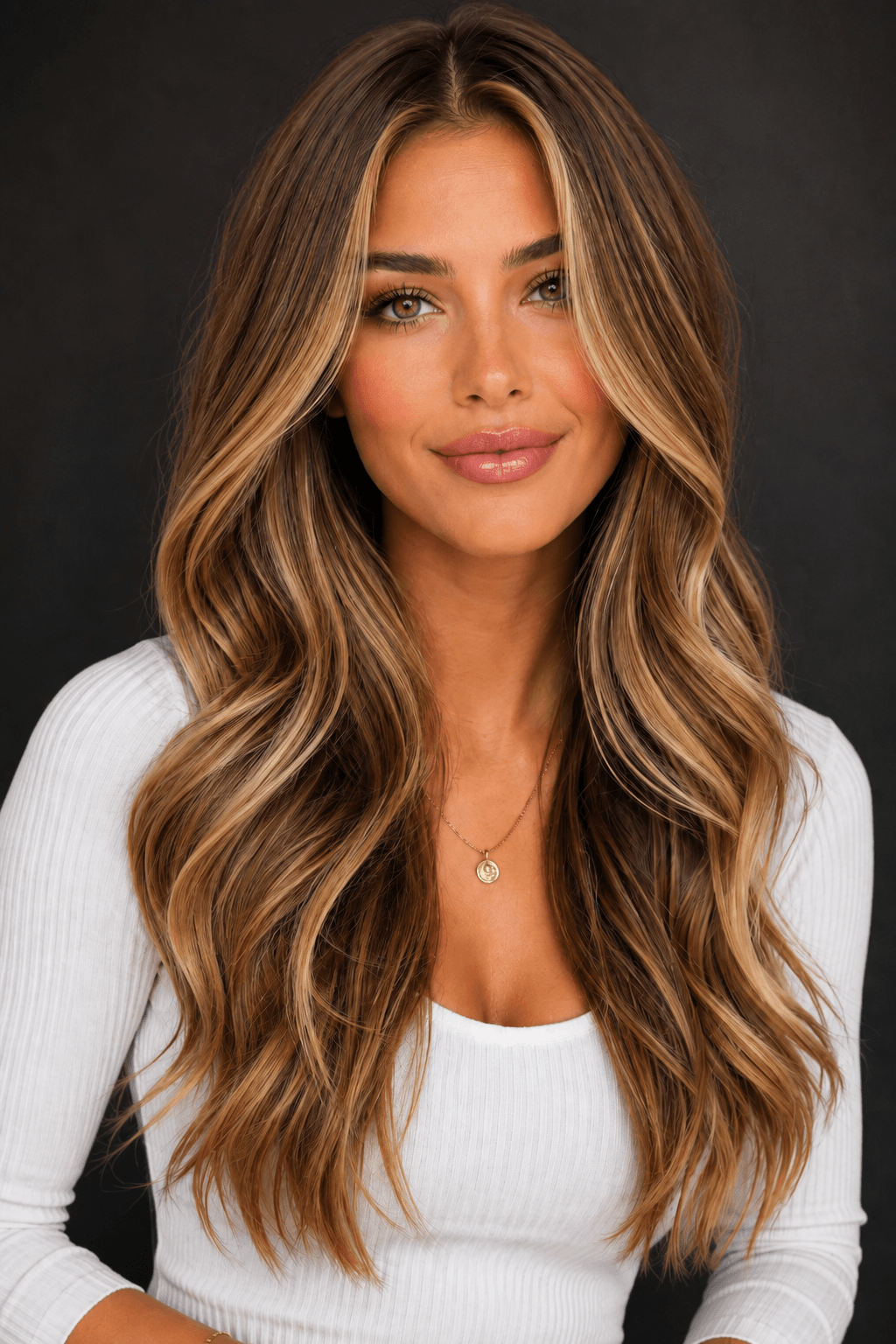
Instead of focusing on just a few face-framing pieces, full balayage covers the entire head with hand-painted color from root to tip. It takes longer in the chair but gives a much more complete transformation than a partial version.
Best For: Anyone who wants a noticeable, all-over color change rather than subtle dimension in just a few spots.
11. Balayage on Gray Hair
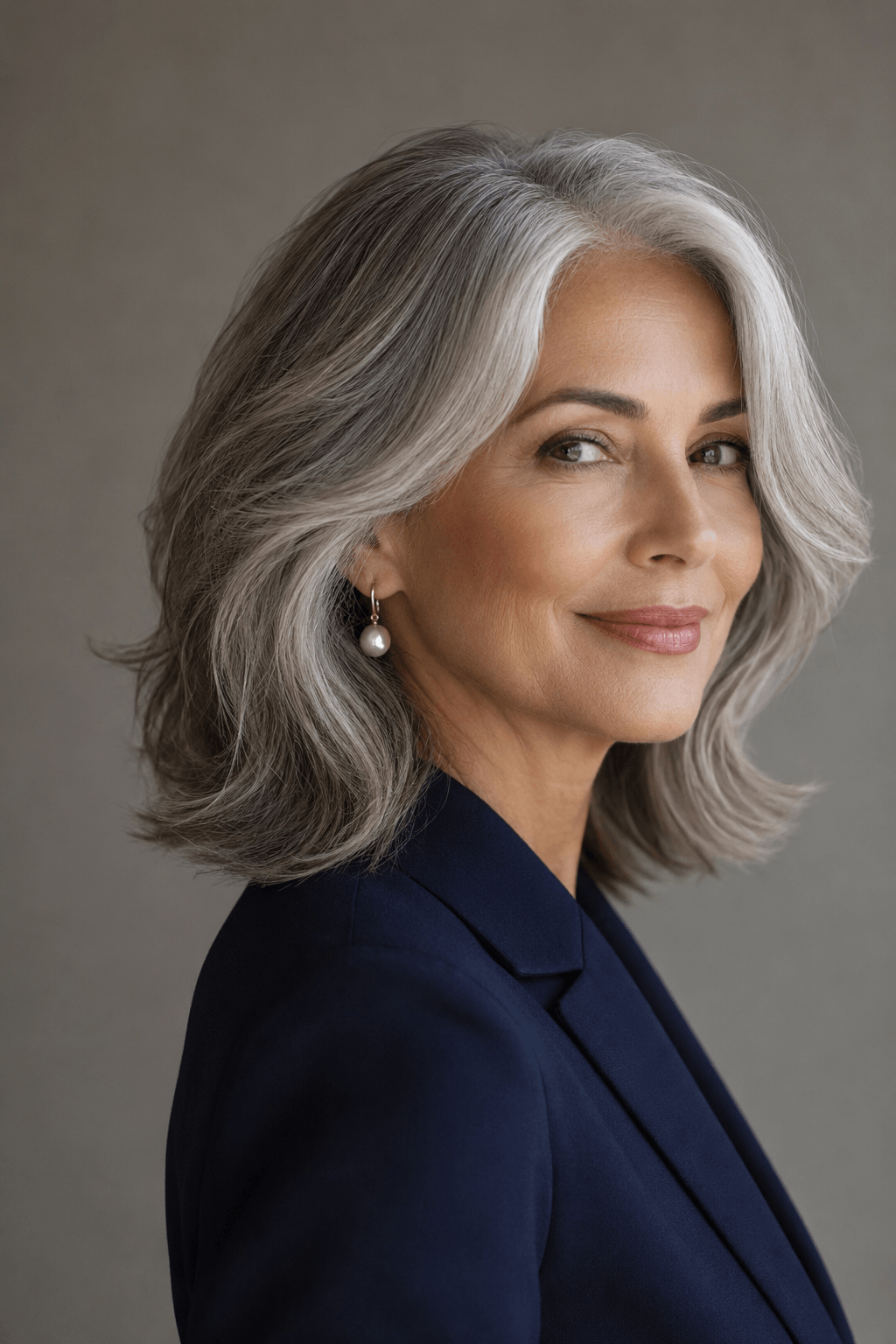
Not everything is covered here. In this technique, gray is incorporated directly into the highlighted sections without hiding it beneath the highlight, thus becoming a part of the design itself. The border between regrowth and color? It’s almost invisible now.
Good to Know: Strangely, this style gets easier to keep up as more gray shows up. The natural color starts doing part of the highlighting job for you.
12. Strawberry Blonde Balayage
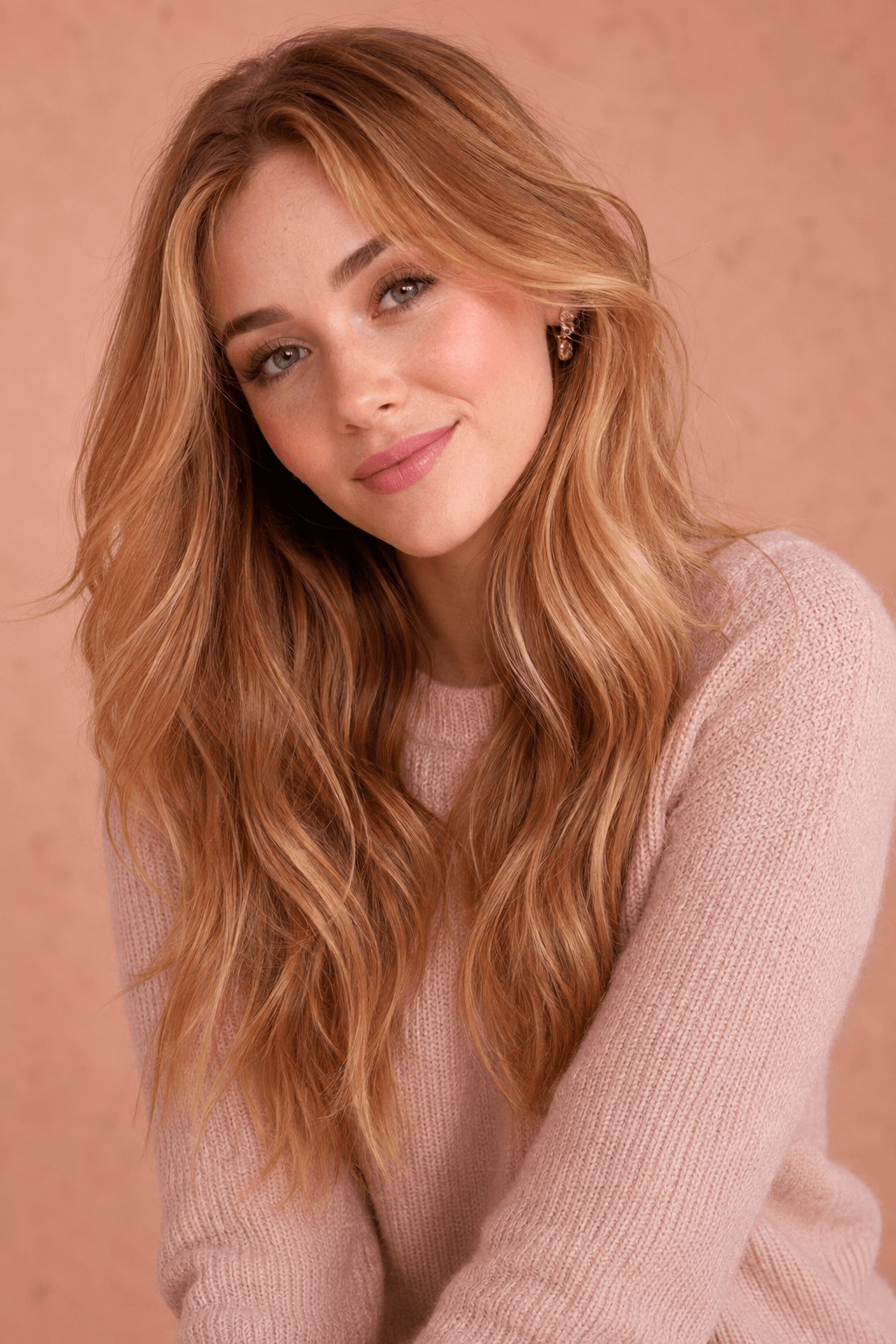
A warm reddish-blonde tone gets painted through the mid-lengths and ends, landing somewhere between a true blonde and a light copper. The pink-gold undertone gives it a softer, warmer look than a standard blonde balayage.
Best For: Suitable for fair to medium skin with a warm to neutral undertone because the pink-gold color can look washed out on cooler skin types.
13. Balayage for Short Hair
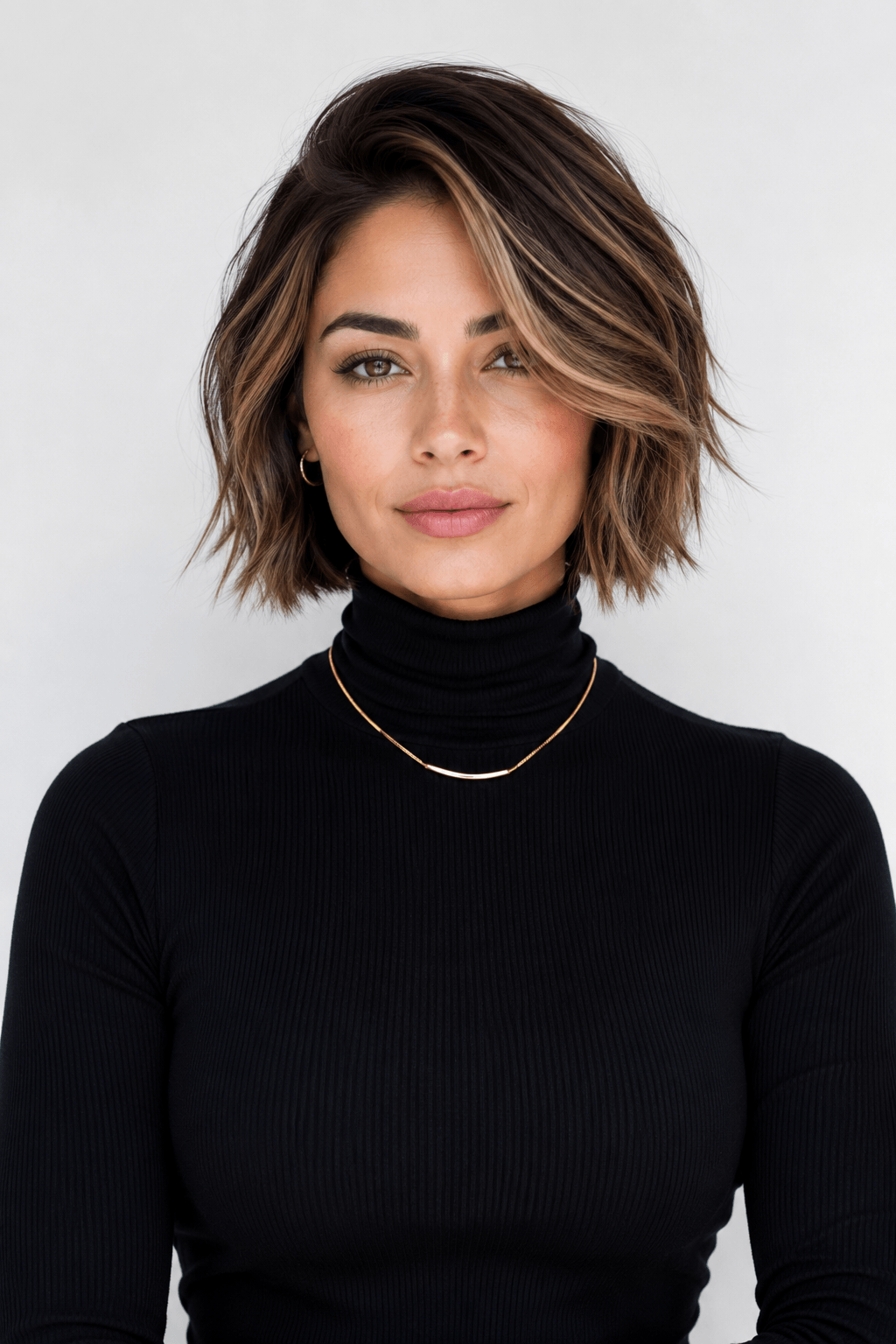
With less length to work with, the color is concentrated closer to the face rather than stretching down through long layers. The result shows up faster since there’s less hair for the eye to travel through before reaching the lighter pieces.
Quick Tip: Ask for slightly more contrast than you would on long hair. Subtle color can get lost on shorter cuts where there’s less length for a gradual blend to unfold.
14. Root Smudge Balayage
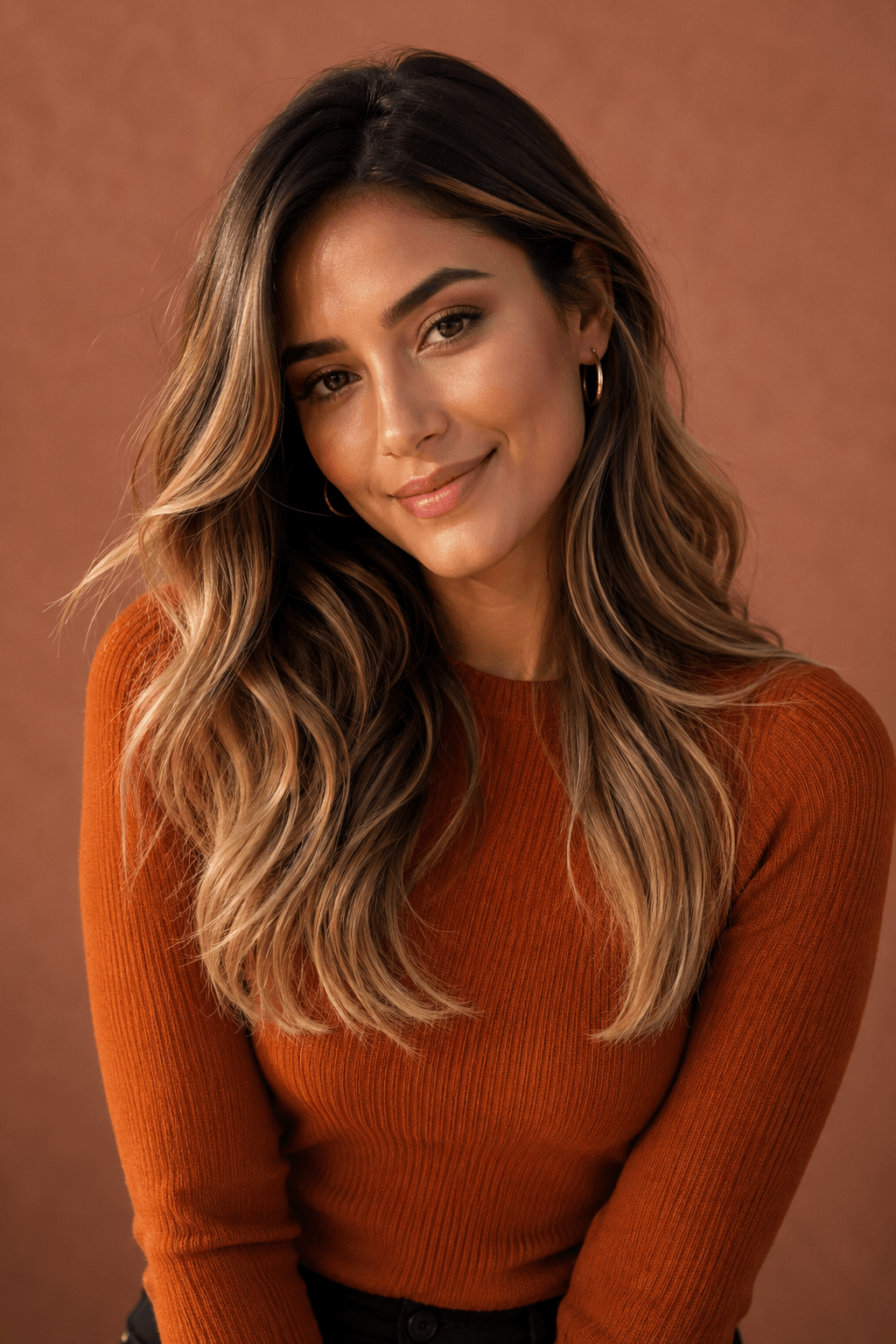
Instead of a hard line where color starts, this technique blends a soft, smudged shadow right at the root before the lighter balayage takes over. It fades gently rather than stopping abruptly, so regrowth blends in for weeks longer than a typical balayage line.
Good to Know: This technique works especially well for anyone stretching out salon visits, since the soft root smudge hides new growth far better than a sharp balayage starting point.
15. Balayage with Lowlights
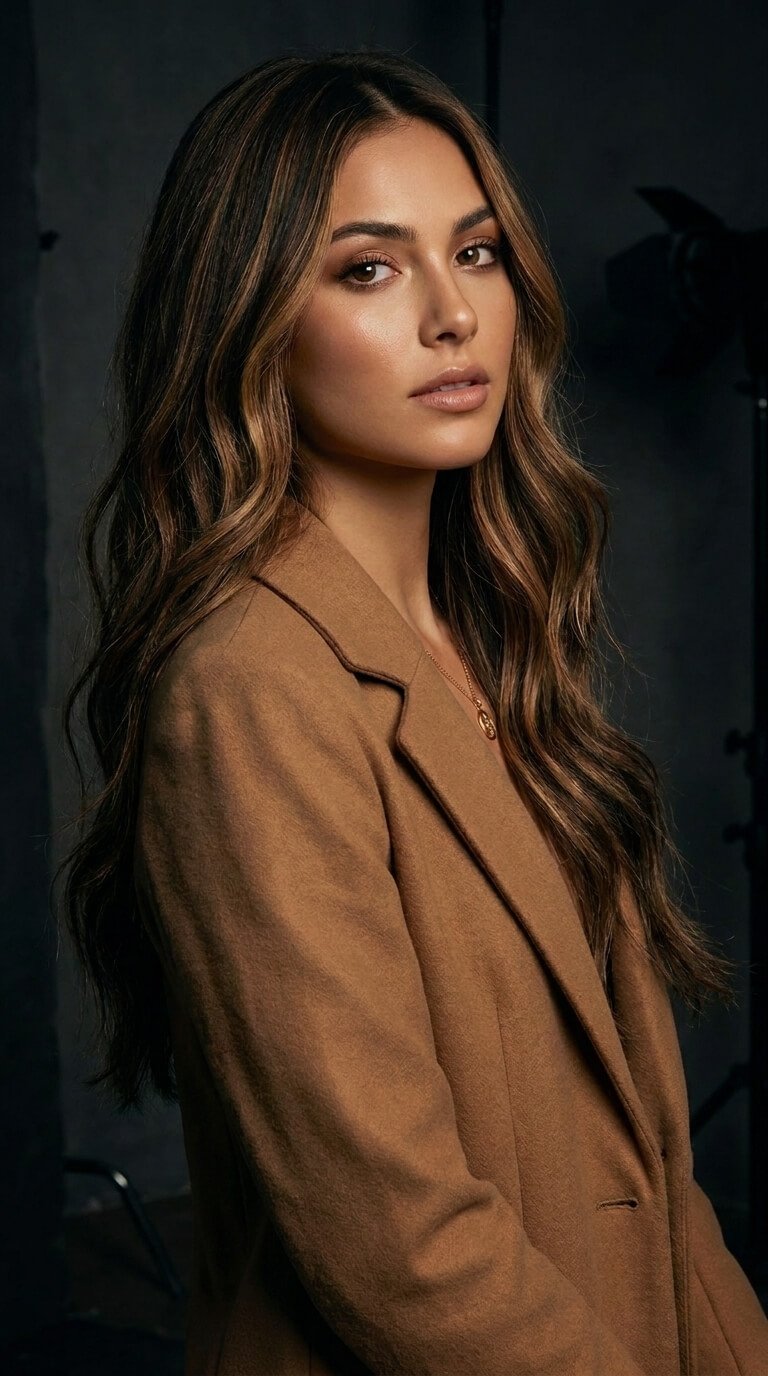
Instead of adding only lighter pieces, darker lowlights are woven in alongside the highlights, creating depth in both directions rather than just brightness. The mix of light and dark makes the color look more three-dimensional overall.
Best For: Anyone whose balayage started looking flat or one-note after growing out, since lowlights bring back some of the original depth.
16. Rose Gold Balayage
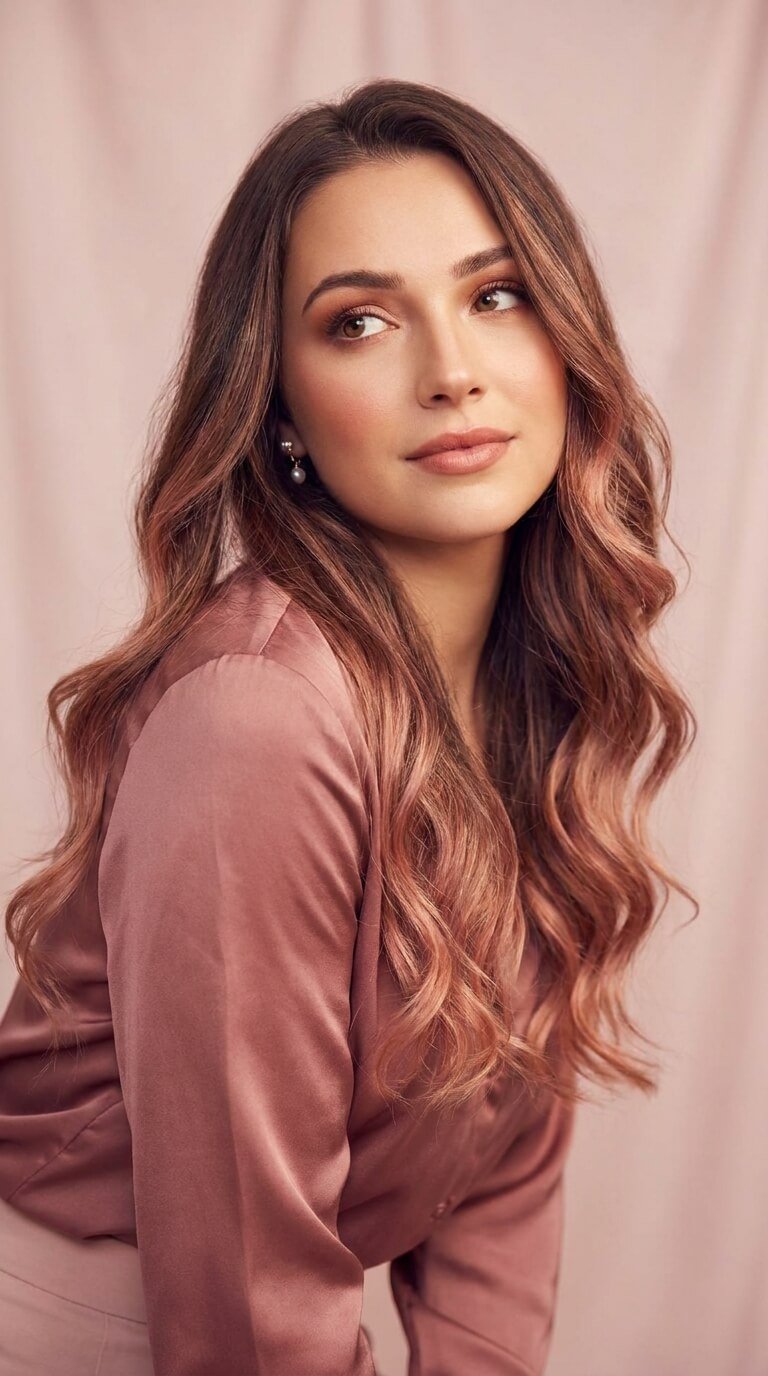
A soft pink-toned blonde gets painted through the ends, giving the hair a subtle rosy shimmer rather than a bold, obvious pink. It sits closer to a blonde balayage with a tint than a full fantasy color.
Good to Know: Rose gold fades toward a soft champagne shade rather than looking brassy, which makes the grow-out phase less noticeable than with other tones.
17. Chocolate Balayage
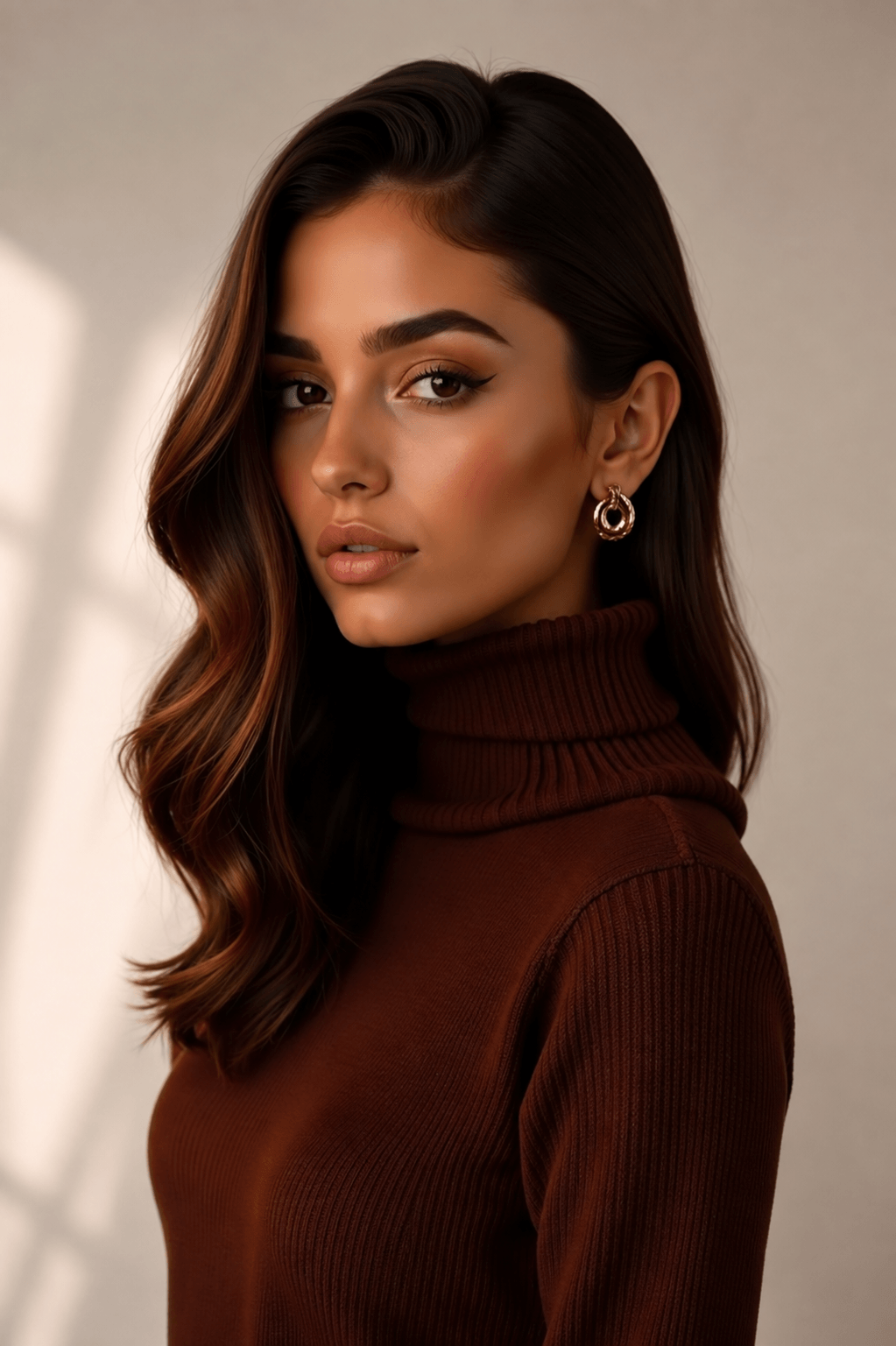
Warm brown colors are added to the dark chocolate-colored hair, with no blonde whatsoever here. This is balayage designed specially for brunettes only, with no lightening whatsoever done to the hair at all.
Best For: Brunettes who wish to add some dimension to their coloring without making it lighter or blonde.
18. Balayage Ombre
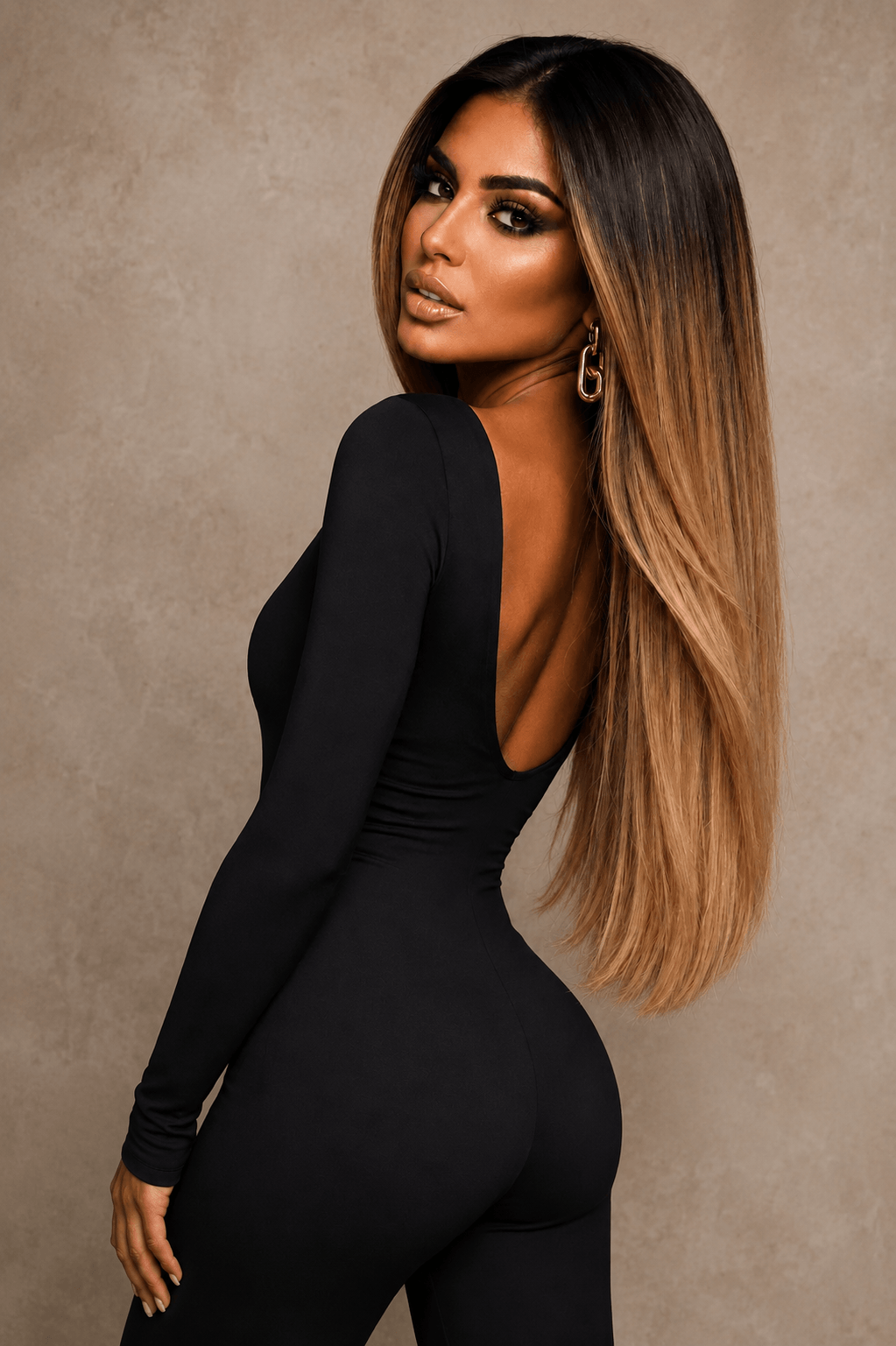
Color starts dark near the roots, then deepens into a more dramatic, solid block toward the ends, part balayage’s soft technique, part ombre’s bolder shift. The line between the two still stays soft, just more defined than a typical balayage fade would be.
Good to Know: This one needs more upkeep at the ends than standard balayage. That concentrated color down there fades faster than the blended sections up top.
19. Caramel Balayage on Dark Hair
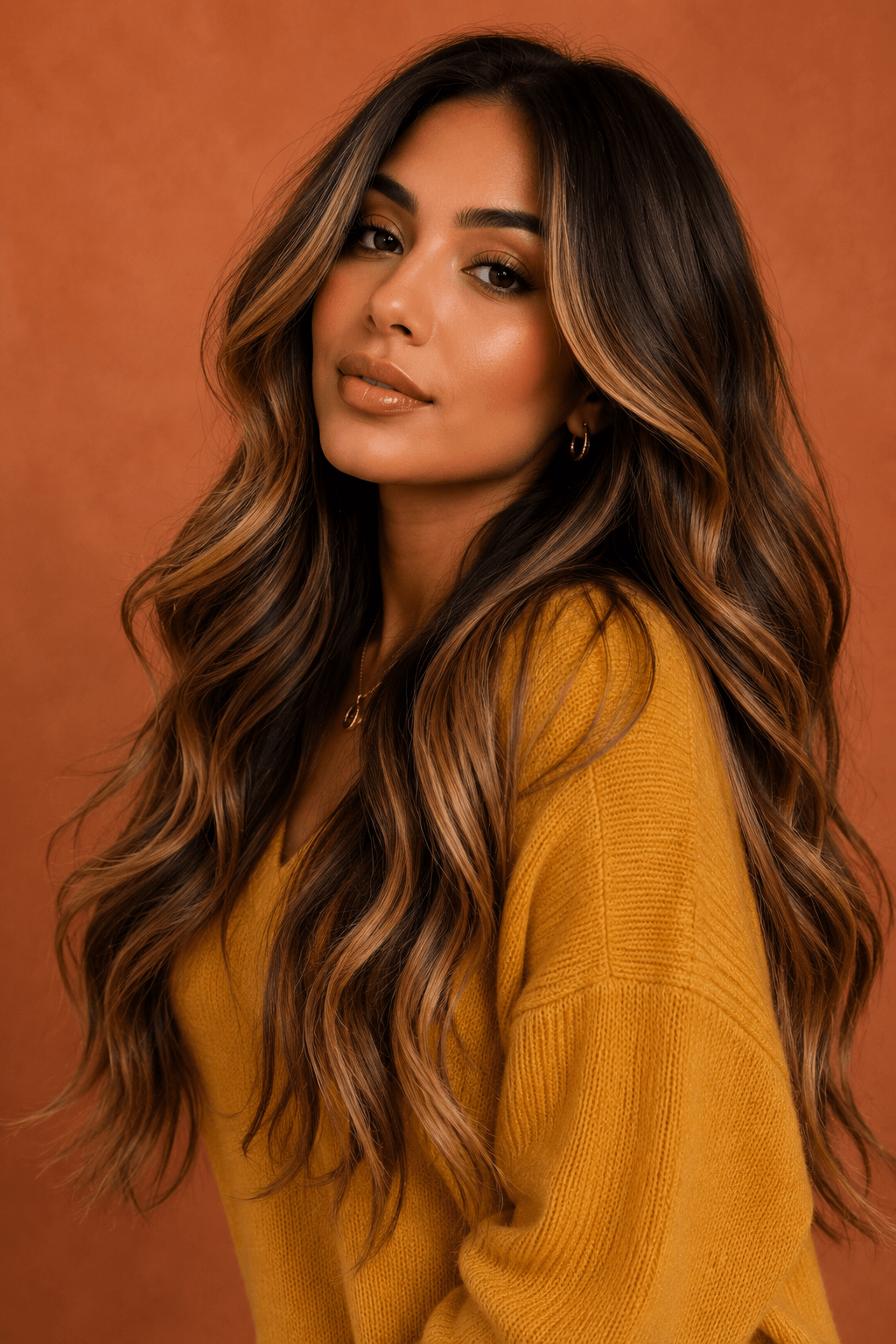
Warm caramel tones are painted over a dark brown base, staying close enough to the natural color that the highlights look like they could occur in sunlight. It’s one of the more low-maintenance balayage options since the base color stays close to natural growth.
Best For: Dark brunettes who want warmth and dimension without a big commitment to lightening or frequent touch-ups.
20. Champagne Blonde Balayage
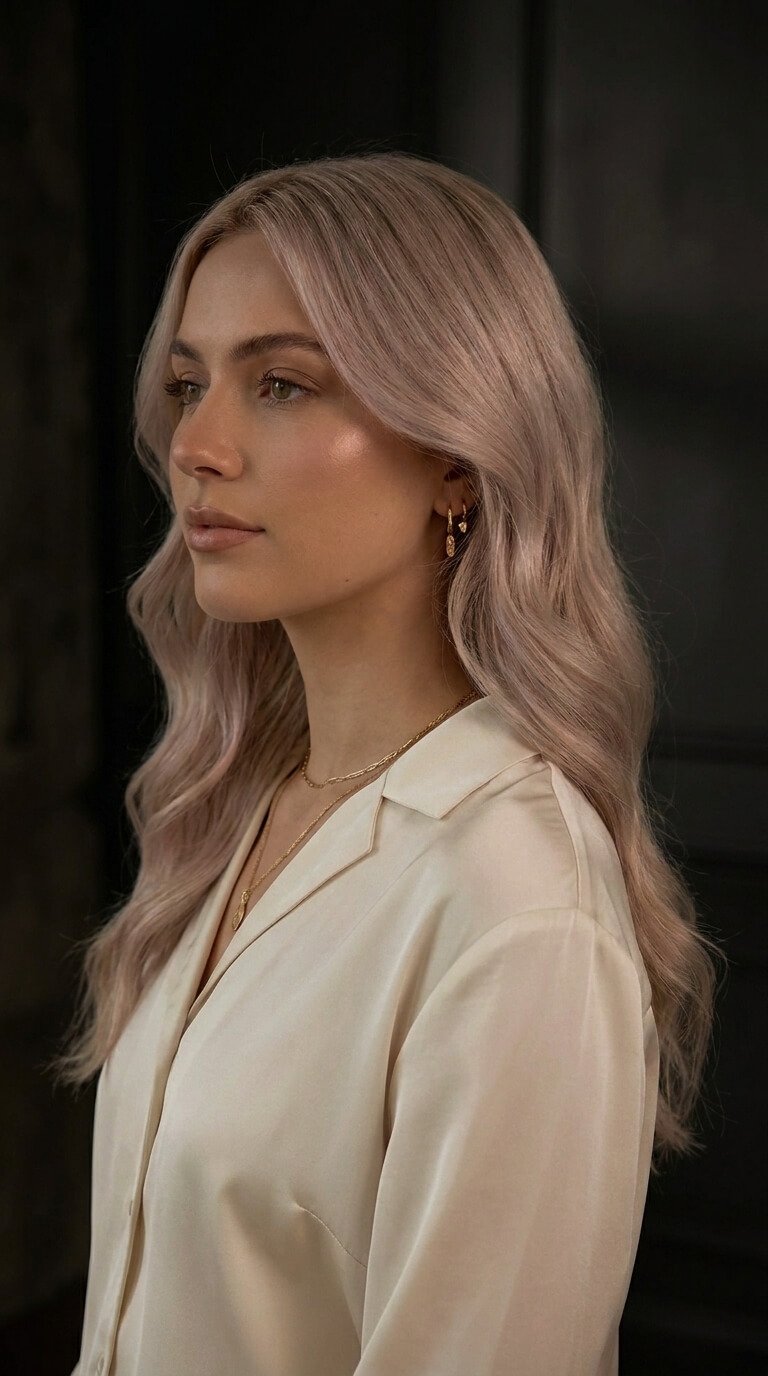
A pale, warm neutral blonde replaces the usual bright yellow gold or icy-white tones, sitting somewhere soft and champagne colored in between.It’ss lighter than sandy blonde but not as stark as a platinum finish, giving off a quiet, expensive-looking shine instead of anything too bold.
Good to Know: Champagne tones can pick up warmth fast if left untreated for too long. A cool-toned purple shampoo every other wash keeps it from drifting toward a plain golden-blonde.
Conclusion
Picking one out of twenty shades usually comes down to two questions. How much contrast do you actually want, and are you drawn to warm tones or cool ones? Caramel painted onto dark hair barely registers as a change. A full head of icy blonde is the opposite, impossible to miss.
Bring a few reference pictures along to the salon with you. Discuss your natural base color first of all. This discussion, rather than the reference pictures, will determine how closely the result matches your initial expectations.
1 thought on “20 Balayage Hair Colors That Never Go Out of Style”